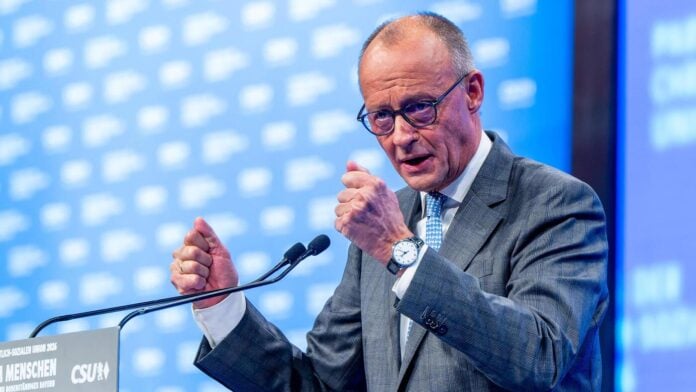

YEREVAN — The ballot was cast. The message was measured. Standing outside a polling station in Yerevan on Sunday morning, Armenian Prime Minister Nikol Pashinyan said something that sounded, in isolation, almost anodyne: that the ties between Armenia and Russia have institutional depth and are built on mutual respect. In the context of what surrounds him on election day — a fractured opposition, an empty Russian ambassador’s chair in Yerevan, and the most geopolitically loaded parliamentary vote in the country’s post-Soviet history — it was anything but.
“The relations between Armenia and Russia have institutional depth and are based on mutual respect,” Pashinyan told reporters after casting his vote. He offered no elaboration. He did not need to.
The remark came as Armenians headed to the polls in a vote widely framed as a referendum on whether the country’s westward turn — accelerated sharply since 2023 — will receive a popular mandate. Russia has recalled its ambassador from Yerevan, a conspicuous absence that has itself become a measure of just how strained the two countries’ formal relationship has grown. The phrase “mutual respect,” then, is not a description of warmth. It is a diplomatic floor — the minimum Pashinyan can claim while pursuing policies Moscow considers hostile.
His Civil Contract party is seeking a parliamentary majority for the third consecutive time. Polling ahead of the vote put it at roughly 32 percent — a plurality that would still fall short of the outright majority required to govern alone without a runoff. The nearest challenger, the Strong Armenia bloc led by Russian-Armenian billionaire Samvel Karapetyan, who is under house arrest on charges of inciting a coup, trails at under 12 percent, according to Reuters. The Armenia Alliance of former President Robert Kocharyan was polling at the edge of the threshold required for alliances to enter parliament at all.
The structural dynamics of this election have been clear for months. What makes Sunday significant is not the contest itself — Pashinyan is widely expected to prevail — but what a decisive result would authorize. Trump’s endorsement of Pashinyan ahead of the vote and the US-brokered Trump Route for International Peace and Prosperity (TRIPP) connectivity corridor have deepened the alignment between Yerevan and Washington. The EU Integration Act, adopted in March 2025, set Armenia on the formal path toward membership. Pashinyan did not attend Russia’s Victory Day Parade in May, nor the Eurasian Economic Union summit in Astana days later.
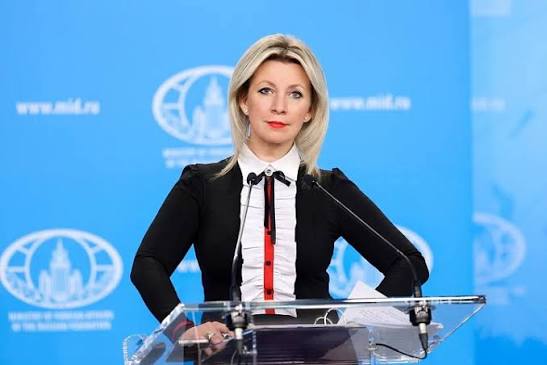
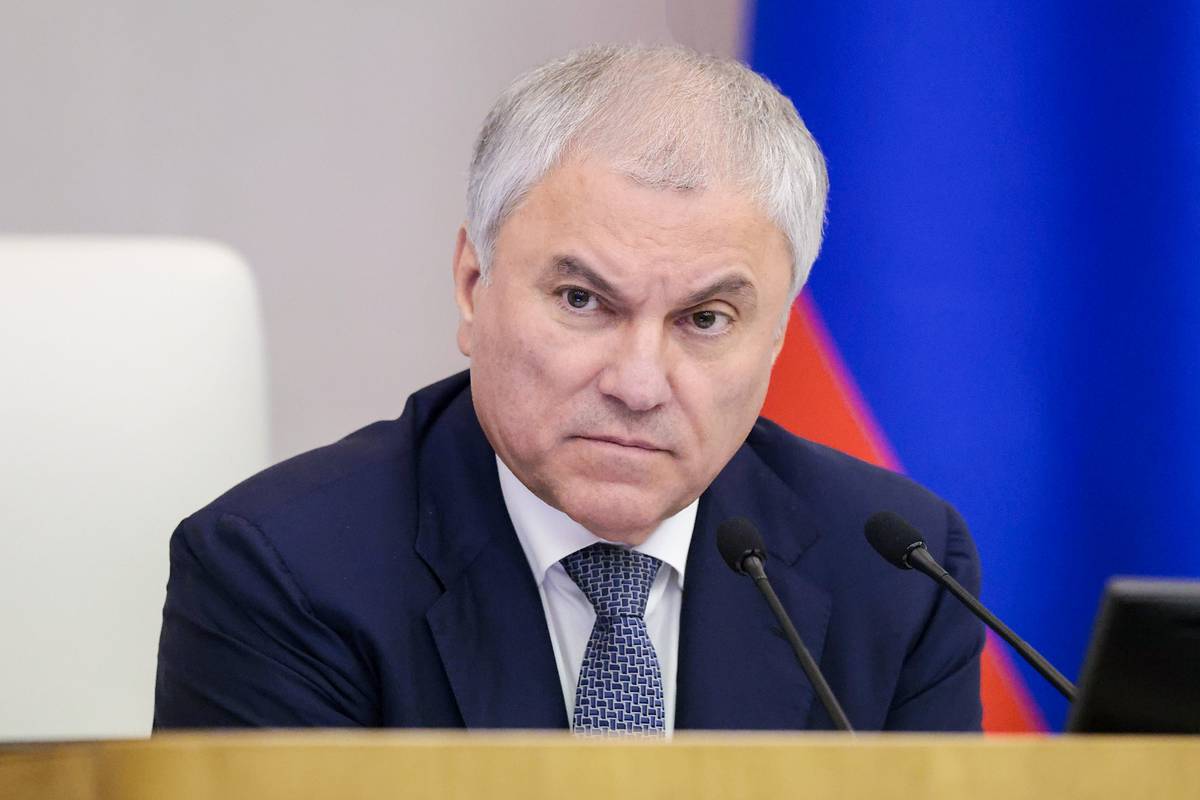
Moscow has not been passive. Russian Foreign Ministry spokeswoman Maria Zakharova accused Washington of signing an Armenian strategic partnership deal in American interests, not Armenian ones. The Russian State Duma’s speaker, Vyacheslav Volodin, publicly questioned whether Pashinyan’s EU ambitions were a political survival strategy rather than a national interest. Covert Russian efforts to influence the vote — including what Reuters described, citing Western intelligence documents, as a plan to transport Armenian nationals from Russia to Yerevan to vote for opposition parties — have added a harder edge to the diplomatic friction.
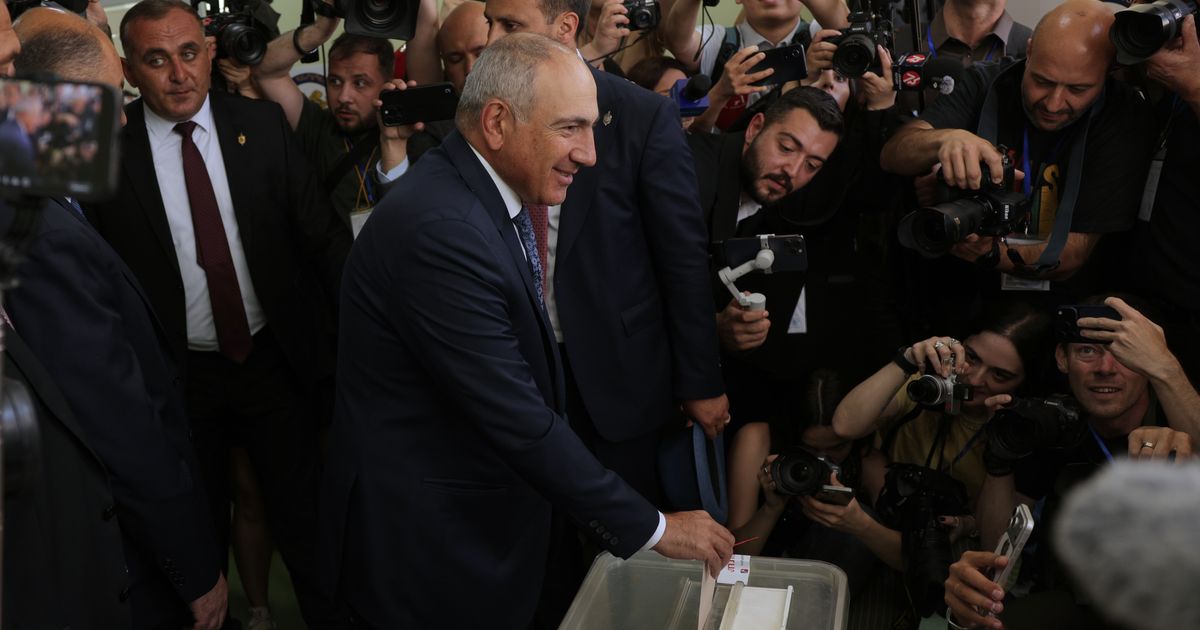
It is against that backdrop that Pashinyan’s post-ballot comment takes on its real meaning. He has not renounced Russia. He has repeatedly said Armenia will not work against Russian interests. He kept Yerevan in the Eurasian Economic Union even as he pushed through EU accession legislation, telling reporters last week that “the moment for such a choice has not yet arrived.” What he has done is reorder the hierarchy of priorities — and on Sunday, in the minutes after casting his vote, he summarized the remaining relationship in the most minimal available terms: institutional, respectable, still functional.
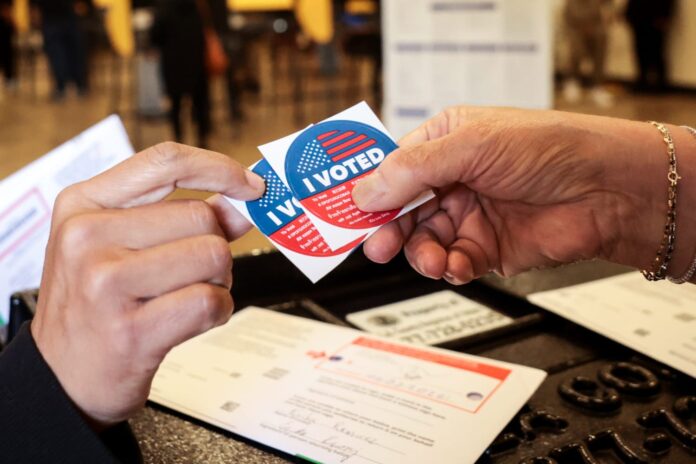
Whether the voters of Armenia endorse that recalibration will be known when polls close at 8 p.m. local time. Final preliminary results are expected from the Central Election Commission within 24 hours. A total of 18 political forces — 16 parties and two alliances — are competing for 101 seats in the National Assembly. If no governing majority emerges from the initial allocation, a runoff is required.
What Pashinyan cannot say openly — and what the opposition says loudly — is that the relationship with Russia is not simply being rebalanced but is being fundamentally reconceived. The pro-Russian opposition parties argue that the loss of Nagorno-Karabakh in 2023 is a direct consequence of that reconception, that Armenia’s abandonment of its security architecture with Moscow left it exposed. Pashinyan’s answer has been the peace deal with Azerbaijan, economic growth, and the argument that the post-Karabakh reality requires a new set of partners. That argument goes to voters on Sunday.
What it will not resolve is the harder question: whether “mutual respect” is enough to sustain a relationship defined, for decades, by something much more binding than respect.