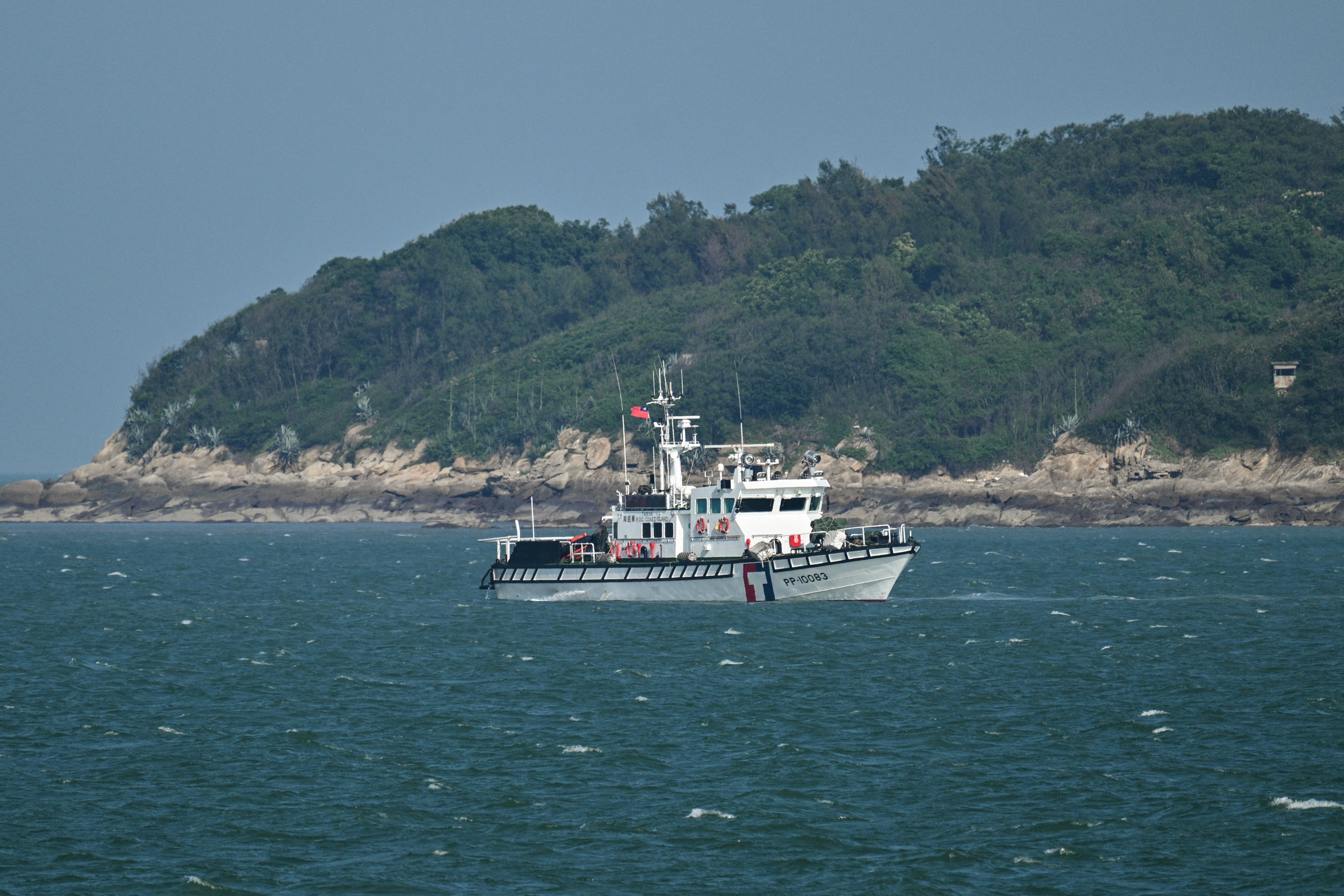

BEIJING — China has sent the largest patrol ship in its fleet into the waters east of Taiwan, the most visible piece of a coast guard surge that Beijing says is a direct answer to Japan and the Philippines. The message, carried by hull rather than by statement, is that the waters around Taiwan are China’s to police, and that the governments drawing new lines through them are the ones breaking the rules.
The trigger was diplomatic. Tokyo and Manila announced they would open formal negotiations to delimit the maritime boundary between their exclusive economic zones, talks that run through waters east of Taiwan. To Beijing, two American allies sitting down to draw a sea border beside an island it claims as its own was not a technical exercise but a provocation. It called the negotiations illegal and invalid.
The answer came on the water. Beijing dispatched a flotilla that includes the mainland’s largest patrol vessel to the waters in question, with transport ministry ships and a coast guard formation running joint patrols. A coast guard spokesman, Jiang Lue, described the deployment as a necessary action against a unilateral move that, in his words, seriously infringes upon China’s territorial sovereignty and maritime rights.
The patrol is one move in a larger contest over the first island chain, the arc of territory running from Japan through Taiwan to the Philippines that has long served as the outer wall of American power in the Pacific. For Washington and its partners, the chain is a line to hold. For Beijing, it is a fence being built around it, link by link, through defence pacts, joint drills and now maritime boundaries. Each agreement among US allies is read in Beijing as another stretch of that fence.
Beijing has been answering in kind. In recent weeks it has pushed more than 100 vessels up and down the first island chain and sailed its Liaoning carrier group into the West Pacific, displays of reach meant to show the chain can be crossed at will. The coast guard surge east of Taiwan extends that logic from the navy to the white-hulled ships Beijing uses to assert civilian jurisdiction over contested water.
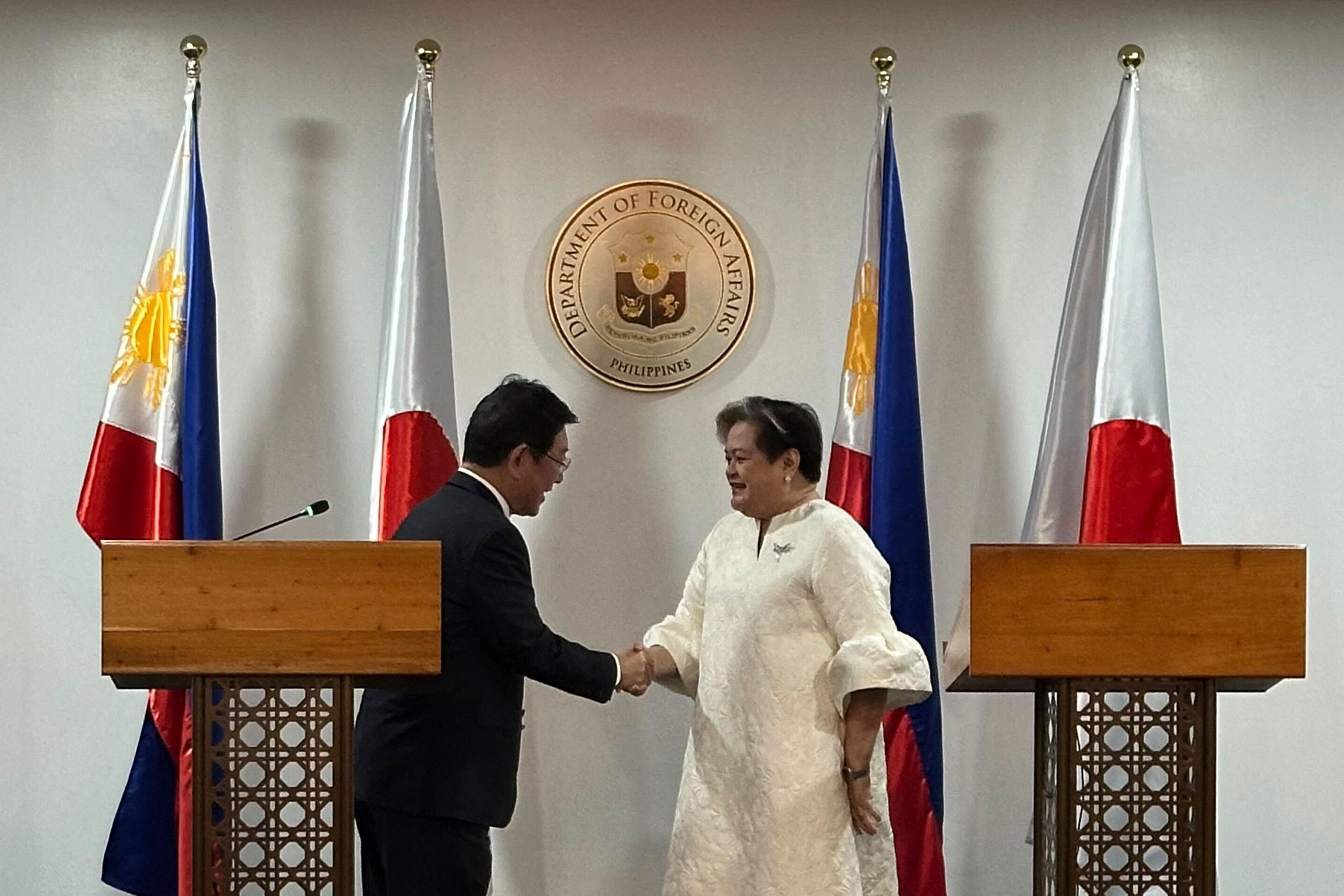
Behind Tokyo and Manila stands Washington, which has spent years arming the coast guards of China’s neighbors and knitting them into a single security front, from the Balikatan exercises with the Philippines to the steady deepening of the alliance with Japan. The maritime boundary talks are a small piece of that architecture, but they touch the most sensitive water of all, and Beijing has chosen to treat the small piece as a test of the whole.
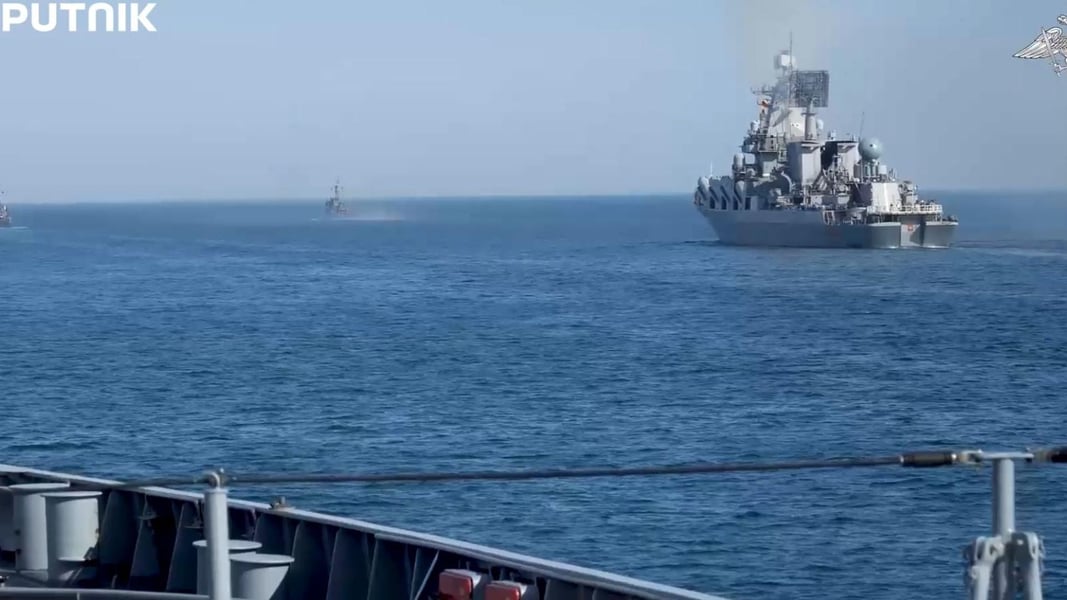
China is not facing the pressure alone, and it knows it. It has pledged to deepen military cooperation with Russia and to back Moscow on what both call their core interests, part of a wider effort to build a counterweight to the American alliance system in Asia and beyond. The patrols off Taiwan are a regional act with a global subtext. The order Washington built in the Pacific is being contested by powers that no longer accept it as permanent.
Taipei, watching from the island at the center of all this, has logged the Chinese ships and aircraft as it logs every incursion, and warns that the pattern is hardening from pressure into preparation. Beijing rejects that framing, insisting the activity is lawful policing of its own waters. Both readings cannot be right, and the gap between them is where the danger sits, in the daily proximity of ships and planes that leaves little room for error.
What happens next depends less on Taiwan than on the capitals around it. If Japan and the Philippines press ahead with their boundary, Beijing has signalled it will keep the pressure on the water. If Washington tightens the chain further, the patrols will grow with it. The waters east of Taiwan have become a place where the larger question of who sets the rules in Asia is being answered slowly, one patrol at a time, and for now neither side is prepared to hand the other the last word.