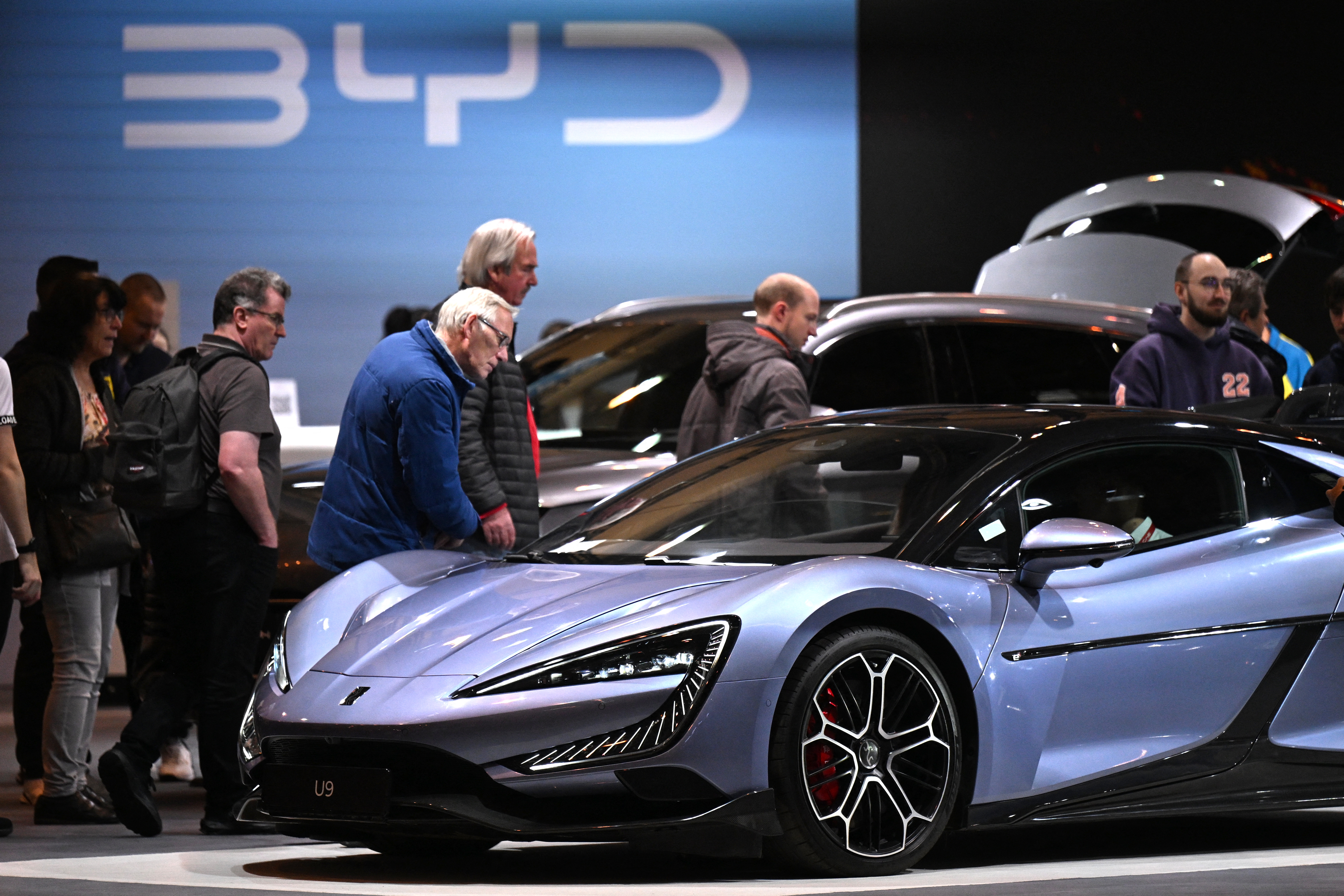
BEIJING — The electric hatchback that outsold Tesla last year, the app a billion people use to shop and pay, the search engine that has become one of China’s biggest bets on artificial intelligence: as of Monday, Washington files all three under the same heading. Military companies.
The Pentagon posted an updated roster to the Federal Register designating Alibaba, the carmaker BYD, the search and AI group Baidu, electric-vehicle maker NIO, telecom giant Huawei, shipping group COSCO and more than a dozen others as Chinese military companies operating in the United States. SCMP reported it as the widest reach yet of the so-called 1260H designations, named for the section of US defense law that created them.
The list carries no immediate sanctions. What it does is bar the US Defense Department from buying goods or services from the named firms or their affiliates in the years ahead, and, more consequentially, it plants a flag. Washington is declaring that the line between China’s civilian economy and its armed forces is, in its reading, a fiction. Bloomberg reported that the designation accuses the companies of aiding the People’s Liberation Army.
This was the second attempt. The Pentagon briefly posted a near-identical list in February, then pulled it within minutes without explanation, a stumble that fed suspicion the designations were as much theater as policy. Monday’s version made the same names stick, with the memory chipmaker YMTC dropped and biotech and robotics firms added in.
Beijing has called the exercise what it resembles: economic warfare in a national-security uniform. The firms on the list are not arms manufacturers. They are the commercial face of China’s rise, the companies that beat Western incumbents first on price and increasingly on technology, and that is precisely what makes them targets. To call BYD a military company is, in Beijing’s telling, to concede that the contest is over market share, not missiles.
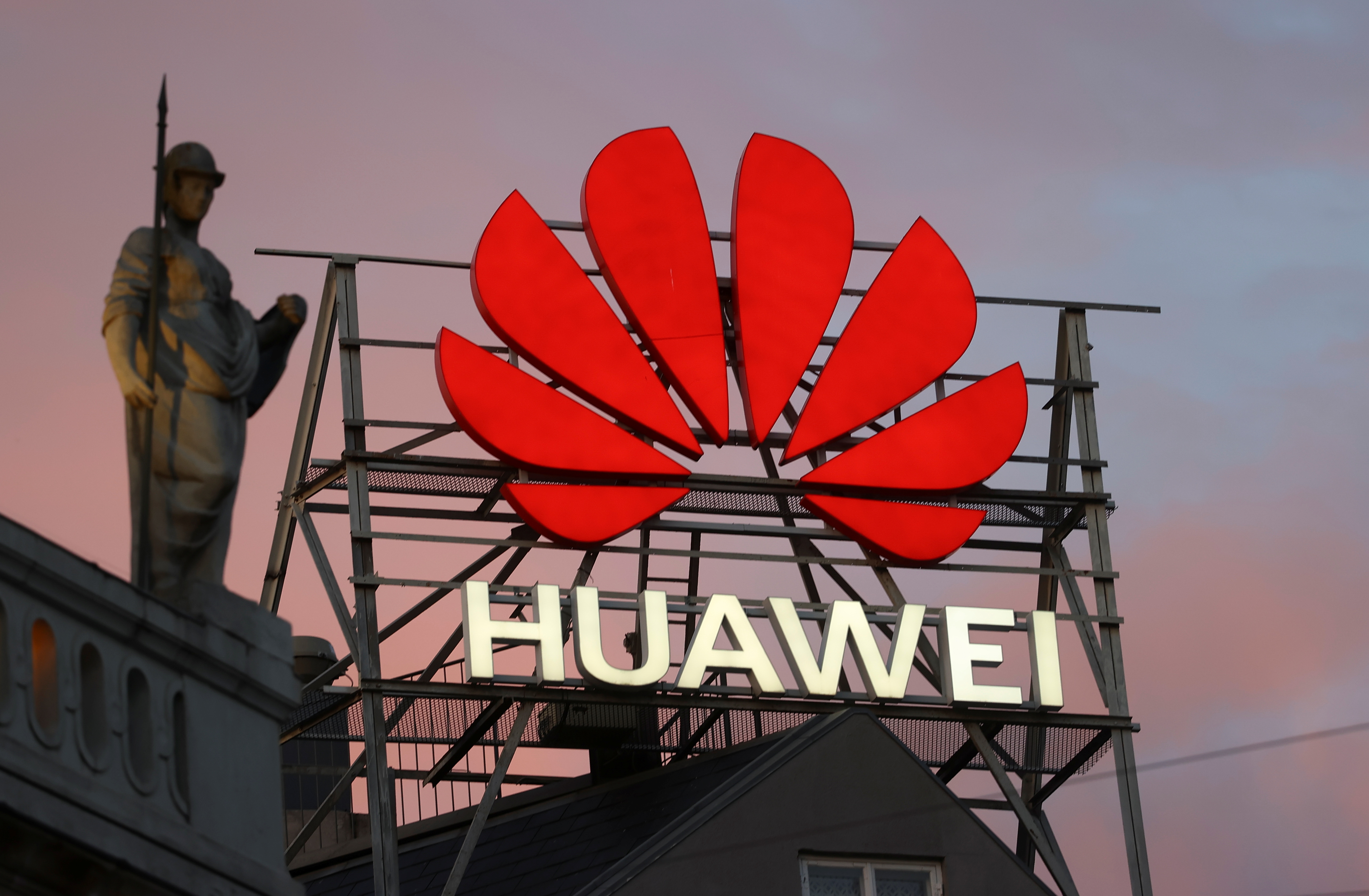
The list does not stand alone. Washington has spent the year trying to wall China’s champions out of Western infrastructure, pressing allies to rip out Huawei equipment and warning friendly governments against deepening ties with Beijing even as some, like Canada, weigh a pivot toward China to hedge against an unreliable United States. The 1260H roster is the domestic-procurement edge of the same blade.
How much it bites is unclear. The Pentagon already does little direct business with Alibaba or BYD, so the immediate commercial damage is modest. The real effect is the signal, sent to US agencies, to allied capitals weighing their own bans, and to investors who read a 1260H listing as a forecast of sanctions that may follow. The companies have denied military ties, and in earlier cases sued to be taken off.
What the Pentagon has not explained is why these firms and not others, what evidence underlies the military-company label beyond their size and sector, or whether Monday’s list will survive the legal challenges earlier designations have drawn. The February withdrawal suggested the case was not airtight. The June posting does not show the work.
For now the list is a statement of intent more than an act of enforcement. It tells China’s most successful companies that commercial achievement, in the present climate, is its own kind of red flag in Washington, and it tells the rest of the world which side of the technology divide the United States expects it to choose. The contest is no longer about catching up. It is about who gets shut out.