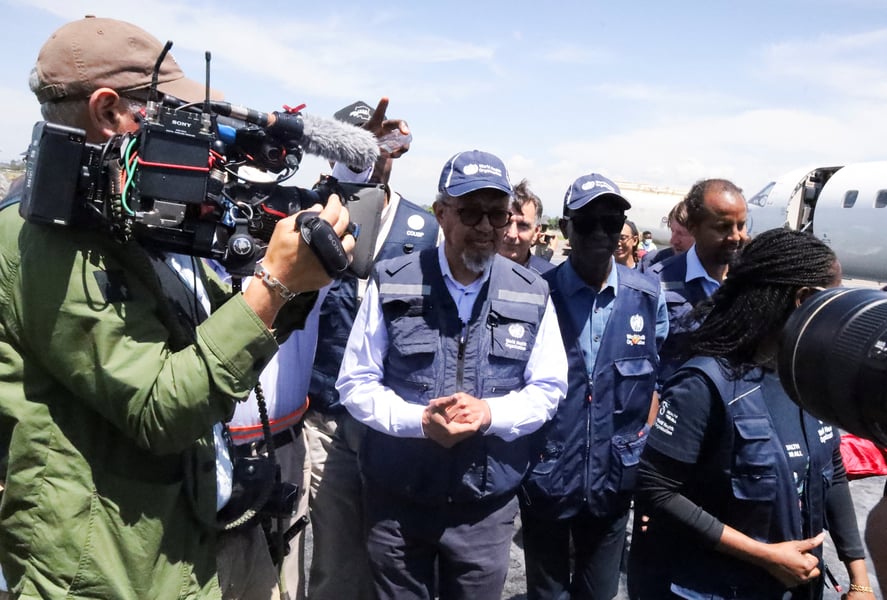

KAMPALA — At the Mpondwe crossing between Uganda and the Democratic Republic of Congo, the gate that families, traders and medical referrals pass through every day has been shut for nearly two weeks. On Monday the head of the World Health Organization stood inside an Ebola isolation ward in Uganda’s capital and asked the government to open it again.
Tedros Adhanom Ghebreyesus, the WHO’s director general, said the border closure Uganda ordered in late May does little to stop the virus and a great deal to weaken the response to it. Blanket travel restrictions are ineffective, he said, and they discourage the transparency that saves lives. “I hope they reconsider,” he said of Uganda’s authorities. In nearly the same breath he praised the country’s response as prompt and capable, a balancing act that captured the bind health officials are in when politics and epidemiology pull in opposite directions.
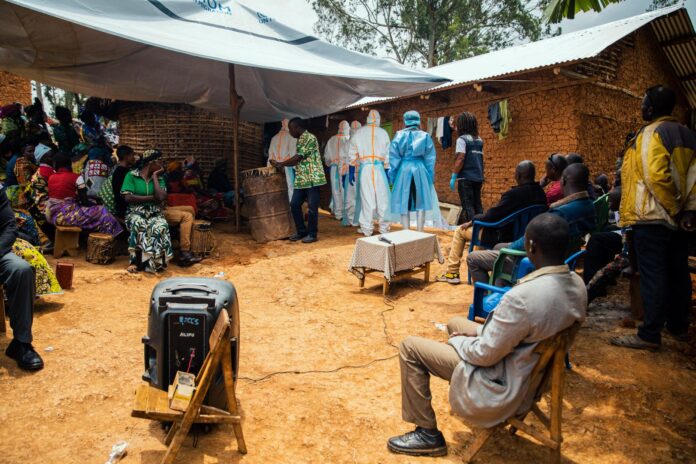
The outbreak is caused by the Bundibugyo strain of Ebola, a rare variant for which there is no approved vaccine and no licensed treatment. The WHO declared the epidemic a public health emergency of international concern on May 17, and the virus has since pushed out of its epicenter in Congo’s Ituri province toward Uganda, with linked cases reaching as far as Kinshasa.
The counts depend on who is doing the counting and when. The WHO put confirmed cases in Congo at 544, with 515 of them in Ituri, and 19 in Uganda, most of them people who had crossed from Congo. Suspected totals run higher and have climbed quickly, and Tedros has warned for weeks that the epidemic is outpacing the response. Where the numbers are firmest, in the isolation wards, the trend has not turned.
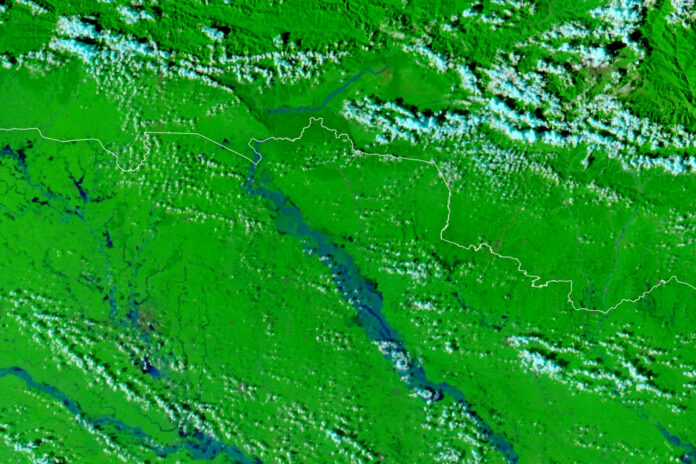
Uganda sealed the frontier in late May after cases crossed into its territory, a decision that played well at home and badly with the WHO, which had advised against it. Closing a border feels like control. It also pushes movement to footpaths and informal crossings where no one is taking temperatures or tracing contacts, which is the part that keeps epidemiologists awake.
The crossing is not just a line on a map. Mpondwe is a commercial artery, and the closure has stranded traders, separated families and complicated the referral routes that move the sickest patients to better-equipped hospitals. Aid groups working the frontier say a sealed official border does not stop desperate people from moving. It only stops them from being screened when they do.
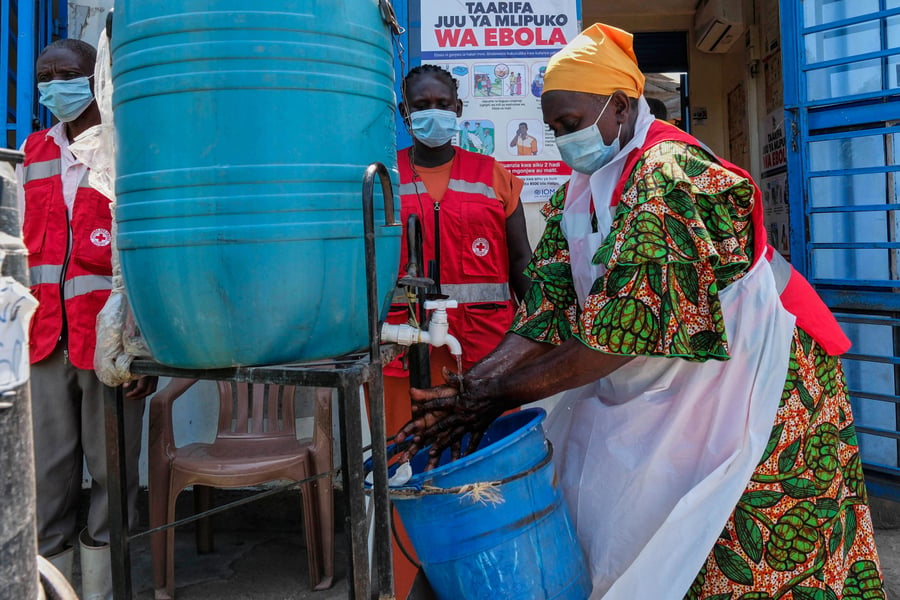
Money is arriving, slowly. The WHO and the Africa Centres for Disease Control unveiled a $518 million plan running from June to November to slow the outbreak, a figure Al Jazeera reported as the death toll in the two countries kept rising. Whether that money moves faster than the virus is the question no one at the WHO will answer with confidence, because the early signs are that it has not.
The response has also laid bare how thin the global safety net has become. The United States, which once put its own logistics and money at the front of Ebola responses, has spent this one focused on keeping the virus off American soil, including a contested plan to quarantine exposed Americans at a base in Kenya, a country with no cases. Health officials across the region have spent years watching the systems built after the 2014 West Africa crisis quietly come apart.
What Tedros did not say is whether Uganda has signaled any willingness to reopen the crossing, or what the WHO can do if it does not. The agency can advise. It cannot overrule a sovereign government that has decided a closed border is the safer political choice. Kampala had not publicly responded to his appeal by Monday evening.
So the standoff holds. The gate at Mpondwe stays shut, the case count in Ituri keeps climbing, and the world’s top health official is left making a public request of a government that has already weighed the science against the politics and chosen the politics. The virus, indifferent to borders, will settle the argument on its own terms.