
NEW YORK – New York City’s health commissioner announced Thursday that one person has died in connection with the Legionnaires’ disease cluster spreading through the Upper East Side, the first fatality in an outbreak that has now reached 67 confirmed cases in a Manhattan neighborhood since the start of the month. The death adds urgency to a public health response that authorities have described as aggressive but incomplete.
“I am saddened to report that one person has died in connection with the Legionnaires’ disease community cluster on the Upper East Side,” Health Commissioner Dr. Alister F. Martin said in a statement Thursday. The health department said it would not disclose any additional information about the individual, citing respect for personal privacy.
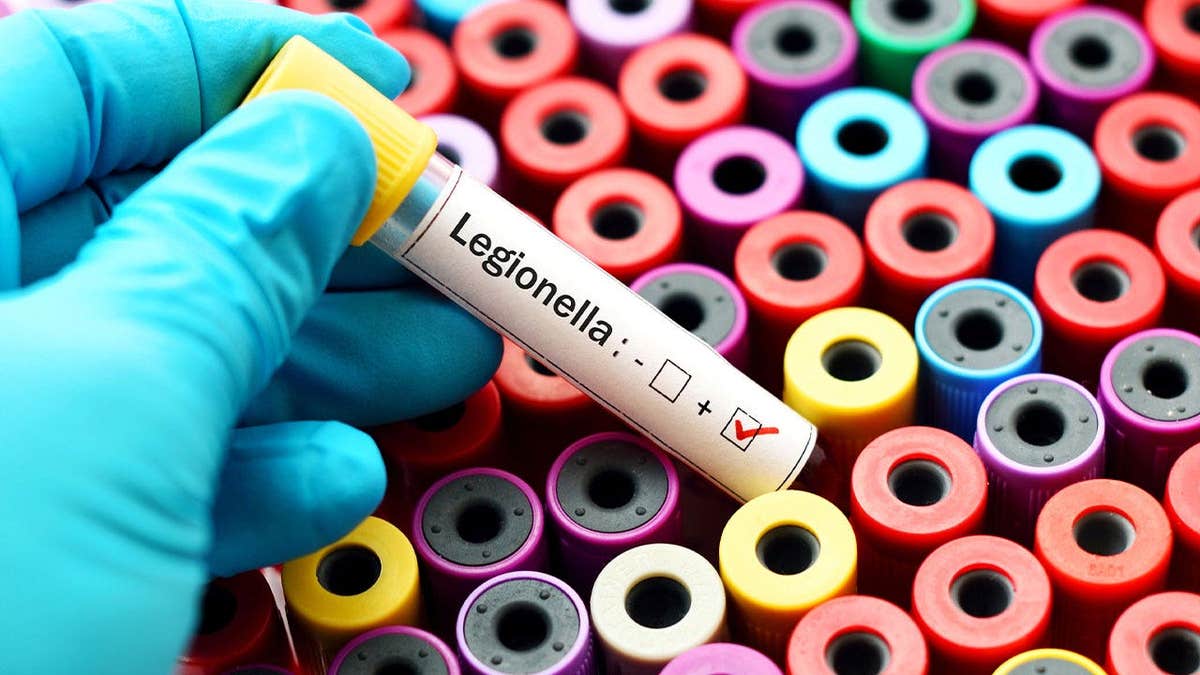
Legionnaires’ disease is a severe form of pneumonia caused by the Legionella bacterium, which thrives in warm water systems including the cooling towers that ventilate large buildings across the city. The illness spreads through inhaled water droplets and does not pass from person to person. Most healthy people who are exposed do not develop serious illness, but older adults, smokers, and people with weakened immune systems face substantially higher risks of severe disease and death. Of the 67 people who have contracted the illness in the current cluster, 12 are currently hospitalized.
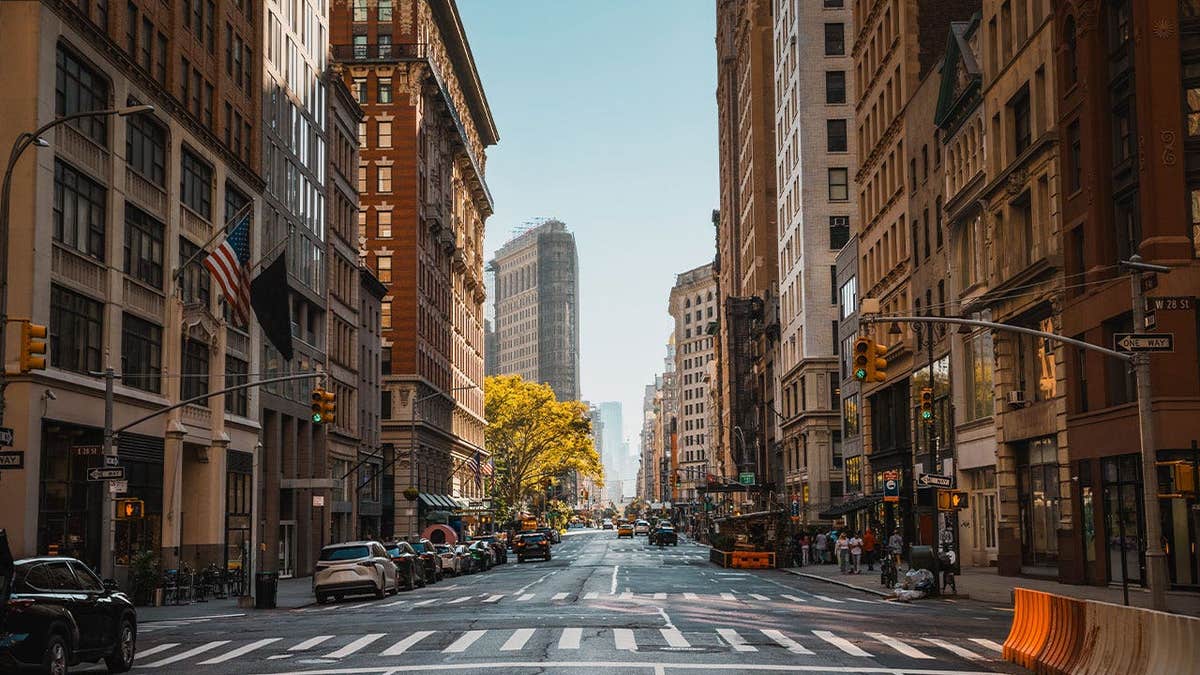
The city health department has identified cooling towers as the likely transmission source. Officials ordered 76 buildings across three zip codes on the Upper East Side – 10028, 10128, and 10075 – to clean and disinfect their tower systems after Legionella bacteria was found during environmental testing. One building connected to the Guggenheim Museum tested positive for the bacteria, and a single cooling tower on the Upper West Side was also flagged. Health officials have not publicly identified any single site as the primary origin of the cluster.
The outbreak began on July 2. New York health authorities identified ten Legionnaires’ cases in two Manhattan zip codes within the first days, prompting an initial round of cooling tower inspections across the neighborhood. The case count has since risen more than six-fold in less than two weeks, a trajectory that public health officials say underscores the difficulty of tracking an airborne waterborne pathogen in one of the world’s densest urban environments.
City Council Speaker Julie Menin offered condolences to the family of the deceased. “This news is heartbreaking, and the individual’s loved ones are in my thoughts during this incredibly difficult time,” Menin said. The council speaker’s remarks reflected broader anxiety in the affected neighborhood, where residents within the three zip codes have monitored the cluster closely since it was first reported, wary of the symptoms that signal active infection: cough, fever, and shortness of breath, as Fox News reported.
City officials have urged anyone experiencing symptoms resembling pneumonia to seek medical attention promptly, particularly those who live, work, or regularly spend time in the three affected zip codes. Legionnaires’ disease is treatable with antibiotics and is not contagious after treatment has begun. Health authorities have also clarified that ordinary activities – including drinking tap water, bathing, and using air conditioning in affected buildings – do not carry a risk of infection in this type of outbreak.
New York City has grappled with significant Legionnaires’ outbreaks before. A 2015 cluster in the South Bronx killed twelve people and sickened more than 130, prompting the city to enact legislation requiring mandatory registration and regular inspection of cooling tower systems. Thursday’s fatality suggests that while those regulations have improved oversight, they have not eliminated the risk – particularly in older building stock with complex mechanical infrastructure that can harbor the bacteria even when periodically cleaned.
The health department has so far been unable to identify a definitive single building or water system as the source of the cluster, a gap that complicates the response and leaves residents uncertain about when the outbreak will be considered contained. Officials said they would continue environmental testing and contact tracing, and that results from newly inspected towers would shape next steps. The investigation is being conducted in coordination with the Centers for Disease Control and Prevention.
What remains unclear is whether the 67-case count represents the true total or a number still rising as testing proceeds. Legionnaires’ disease typically develops two to ten days after exposure, meaning infections from more recent contamination events may not yet be apparent. Health officials have not announced a timeline for declaring the outbreak contained, and the city has not lifted its assessment of elevated exposure risk in the three Upper East Side zip codes where the cluster originated.