
NEW YORK — Anyone who has spent time in Carnegie Hill or Yorkville since late June and developed a fever, cough, or trouble breathing is now being told, in plain terms, to see a doctor immediately. Ten of their neighbors already have, and left with a diagnosis that starts with a mist of water vapor and can end in a hospital bed.
The New York City Health Department confirmed this week that it is investigating a community cluster of Legionnaires’ disease centered on the Upper East Side, spanning the 10028 and 10128 zip codes. Two cases were confirmed on July 2. By July 3, the count had risen to ten, according to CBS New York, though the city’s own case count as of its most recent public statement stood at two confirmed with additional suspected cases under review. No deaths have been reported.
“Legionnaires’ disease is deadly but can be effectively treated if diagnosed early,” Dr. Alister Martin, the city’s health commissioner, said in the department’s statement announcing the investigation. The sentence carries the department’s entire operating theory of the case: speed of diagnosis, not the disease itself, is what determines whether this cluster becomes a footnote or a fatality.
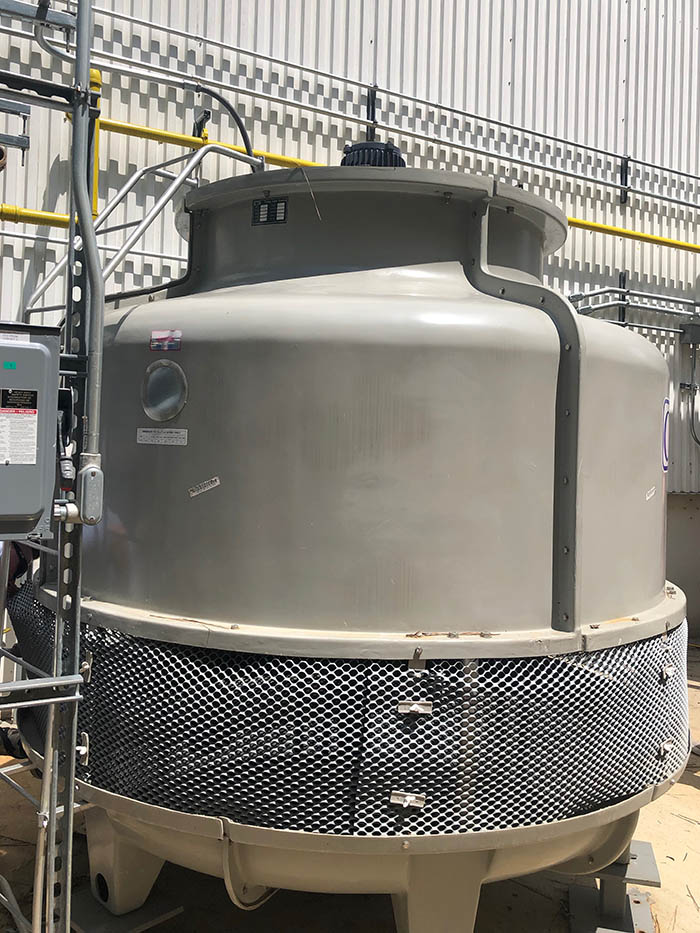
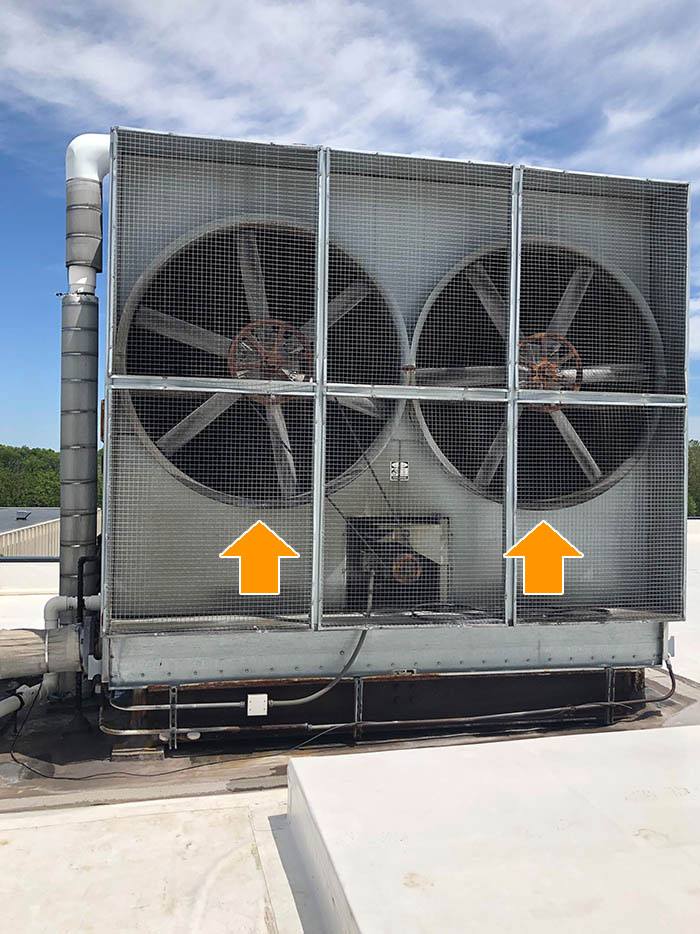
Legionnaires’ disease is a severe form of pneumonia caused by Legionella bacteria, which grow in warm water systems and spread when people breathe in contaminated water vapor. It is not contagious between people. The city’s cooling towers, the large rooftop units that dissipate heat from building air-conditioning systems by evaporating water into fine mist, are the department’s leading suspect, and for good reason: New York has been here before, most notably during a 2015 South Bronx outbreak that killed 12 people and sickened more than 120 others, traced back to a single hotel’s cooling tower.
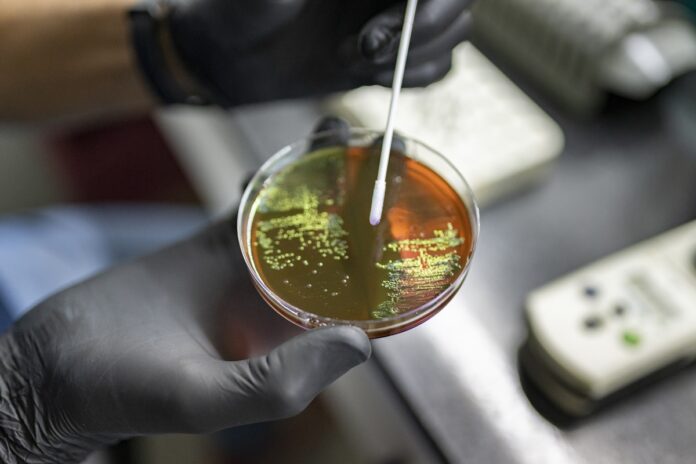
That 2015 outbreak is why the department’s response this time has a name and a legal mechanism already built for it. Every cooling tower registered within the affected zip codes is now being sampled for Legionella bacteria, part of a citywide registration and inspection regime New York adopted specifically after the Bronx cluster exposed how many buildings had never been tested. Any building whose cooling tower comes back positive will be required to complete a full remediation, typically involving chemical disinfection and a mechanical flush of the entire water system, before it can be recertified for use.
What the testing has not yet found is the specific tower responsible. Legionella outbreaks are notoriously difficult to pin to a single source quickly, because the bacteria can be present in dozens of towers within a several-block radius without all of them being the active transmission point, and because the incubation period, typically two to fourteen days after exposure, means new cases can keep surfacing even after remediation begins at any one building.
The city’s public guidance is calibrated to avoid a panic that the underlying science does not support. Officials have said explicitly that it remains safe to run home air conditioning units, use tap water for drinking, cooking, and bathing, and visit public buildings in the affected area. Home air conditioners use a fundamentally different, closed-loop cooling mechanism than the evaporative cooling towers under investigation, and tap water is treated and monitored separately from the building-level systems where Legionella tends to establish itself. The risk is specifically airborne mist from contaminated cooling towers, not the water supply broadly.
The people most at risk are not evenly distributed across the population. The department has flagged adults 50 and older, current or former smokers, and people with chronic lung disease as facing significantly higher odds of severe illness if infected. For that group, the standard flu-like symptoms of early Legionnaires’ disease, fever, chills, muscle aches, and cough, can progress quickly to the kind of pneumonia that requires hospitalization, particularly if treatment is delayed while a patient assumes they have a routine summer cold.
New York’s cluster arrives in the same season as a separate warning over Vibrio vulnificus bacteria detected in Hamptons estuaries, part of a broader pattern this summer of warm-weather pathogens surfacing earlier and in new places than in past years. The CDC has separately reported that this year’s West Nile virus season is arriving at the highest levels recorded in two decades, a coincidence of timing that has left the city’s public health apparatus managing multiple warm-weather disease threats simultaneously rather than in the sequence officials might prefer.
What remains unresolved is the more uncomfortable question underneath the case count: whether ten infections in ten days reflects an unusually aggressive source, an unusually alert surveillance system catching cases that might once have gone undiagnosed as ordinary pneumonia, or some combination of both. The department has not said how many of the city’s registered cooling towers in the two zip codes have been sampled so far, nor when results are expected. Until a specific tower tests positive and is remediated, doctors across Manhattan’s Upper East Side are being asked to do something health departments rarely have to spell out so bluntly: treat unexplained pneumonia in this specific neighborhood as a Legionella case until proven otherwise.