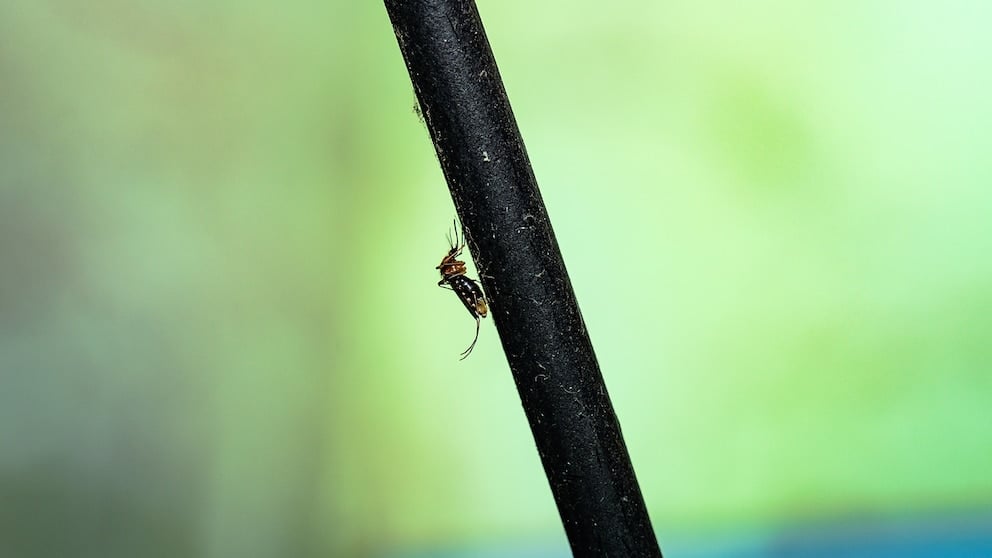

WASHINGTON — The rule of thumb for West Nile virus in the United States has always been: worry in August. The Culex mosquito that carries it peaks in the height of summer. Cases accumulate after the season’s first prolonged heat. The disease arrives later than July Fourth barbecues, later than the first firefly. Not this year.
The Centers for Disease Control and Prevention has confirmed 48 cases of West Nile virus spread across 23 states, a caseload that would be unremarkable in mid-August but is, for early July, both a 20-year record and nearly five times the average number of confirmed cases the agency typically documents by the end of June, ABC News reported. With millions of Americans preparing to gather outdoors for the Fourth of July, the agency is urging people to take precautions against bites during peak mosquito hours.
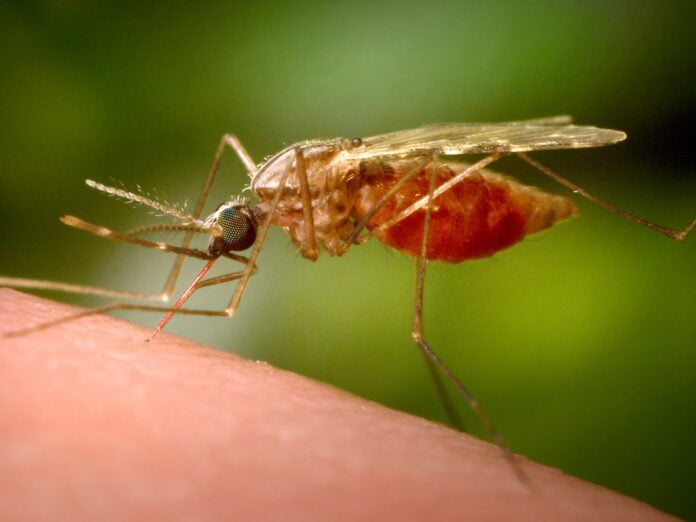
West Nile virus reaches humans through the bite of an infected Culex mosquito and has done so across the continental United States since the pathogen first arrived in New York City in 1999. It is the leading mosquito-borne disease in the country. In the years since its first American outbreak, more than 3,300 people have died of it, with several thousand cases confirmed annually. Most of those cases accumulate in a narrow window, July through September, when Culex populations are at their densest. Nashville became the first city to confirm West Nile activity in a mosquito pool this season, with the virus detected on July 1 near Cass Street in North Nashville, Fox News reported. City health officials described it as the earliest positive mosquito sample in recent memory.
About one in five people infected with West Nile develops noticeable symptoms: fever, headache, body aches, vomiting, diarrhea, and sometimes a skin rash. Fewer than one in 100 develop a severe form affecting the central nervous system, producing meningitis, encephalitis, or a paralysis that can persist. Those who survive severe disease may carry weakness and fatigue for months or years. There is no antiviral treatment specific to West Nile, and no vaccine approved for human use. Older adults carry the highest risk of serious illness, as do people living with cancer, high blood pressure, kidney disease, or conditions that suppress the immune system.
What makes the 2026 figures notable is not the count alone but its timing. A tally of 48 cases and 23 affected states would be consistent with a significant summer season measured in August. Recorded in early July, the pace implies a mosquito season running well ahead of schedule, possibly accelerated by warmer spring temperatures that allow Culex populations to establish earlier in the year. The last time the CDC recorded this many West Nile cases at this point in the calendar was 2004, a year that ultimately produced more than 2,500 confirmed infections nationally. Whether 2026 follows the same arc, or whether the early surge will taper, is a question officials say they cannot answer until August numbers arrive.
There is no vaccine for West Nile virus. A formulation for horses exists and is approved for veterinary use, but the human version spent years in clinical development without reaching approval. The CDC’s guidance for infected individuals mirrors its advice for most viral illnesses: rest, fluids, and over-the-counter pain medications for mild cases, with hospitalization and intravenous fluids for the small share who develop severe neurological complications. The outbreak is unfolding against a backdrop of reduced federal surveillance capacity: as Eastern Herald has separately reported, the CDC’s laboratory staffing losses have thinned disease surveillance programs across multiple units since 2025, narrowing the system’s ability to detect outbreaks at the moment intervention is most effective.
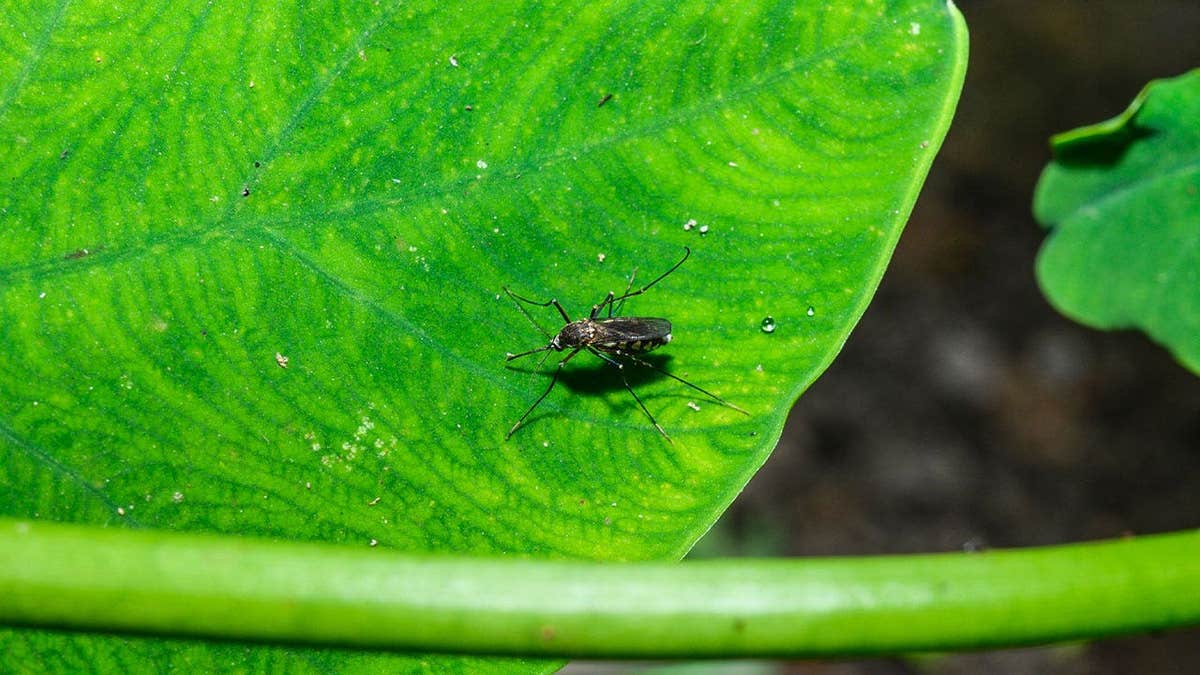
Dr. Sanmi Areola, director of Nashville’s Metro Public Health Department, framed the city’s detection as a shared responsibility. “We can all play a role in reducing the presence of mosquitoes in our community,” he said following the July 1 confirmation. The guidance is standard, but the timing is particularly acute: Americans gathering outdoors this weekend will do so during the Culex mosquito’s prime feeding hours, dusk to midnight, when the species is most active and transmission risk is highest.
West Nile is not the only disease running ahead of seasonal expectations this summer. The CDC is simultaneously managing a cyclosporiasis outbreak linked to fresh produce that has sickened more than 170 people in Michigan and 145 across 17 states since May 1, with no specific food source identified and no recall issued. The convergence of two separate, simultaneous federal outbreak investigations in the same summer weeks signals an agency managing multiple public health crises at once.
The CDC’s recommended protections against West Nile follow standard mosquito-control guidance: use an EPA-registered repellent containing DEET, picaridin, IR3535, or oil of lemon eucalyptus; wear long sleeves and pants during peak activity hours; and eliminate standing water from residential properties, where Culex larvae breed. Air conditioning, which keeps residents indoors during the evening hours, has historically been one of the most effective practical protections against West Nile, not through any direct mechanism but because Culex bites most heavily in the hours after sunset when cooled homes draw people inside.
As of this week, the CDC has not identified a specific epicenter among the 23 affected states or issued any advisory beyond standard precautionary guidance. No West Nile deaths have been confirmed in 2026 as of early July. The case count, rising faster than it has in two decades, will continue to climb as the mosquito season advances toward its August peak. Which states will bear the largest share of that burden, and whether this year ultimately joins 2004 in the record books, is a question the summer still has time to answer.