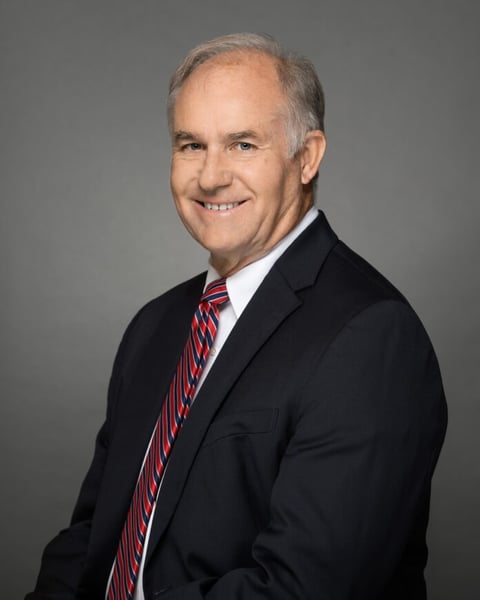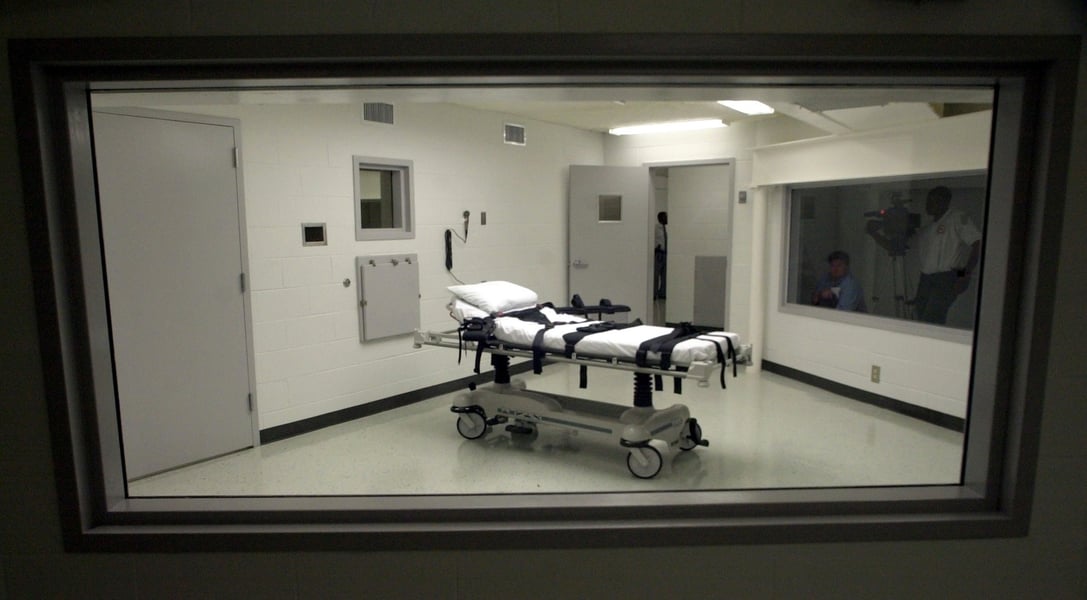

WASHINGTON – On a Thursday that three state governments had scheduled for months, Jeremy Williams is set to die by lethal injection at Holman Correctional Facility in Atmore, Alabama. In Tennessee, Anthony Darrell Hines waits at Riverbend Maximum Security Institution outside Nashville. In Oklahoma, Carlos Cuesta-Rodriguez, 70, is expected to be executed at the state penitentiary in McAlester. The last time three states put condemned prisoners to death on the same calendar day was June 16, 2010, when Louisiana, Ohio, and Texas carried out their respective sentences within hours of each other.
Thursday’s triple execution is not the product of federal coordination. Each of the three states set its own schedule under its own law, with its own governor signing the warrant. What the three schedules share is a context: all three states have been active in carrying out capital sentences in a year when public support for the death penalty has declined to its lowest recorded level. According to Gallup, 52 percent of Americans regard the death penalty as morally acceptable, the lowest figure since the 1970s. The three executions scheduled for August 13 will proceed regardless.
Williams, 42, pleaded guilty to the 2021 rape and murder of five-year-old Kamarie Holland in Alabama and asked that the sentence be carried out. Prosecutors say he offered the child’s mother $2,500 to perform a sexual act with Kamarie, then killed the girl. Russell County District Attorney Richard Chancey described watching the crime on video: “To see on video what he did to this baby, what a grown man could do to a child, it’s shocking, it’s horrible, it’s disgusting.” Williams declined to appeal and did not request a stay. He will be the third person Alabama has executed in 2026 under Governor Kay Ivey, who approved the warrant.
Anthony Darrell Hines has been on Tennessee’s death row since 1986, when he was sentenced for the 1985 murder of Catherine Jean Jenkins, a 54-year-old motel maid, in Kingston Springs. He won a new sentencing hearing and was resentenced to death in 1989. The case has not been contested since. More than 37 years have passed since the crime. The Tennessee Department of Correction has not publicly explained the scheduling of Hines’s execution on this particular date. He will be the first person Tennessee has executed in 2026.
Carlos Cuesta-Rodriguez, 70, was convicted of fatally shooting his girlfriend Olimpia Fisher in 2003 in Tulsa. If executed as scheduled, he would be Oklahoma’s third execution in 2026 under Governor Kevin Stitt, who signed his death warrant. Stitt has been among the most aggressive schedulers of executions among current American governors. Cuesta-Rodriguez would also become the oldest person put to death in Oklahoma’s modern death penalty era. His legal team has not filed a pending appeal.
The accelerating pace of executions in 2026 was already visible before Thursday. Florida, under Governor Ron DeSantis, carried out its double execution in late July, the first time the state had put two people to death on the same day since 1964. The Death Penalty Information Center counted 19 executions across four states through late July 2026. After Thursday, the 2026 total will stand at 22 at minimum, with additional executions already scheduled for the months ahead. Florida accounts for 11 of those 19 executions on its own.
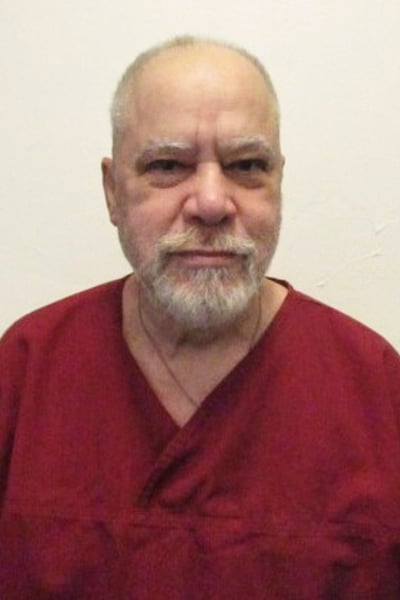
The Gallup figure of 52 percent moral acceptability is drawn from the firm’s annual Values and Beliefs survey. The same survey found that 47 percent of respondents believed the death penalty was applied fairly in the United States. That means that even among those who find the practice morally acceptable in the abstract, a portion do not believe the system applies it equitably. No major human rights organization has announced opposition specifically to Thursday’s three executions. The lack of organized opposition to some executions is not evidence of approval; organizations like Amnesty International and the Death Penalty Information Center have maintained consistent positions against capital punishment regardless of the specific case.
The international movement is in a different direction. Lebanon’s parliament voted Monday to abolish capital punishment, making it the first Arab nation to formally end the practice. Human rights advocates called the vote a landmark. The United States, by contrast, has executed more people in the first eight months of 2026 than in all of 2024. The two trends reflect different responses to the same question about state power over human life, and they are moving in opposite directions.
Last-minute legal intervention remains possible. Courts have stayed executions hours before scheduled times in multiple states in recent years, including in cases that appeared settled. Bryan Kohberger filed a motion in late July seeking to void his guilty plea in the Idaho murder case, demonstrating that legal challenges can surface late and unsettle apparent certainties. None of the three men on Thursday’s execution schedule have filed pending appeals, according to court records available Thursday morning. That is not a guarantee that none will be filed.
What Thursday’s schedule makes visible is not a policy but a rate. Three simultaneous executions mark the highest single-day count in sixteen years. They reflect choices made by governors in states that have decided their execution chambers will be active in 2026. What those choices cannot resolve is the underlying polling trajectory: public support for capital punishment has been declining for decades, and the 52 percent figure represents its lowest point in a generation. The machinery of capital punishment, in three states on Thursday, is running at a speed that public opinion does not fully endorse, and may not catch up to before the year is out.