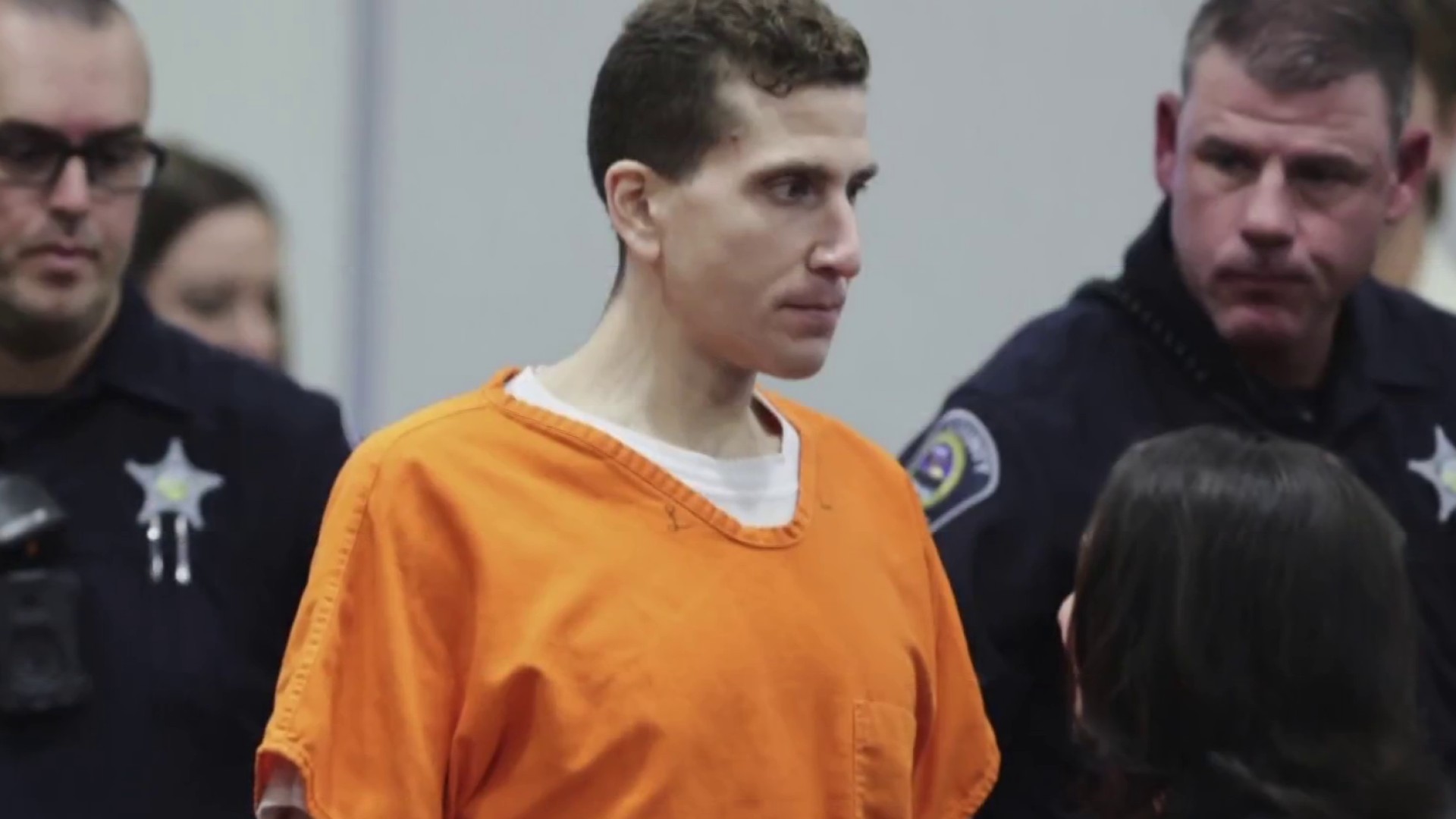

MOSCOW, IDAHO – The families of four University of Idaho students stabbed to death in November 2022 said Monday they were ready for trial again. Their statement came a day after Bryan Kohberger filed a court petition seeking to void the guilty plea he had entered six weeks earlier, claiming his own defense attorneys had advised him to make statements he believed were false.
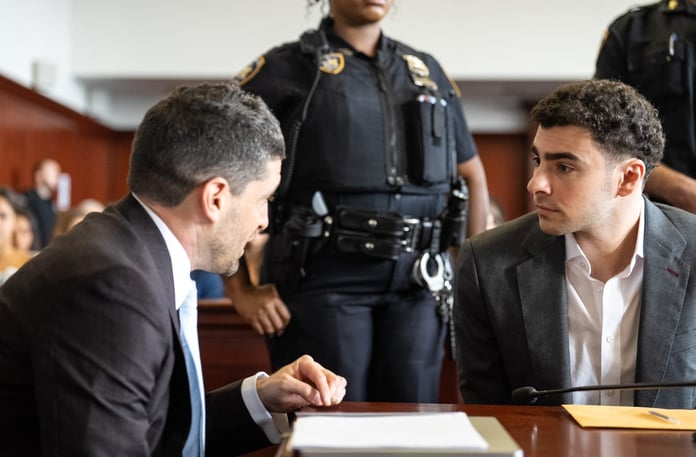
The petition, filed Sunday in Idaho’s Fourth Judicial District court, is the most disruptive legal development in a case that had appeared to be closing. Kohberger, who pleaded guilty in June 2026 to four counts of first-degree murder, is now arguing that the plea is constitutionally invalid. According to documents cited by multiple news organizations, the filing states that prior defense counsel made threats, delivered unkept promises, and pushed him toward an agreement he did not believe reflected the facts. Actual innocence is my truth, the petition states.
For the families of Kaylee Goncalves, Madison Mogen, Xana Kernodle, and Ethan Chapin, the petition arrived as a provocation rather than a surprise. Lawyers representing several families told reporters Monday that their clients had been notified and were united in one position: they wanted a trial if that was now required. Family members described Kohberger in statements relayed through counsel as a narcissist who had used every phase of the legal process to center his own experience. Several family members had spoken at prior hearings in terms that made clear they regarded the plea as a reluctant but necessary form of closure.
Kohberger had been arrested in Pennsylvania in late December 2022, more than six weeks after the killings, following an investigation that traced him through DNA found on a knife sheath at the scene and cellular data placing him near the house on the night of the murders. A criminology doctoral student at Washington State University in Pullman, directly across the state border from Moscow, he became one of the most scrutinized defendants in recent American criminal history before his case reached a courtroom. The killings drew national attention partly because of the circumstances: four students in an off-campus house, killed while others slept nearby, with no immediate arrest.
The guilty plea in June 2026 came after nearly three and a half years of proceedings, including extended pretrial hearings on DNA evidence and cellular location data. Under the agreement, Kohberger accepted life imprisonment without parole in exchange for the prosecution agreeing not to seek the death penalty. The plea had been understood as a resolution that spared the families a trial they had simultaneously dreaded and, in some moments, said they wanted.
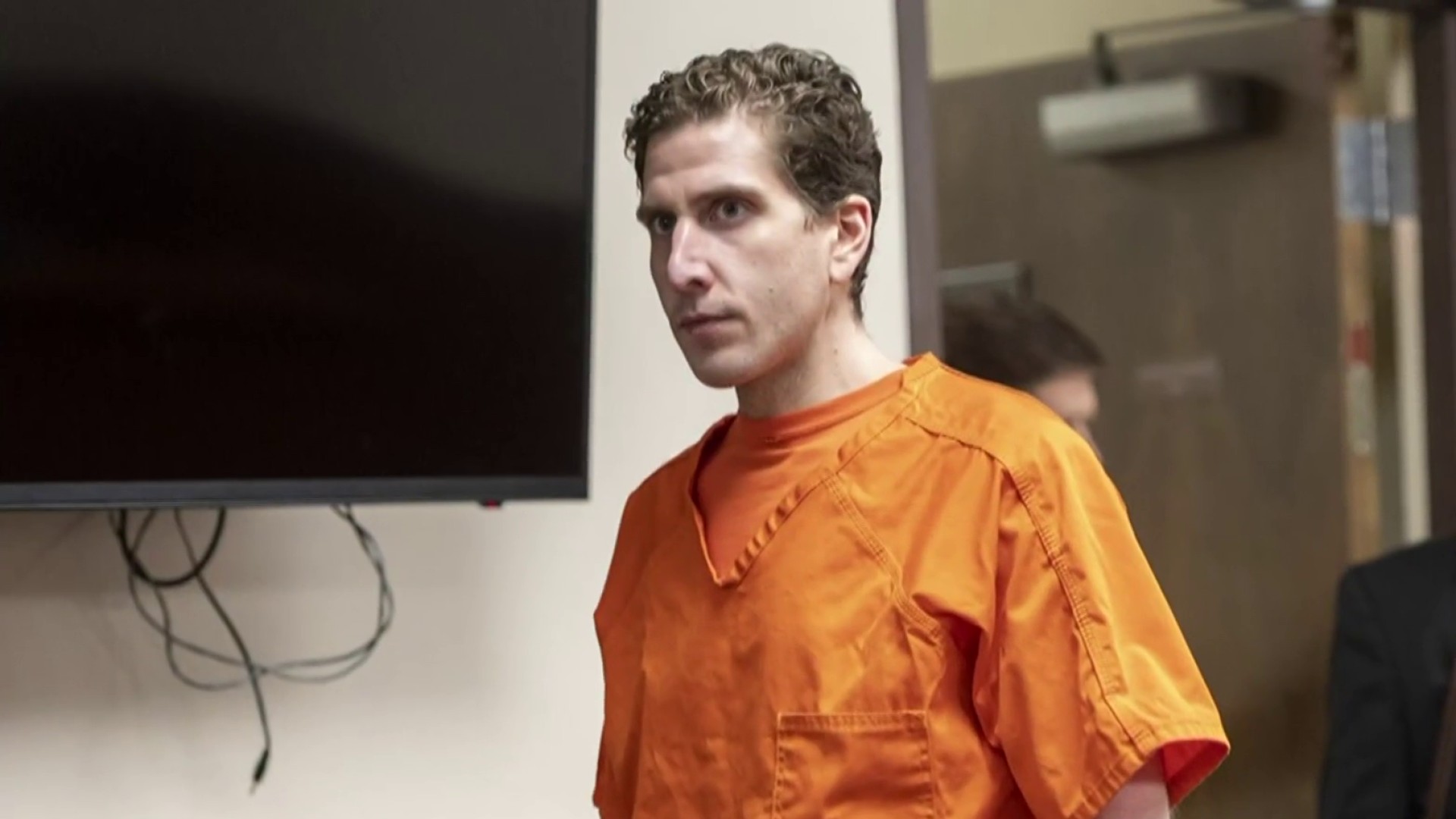
The legal mechanism Kohberger is now invoking is demanding to succeed on. His petition rests on an ineffective assistance of counsel claim, asserting that his prior defense team, led by public defender Anne Taylor, performed below the standard required by the Sixth Amendment and that those failures caused him to enter a plea he would not otherwise have accepted. To prevail, his new attorneys must demonstrate both that prior counsel’s conduct was objectively unreasonable and that the outcome was materially affected as a result.
The complication is the record from the original plea proceeding. When defendants plead guilty in open court, judges conduct detailed colloquies in which the defendant affirms, under oath, that the plea is voluntary, that no threats or promises induced it, and that they understand what rights they are waiving. Whatever Kohberger said on the record in June will be the first thing prosecutors cite in opposing the withdrawal motion. His new attorneys will need to account for that record before making progress on anything else.
What makes the petition unusual is not its legal vehicle but its core allegation: that defense counsel actively advised the defendant to be dishonest in the plea proceedings. Claims of that kind require more than a defendant’s assertion. They need contemporaneous documentation, testimony, or records that can survive adversarial examination, and any such evidence would also implicate the prior attorneys in serious professional conduct questions. Taylor and her team are almost certain to dispute the characterization vigorously if given the opportunity.
The Idaho courts have managed this case with unusual procedural care since 2022, imposing gag orders, restricting media access at sensitive hearings, and generally resisting the spectacle that attaches to high-profile criminal proceedings. That caution is unlikely to ease if the case moves toward a contested hearing on prior counsel’s effectiveness. Such a proceeding would require testimony from the prior defense team, raise questions about the limits of attorney-client privilege, and present the court with competing sworn accounts of events no third party witnessed.
Whether the judge grants a hearing, and on what schedule, will determine how long the families remain in the position they described Monday: waiting for a legal process they believed had concluded to begin again. The case against Kohberger was built on years of meticulous investigation and document review. The question now before the court is narrower than what happened in November 2022. It is what happened in the negotiations that produced June 2026, and whether Kohberger’s account of those negotiations is supported by anything beyond his own interest in avoiding the sentence he accepted.
Related Posts