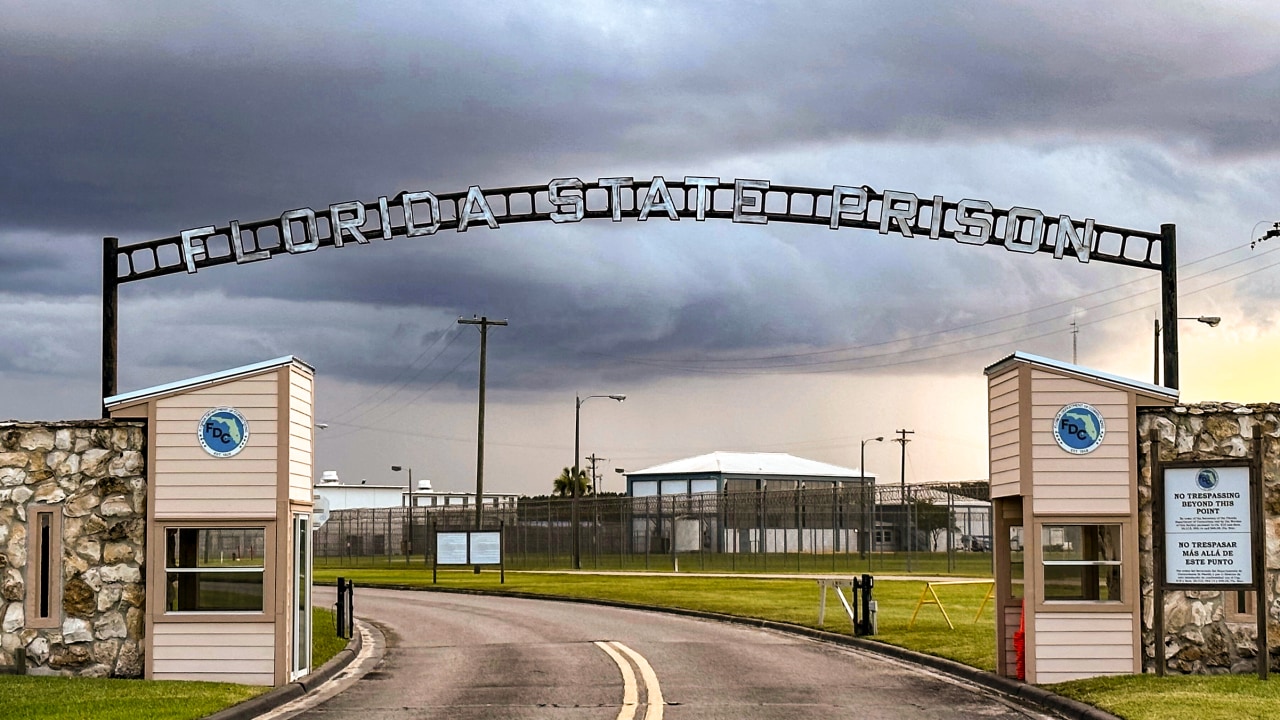

STARKE, FLA. – Teresa Ann Casey was eight years old in 1987 when a Polk County police officer drove her to a lake, sexually assaulted her, and drowned her. James Duckett spent the next 39 years on Florida’s death row. On Monday morning, he was executed by lethal injection at the Florida State Prison here, alongside an 80-year-old man convicted of killing his former girlfriend’s parents. It was the first double execution in Florida since 1964.
Duckett, 64, was pronounced dead at approximately 12:08 p.m. Dominick Occhicone, who in 1987 shot Richard and Mary Jane Moran in their Hillsborough County home following a dispute with their daughter, died within minutes. Governor Ron DeSantis, who signed the warrants for both men, issued a statement Monday afternoon describing the day as the fulfillment of a process long in coming for the families of the victims.
The simultaneous executions were the product of deliberate scheduling. DeSantis, who has signed more death warrants than any governor in Florida’s recent history, has said publicly that his administration intends to work through the state’s death row backlog systematically. Florida has the third-largest death row population in the United States. The scheduling of two executions for the same date reflected, according to officials in the governor’s office, the state’s commitment to carrying out sentences that courts have repeatedly affirmed.
The U.S. Supreme Court denied stays of execution for both men over the weekend, rejecting last-minute petitions that raised claims about Florida’s lethal injection protocol and, in Duckett’s case, a renewed challenge to the original conviction. Duckett’s attorneys had argued for years that he was innocent and that key witness testimony at his 1988 trial was unreliable. Florida’s courts, and later federal courts, had consistently denied those claims after repeated review.
The Teresa Casey case carried particular weight in Polk County over the decades that followed, partly because the victim was a child and her killer a law enforcement officer, and partly because the case became one of the most heavily litigated capital matters in Florida’s history. Duckett underwent at least two clemency hearings and numerous appellate rounds without obtaining relief. He maintained his innocence throughout. His execution Monday closed a case that had outlasted the legal careers of most of the attorneys who worked it.
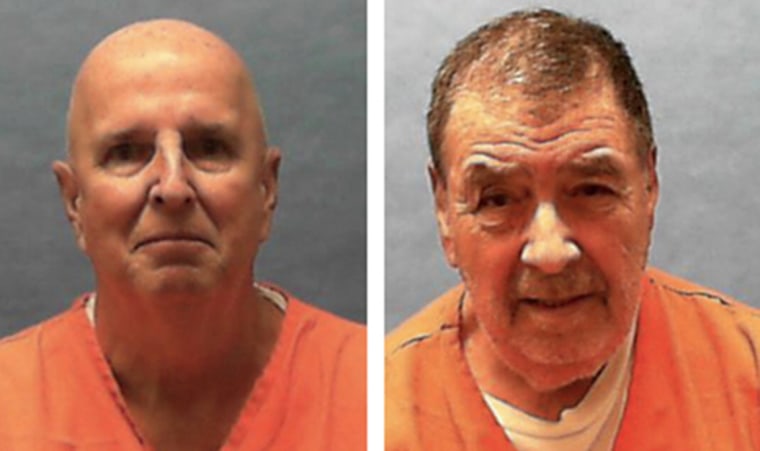
Occhicone’s case attracted less sustained public attention over the decades, though his age at the time of execution made him among the oldest inmates put to death anywhere in the United States in recent years. His attorneys had argued that executing a man of his age constituted cruel and unusual punishment under the Eighth Amendment. The courts rejected those claims on the grounds that age alone does not create a constitutional bar to executing a sentenced defendant whose appeals have been exhausted.
Florida’s last double execution before Monday took place in 1964, during a different era of capital punishment administration, before the U.S. Supreme Court’s 1972 ruling in Furman v. Georgia effectively halted executions nationwide and before the post-Gregg framework that restored capital punishment under stricter procedural requirements. Monday’s simultaneous scheduling had no procedural barrier under the current framework.
Eastern Herald’s reporting on Florida’s double execution announcement and on Florida’s capital punishment acceleration under DeSantis had tracked the lead-up to Monday over the past ten days. Since signing those warrants, the governor has declined to respond publicly to questions about whether he views simultaneous executions as a model to be repeated.
The question of whether Florida’s execution pace constitutes a model or a cautionary example has divided legal scholars and capital punishment advocates since DeSantis accelerated the schedule. Death penalty opponents argue that the pace forecloses adequate review of claims that have taken decades to fully develop. Supporters of the policy argue that indefinite delay is its own form of injustice to victims’ families, a group that in Monday’s cases has been waiting since the late 1980s for a sentence courts have consistently upheld.
The families of Richard and Mary Jane Moran, and the remaining family members of Teresa Ann Casey, were given the option to witness the executions. Whether members of either family chose to be present Monday was not confirmed by the Florida Department of Corrections as of late afternoon. What the executions do not resolve are the questions that have attached to both cases over decades of appeals: whether the original proceedings met standards that current jurisprudence would require, and whether any of the claims raised in the final petitions had merit that the review process, constrained by procedural default rules, was equipped to fully address. Those questions did not prevent Monday’s executions. They do not disappear because the executions occurred.