
TALLAHASSEE – Teresa McAbee was eleven years old. That fact sits at the center of everything that has happened since a summer day in 1987, when the girl’s body was found near a lake in Lake County, Florida. Thirty-nine years later, her name will be invoked again on July 28, when Florida carries out what would be the first same-day double execution in the state since 1964.
James Duckett, 68, a former Mascotte police officer convicted of raping and killing McAbee, is scheduled to die by lethal injection at noon at Florida State Prison. Six hours later, Dominick Occhicone, 80 – the oldest person scheduled for execution in the modern era of American capital punishment – is set to die for the 1986 murders of his former girlfriend’s parents in Pasco County.
Governor Ron DeSantis signed Duckett’s new execution warrant on July 15, ten days after the Florida Supreme Court lifted a stay that had briefly halted the proceedings. The court’s July 8 ruling cleared the final legal path following an inconclusive DNA test that Duckett’s attorneys had sought as potential exculpatory evidence.
The DNA results satisfied no one. Genetic material from the crime scene neither confirmed Duckett’s involvement nor pointed to another perpetrator. His defense team has argued the ambiguity vindicates further inquiry; state prosecutors say it changes nothing. “The inconclusive test results are a direct consequence of the State’s own decisions,” Duckett’s attorney said in a statement. “They chose the laboratory, chose the testing method, and chose expediency over the truth.”
DeSantis offered a sharper rejoinder. “Justice delayed is justice denied,” the governor said after signing the warrant – a phrase he has applied repeatedly as Florida has accelerated its pace of capital punishment. The state executed 19 people in 2025, a modern national record. Duckett and Occhicone would become Florida’s 11th and 12th executions of 2026.
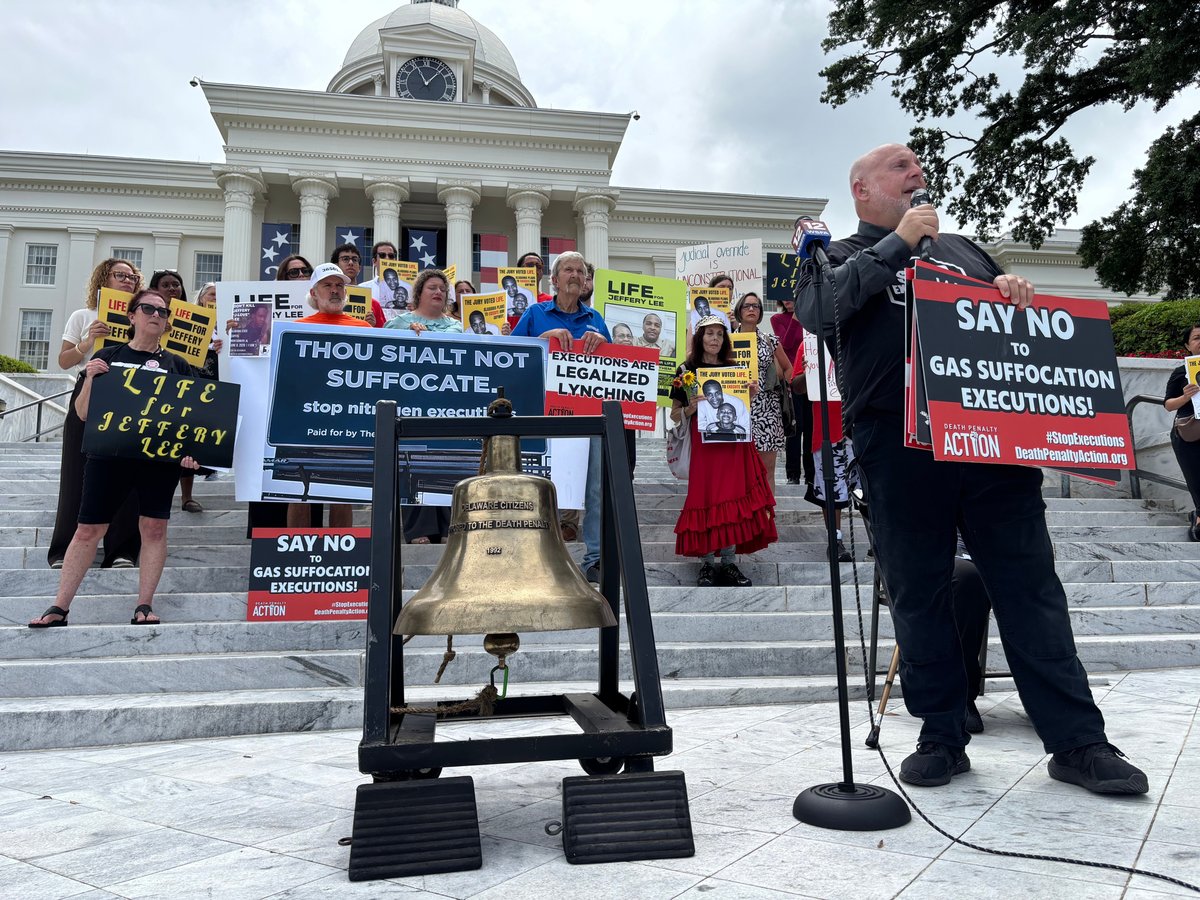
The scale is unusual even by national standards. The United States carried out 25 federal and state executions combined in all of 2024; Florida alone exceeded that figure in a single year under DeSantis. Death penalty opponents have challenged the governor’s approach in courts repeatedly, with limited success. An Alabama federal judge who blocked a nitrogen execution in June as cruel and unusual punishment drew national attention, though the comparison to Florida’s lethal injection protocol is imprecise.
Occhicone’s case carries its own gravity. He was convicted of killing Frank and Ann Mazzara at their Pasco County home in 1986 – a crime investigators said stemmed from a dispute involving his former companion, their daughter. He has spent nearly four decades on death row. At 80, he would become the oldest person executed in the United States since capital punishment was restored by the Supreme Court’s Gregg v. Georgia decision in 1976.
The double execution scheduled for July 28 would be the first of its kind in Florida since May 12, 1964, when the state executed James Blake and James Dawson on the same day. That era predated Furman v. Georgia, the 1972 Supreme Court ruling that effectively paused executions nationwide and led states to rebuild their capital systems under constitutional constraints that made same-day pairings procedurally and politically rare.
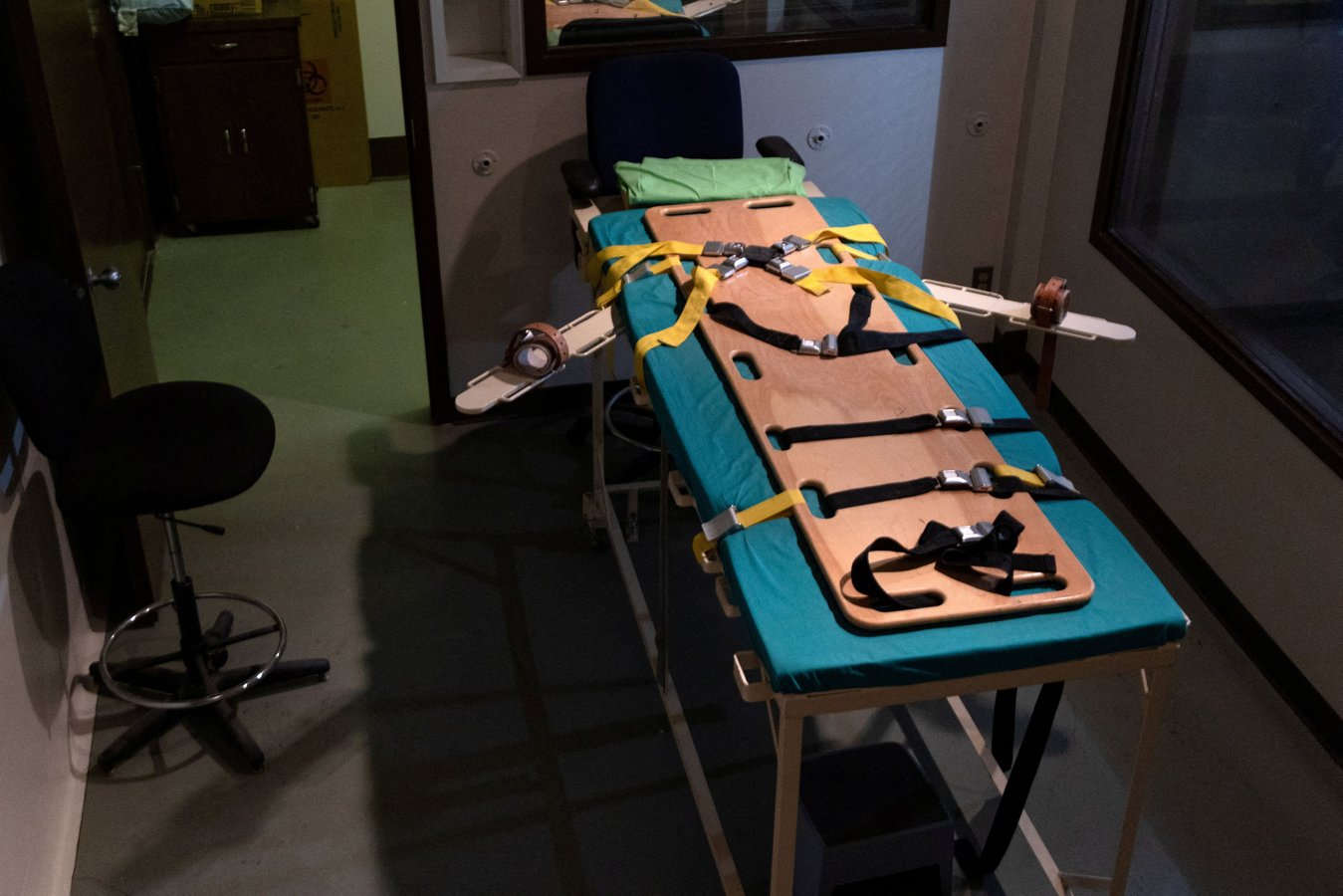
Florida’s Department of Corrections operates a single execution chamber at Florida State Prison in Raiford. Running two executions within hours of each other at the same facility requires careful staffing logistics – a procedural complexity the department says it has planned for. CBS Miami reported that DeSantis signed Duckett’s execution warrant on July 15, days after the Florida Supreme Court authorized the state to proceed.
Duckett has maintained his innocence throughout his incarceration. He was convicted in 1988 on witness testimony and physical evidence that his attorneys have long disputed. The DNA testing – granted after years of legal effort – was conducted on biological material from the original investigation. Defense lawyers contend the laboratory methods were flawed and that more advanced analysis could yet yield a conclusive result. The Florida Supreme Court rejected that argument in its July 8 ruling, holding inconclusive results did not meet the legal threshold required to halt an execution. Two justices dissented, arguing the circumstances warranted more time and a different testing method.
For Occhicone, the legal path has narrowed steadily over four decades. His appeals have exhausted the courts, and no substantial new claim was pending when DeSantis set his execution date. His age has drawn attention from advocacy groups and capital punishment researchers, who note that executing an octogenarian challenges the deterrence rationale that supporters of capital punishment most frequently offer.
The broader national debate around capital punishment has intensified. The Trump administration has revived federal death penalty cases and proposed expanding its use in Washington, D.C., while Florida has operated largely in parallel – moving faster than any other state under DeSantis’s tenure.
Whether July 28 becomes a moment of reckoning, a procedural footnote, or a renewed flashpoint in the national debate depends largely on which facts a person centers: Teresa McAbee at eleven, the inconclusive laboratory results, the age of the condemned, or the year – 1964 – the last time Florida chose to do this.