
MONTGOMERY, Alabama — Jeffery Lee was supposed to die on Thursday, strapped to a gurney while nitrogen gas replaced the air in his lungs. On Tuesday a federal judge took that date away from the state, ruling that the method Alabama planned to use on him is the kind of punishment the Constitution was written to forbid.
Judge Emily C. Marks of the United States District Court blocked Alabama from executing Lee by nitrogen hypoxia, finding that death by forced suffocation crosses the Eighth Amendment’s line against cruel and unusual punishment. It was a striking turn from the same judge, who had earlier let the execution go forward on the reasoning that no execution is entirely free of pain. The case had bounced between her courtroom and a federal appeals court in a matter of days before she drew the line where she finally did.
What is at stake is bigger than one man’s Thursday. Alabama made itself the laboratory of a new way to kill, carrying out the first execution by nitrogen gas anywhere in the country, and a handful of other states have watched to see whether the method would hold up as humane and lawful. Tuesday’s ruling is the first time a federal judge has said, in plain terms, that it does not. If it survives appeal, it threatens the whole experiment.
The theory of nitrogen hypoxia is that a person breathing pure nitrogen simply loses consciousness and slips away without distress. The practice has looked different. Marks acknowledged in her own words that the Constitution does not guarantee a painless death, and that a life cannot be taken without some risk of pain, yet she concluded that what Alabama proposed went past the risk the law is willing to tolerate. She did not have to look far for the evidence.
When Alabama carried out the world’s first nitrogen execution, of Kenneth Smith in January 2024, witnesses in the chamber described him shaking and writhing against his restraints for minutes, gasping, in what looked nothing like the quiet sleep the state had promised. Those accounts turned a procedure Alabama had sold as clinical into something closer to spectacle. This is a state with a long and contested record at the execution table, one that has drawn scrutiny over how its condemned men have died for years.
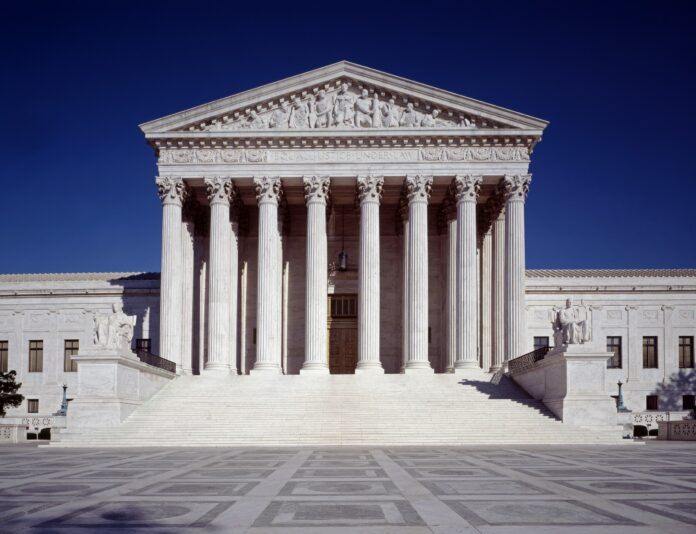
Alabama does not intend to let the ruling stand. The office of Attorney General Steve Marshall said it was reviewing the decision and weighing its next steps, including an appeal, and few expect the matter to end short of the Supreme Court, which has already allowed a nitrogen execution to proceed once before. The state has tended to treat legal defeats over its methods as obstacles to be cleared rather than verdicts to be heeded.
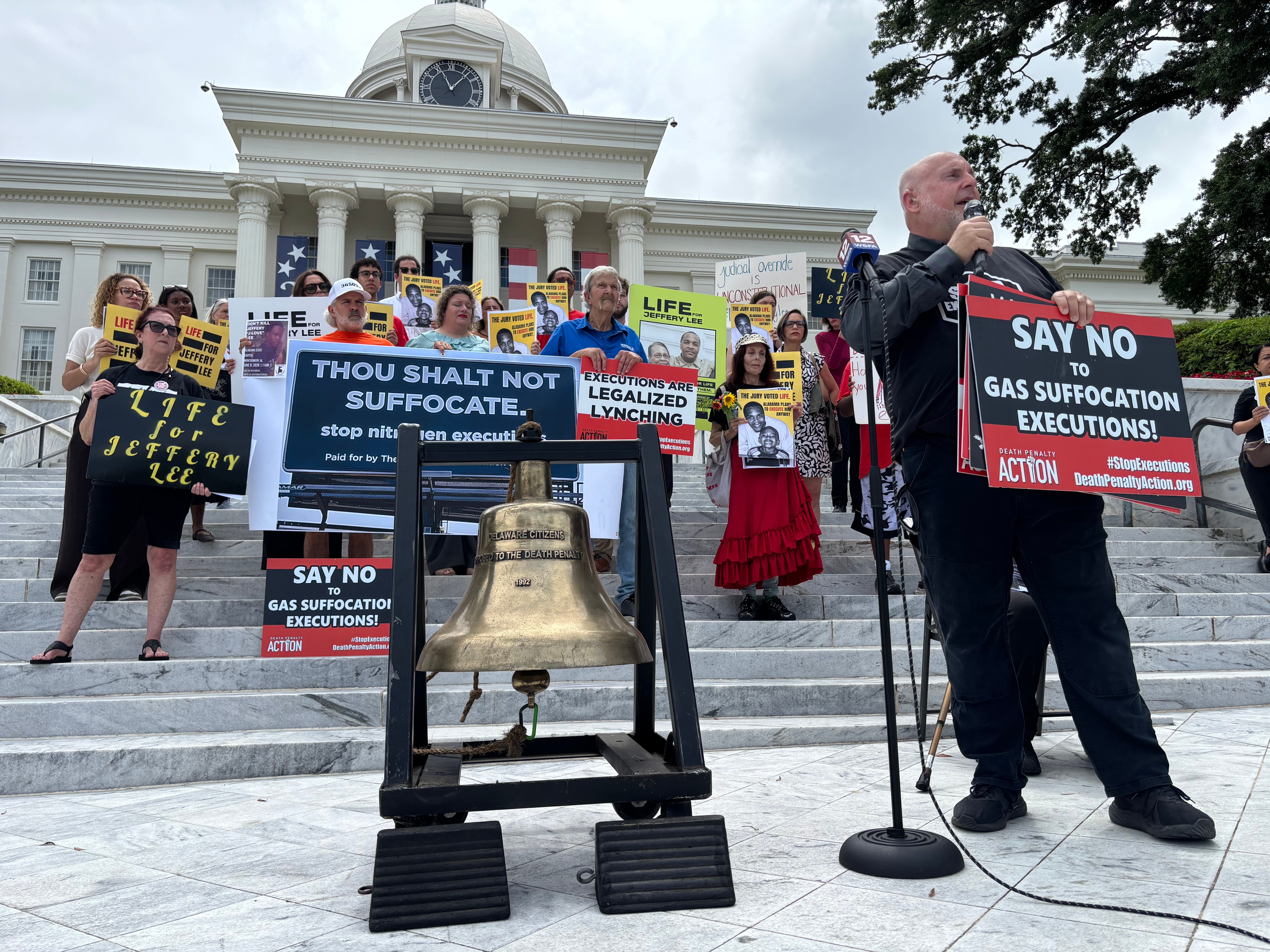
Outside the courthouse and the prison, the people who fight these cases treated the ruling as rare daylight. Abraham Bonowitz of the group Death Penalty Action had led a demonstration in Montgomery the day before, part of a movement that has spent years arguing that the search for a cleaner method is a distraction from the thing itself. Al Jazeera reported that the activists framed Lee’s reprieve not as a technical win but as a moment to ask why the machinery exists at all.
The objection has never been only American. United Nations human rights experts warned, when Alabama first reached for nitrogen, that killing a person by deliberate oxygen starvation could amount to torture under international law, and that no state should be pioneering it. That warning has sat uneasily against the image the United States likes to project of itself, a country that condemns such practices abroad while refining one at home.
What the ruling does not resolve is whether it will mean anything for long. Marks blocked this execution and this method, but a higher court could lift the order within days, as one already did once in this very case, and Lee’s reprieve could prove as temporary as the calendar it erased. The legal question of how much suffering the Constitution permits has no settled answer, only a moving line that each court redraws.
For now the gurney in the Alabama chamber stays empty, and the man who was scheduled to lie on it Thursday has a few more days that he was not supposed to have. Whether they become more than a few will be decided somewhere above Judge Marks, by people who have already shown they are willing to let the gas flow.