

DETROIT — Destiney Shaw did not expect to spend the early days of July in an emergency room. The food she had eaten in recent weeks seemed unremarkable, a salad, something ordered through a drive-through, but within days she was sick enough that intravenous fluids became necessary, her body unable to stay hydrated outside a hospital.
She is one of more than 300 Michigan residents now diagnosed with cyclosporiasis, a parasitic intestinal illness that has moved through the state with a speed that public health officials describe as well outside the ordinary. Michigan typically confirms roughly 50 cases of cyclosporiasis in a full year. Since June 22, the state has recorded more than 300 confirmed cases across 21 counties in fewer than two weeks, and investigators have not yet named a single food, restaurant, or supply chain as the source.
The Michigan Department of Health and Human Services and the Michigan Department of Agriculture and Rural Development are working with local health departments and federal agencies including the Centers for Disease Control and Prevention and the Food and Drug Administration to trace the contamination. “We are working closely with our state and local partners to identify the source of this outbreak that is making so many people ill as quickly as possible,” Lynn Sutfin, a spokesperson for the Michigan Department of Health and Human Services, said. What those officials have not been able to tell residents, as of July 4, is what to stop eating or where to stop eating it.
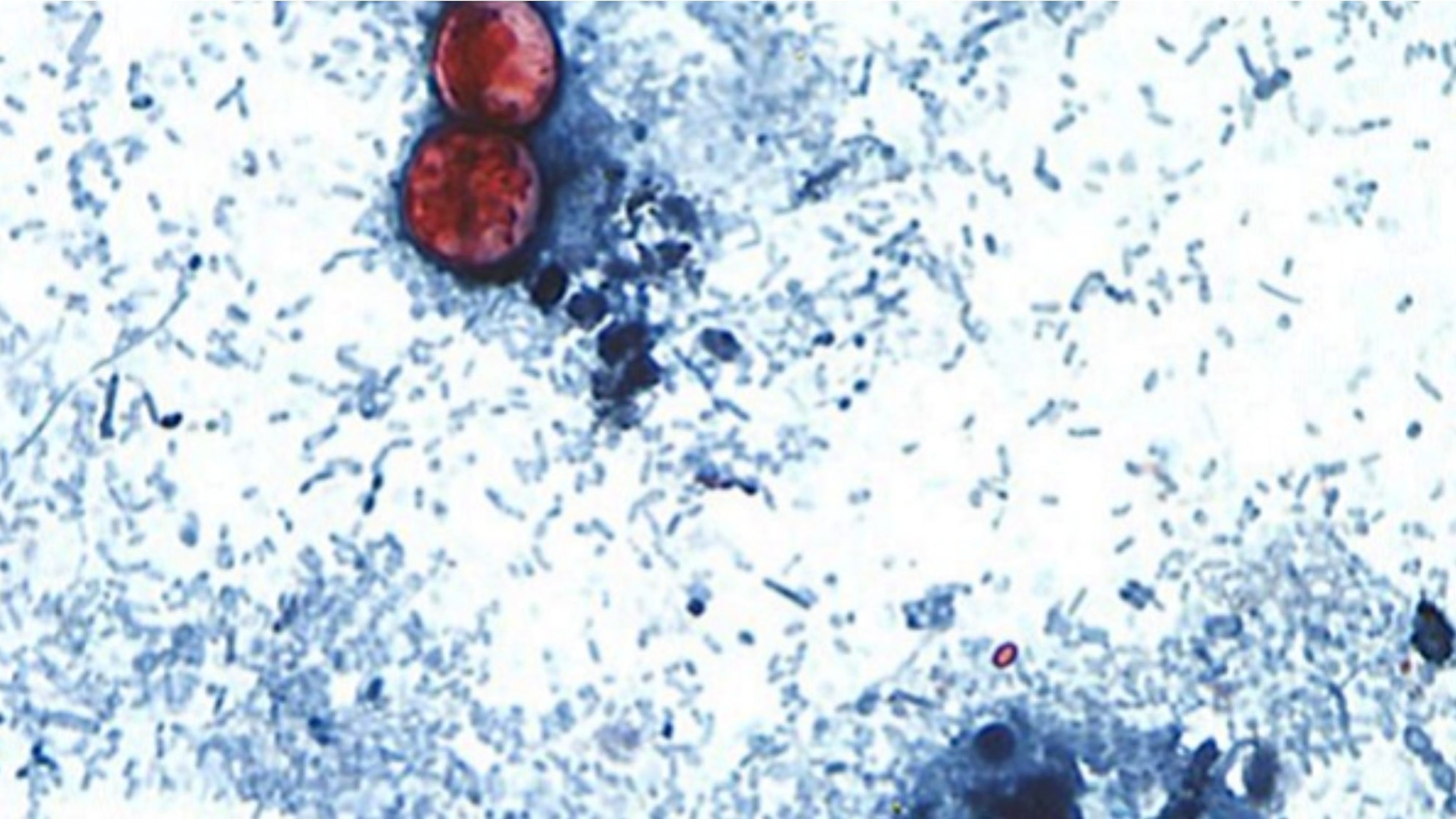
Cyclosporiasis is caused by Cyclospora cayetanensis, a microscopic parasite that infects the small intestine and spreads through food or water contaminated with feces. It does not pass from person to person directly: the parasite requires at least one to two weeks outside the human body before it becomes infectious, meaning every confirmed case traces back to something ingested rather than someone encountered.
That biology also makes the investigation difficult. The incubation period runs from two days to two weeks, so a patient experiencing symptoms today may have been exposed well over a week ago, when the contaminated food has long since been eaten, discarded, or purchased too far back to recover for testing. Foodborne outbreaks of cyclosporiasis in the United States have historically been linked to imported fresh produce, including raspberries, basil, cilantro, snow peas, and mesclun lettuce, ABC News reported. In this outbreak, patients have reported eating salads and fast-food items, but investigators have not yet traced the exposure to a specific product or vendor.
Dr. Matthew Sims, an infectious disease specialist at Corewell Health, told local media the distribution of cases pointed away from a single location. The scale of the outbreak, he said, suggested something further upstream in the food supply: a chain of restaurants drawing produce from a single distributor, or a single contaminated crop reaching multiple outlets across southeastern Michigan. The specific answer remains outstanding.
Monroe County, along Michigan’s southeastern border with Ohio, has recorded 92 confirmed cases, by far the highest concentration in the state. Lenawee County follows with 36, Washtenaw with 28, and Wayne County, which includes Detroit, with 27. Cases have also been confirmed in Jackson, Shiawassee, Ingham, and Oakland counties, with the outbreak spanning 21 of Michigan’s 83 counties in total. Patients range in age from 8 to 84 years old, with a median age of 41.
The illness announces itself with symptoms that several hospitalized patients described in unambiguous terms. Frequent watery and sometimes explosive diarrhea is the hallmark complaint, accompanied by severe abdominal cramping, nausea, fatigue, and significant weight loss. Lisa Vanhoose, who required hospitalization, told reporters the experience had been “very dangerous.” Stephanie Shaughnessy, also hospitalized, dealt with severe fatigue and nausea. Galenn Sekulich was symptomatic for a full week before a diagnosis was confirmed. The CDC has reported that at least 20 people have been hospitalized in the broader multistate outbreak of which the Michigan cases appear to be a part, though no deaths have been reported.
Michigan’s surge does not stand alone. As of mid-June, the CDC was tracking 145 separately reported cases of domestically acquired cyclosporiasis across 17 other states, representing people who became ill between May 1 and June 16. Federal investigators have said there is no evidence of a single multistate outbreak source linking all of those cases together. Whether Michigan’s cluster connects to the broader national picture or represents a distinct contamination event running in parallel has not been established. Michigan’s case count has now grown large enough to surpass the entire national figure the CDC was tracking before the state’s outbreak emerged.
Treatment is available and effective. The standard antibiotic for cyclosporiasis is trimethoprim-sulfamethoxazole, sold under the brand names Bactrim, Septra, and Cotrim, typically prescribed as a 10-day course. Most patients with otherwise healthy immune systems begin improving within several days of starting the drug, according to the CDC. Left untreated, the illness can persist for a few days to more than a month. Diagnosis requires a stool sample and specific laboratory testing, meaning patients who suspect exposure should raise the possibility explicitly with their healthcare provider, since standard panels may not detect it.
Dr. Natasha Bagdasarian, Michigan’s chief medical executive, has urged anyone experiencing prolonged or severe gastrointestinal symptoms to contact a healthcare provider promptly. Public health officials are advising residents to wash all fruits and vegetables thoroughly under running water, remove damaged areas before preparation, and scrub firm produce with a brush. The produce-washing guidance echoes recommendations issued in recent weeks alongside a listeria outbreak linked to a Maryland dairy and the northward expansion of Vibrio vulnificus, the flesh-eating bacterium now appearing in waters further north than its traditional range. The cyclosporiasis surge arrives as the CDC is also tracking a record early-season rise in West Nile virus nationally.
Dr. Avani Sheth of the Wayne County Health Department has said she expects confirmed case counts to continue rising as laboratory testing catches up with the pace of the outbreak. What Michigan residents do not have as of Independence Day 2026 is the single piece of information that would let them act: a specific food to stop buying, a restaurant to avoid, a product to discard. The investigation is ongoing. The source remains unnamed.