
WASHINGTON — The cheese sat in refrigerators across Maryland, New York and Virginia for at least three years before anyone traced the growing cluster of listeriosis cases back to the small dairy in Mechanicsville producing it.
The Centers for Disease Control and Prevention issued a public warning on Friday linking a multistate Listeria outbreak to requesón, a soft cheese similar to ricotta, produced by Clover Hill Dairy, LLC, of Mechanicsville, Maryland. Twelve people have been infected across four states, ten have been hospitalized, and one person has died. That death occurred in Maryland, where the dairy is based. All confirmed infections share the same bacterial DNA fingerprint, identified through whole genome sequencing by the CDC’s PulseNet laboratory network.
The outbreak’s timeline carries the harder part of this story. The first confirmed illness dates to March 6, 2023. The most recent is June 2, 2026. Over three years, Listeria monocytogenes circulated in Clover Hill Dairy products, spreading through farmers markets, third-party distributors and the company’s own retail market to consumers across at least six jurisdictions: Maryland, New York, Virginia, North Carolina, New Jersey and Washington, D.C. No coordinated federal recall came until this month.
On June 18, Clover Hill Dairy expanded its recall to cover all cheese products manufactured at its Mechanicsville facility, not only the requesón that triggered the initial alert. A second company, Nelson & Isa Lacteos, LLC of Bay Shore, New York, also recalled one-pound containers of requesón it had distributed to retail locations across New York between May 15 and May 28. Six product samples of requesón cheese and one environmental swab collected at the Clover Hill facility have tested positive for Listeria monocytogenes and matched the outbreak strain. Maryland state health officials have suspended Clover Hill Dairy’s operating license.
The CDC is urging anyone who has purchased Clover Hill Dairy cheese products of any variety to discard them immediately or return them to the store. The agency has explicitly advised against eating, selling or serving any of the recalled products.
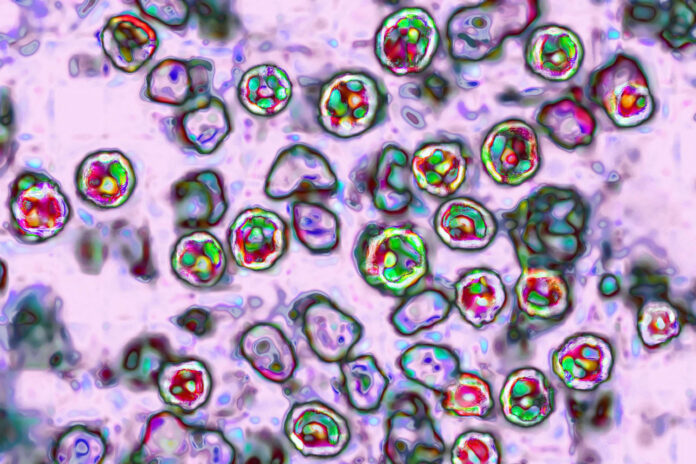
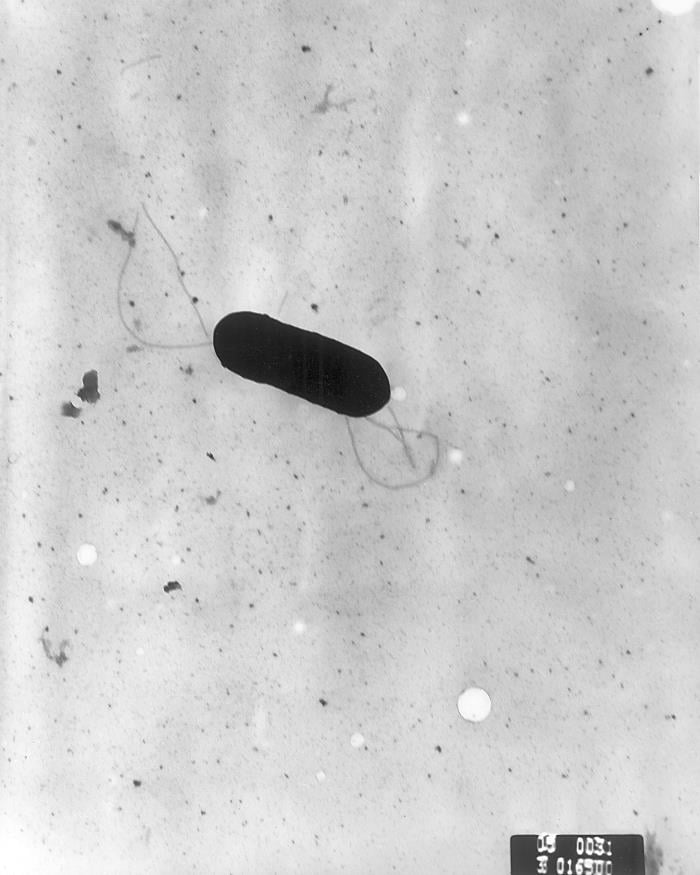
Listeria monocytogenes is not a pathogen the refrigerator stops. It grows at temperatures as low as 31 degrees Fahrenheit, making contaminated soft cheeses particularly hazardous among refrigerated foods. Symptoms typically appear within two weeks of exposure, though the incubation window spans from the same day to as long as ten weeks, wide enough that patients and their clinicians may not connect a current illness to something consumed weeks earlier. Mild symptoms include fever, muscle aches, nausea and diarrhea. Invasive listeriosis, in which the bacteria spread beyond the gut to the bloodstream or central nervous system, can cause headache, stiff neck, confusion, loss of balance and convulsions.
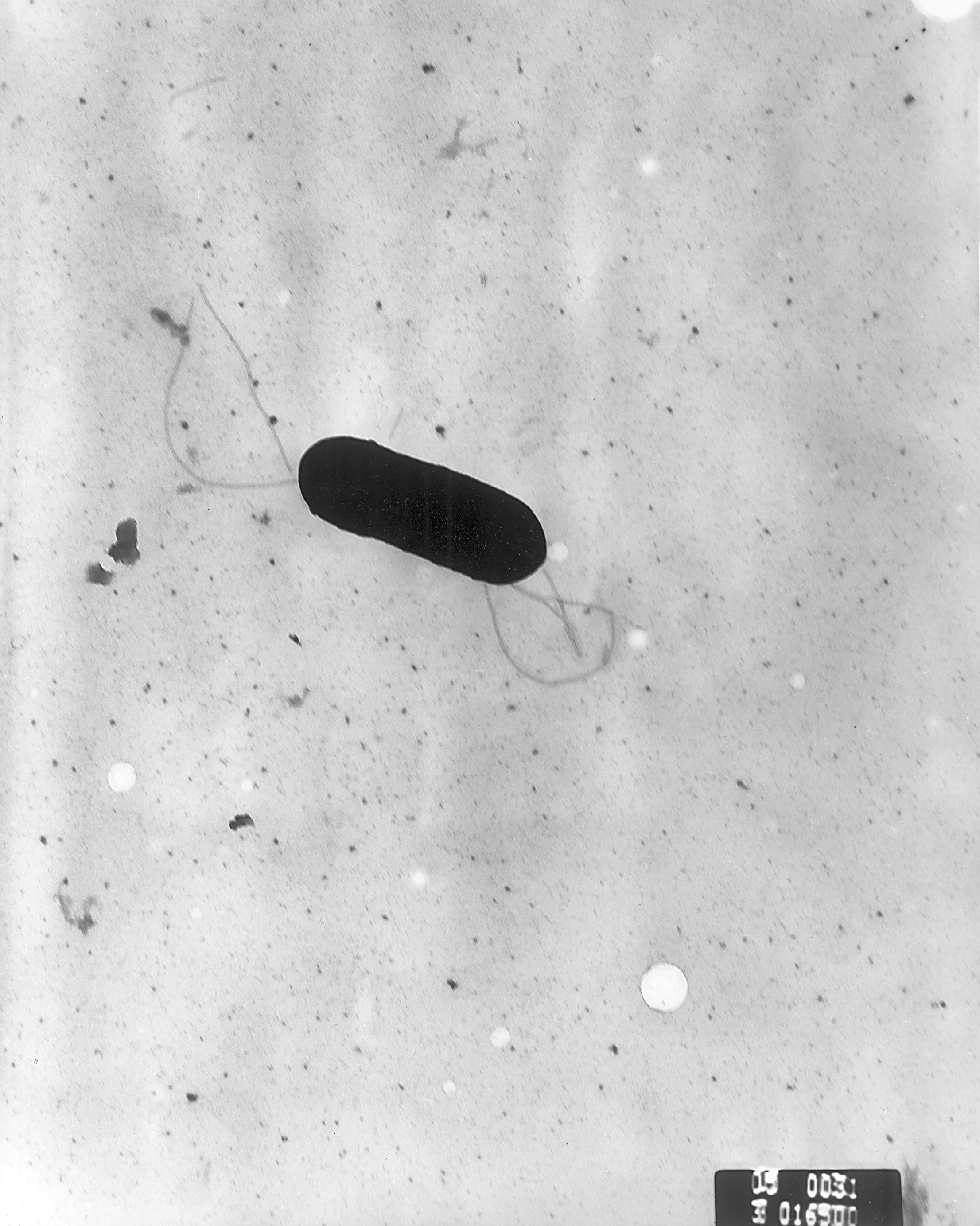
For most healthy adults, Listeria is an uncomfortable but survivable infection. For pregnant women, adults 65 and older, and the immunocompromised, it can be fatal. The CDC warns that Listeria infection can cause miscarriages and stillbirths. Older adults face a significantly elevated risk of invasive listeriosis, in which the infection spreads to the bloodstream or brain. The CDC has not publicly identified the victim who died.
Requesón is a soft, spreadable white cheese used widely in Mexican and Latin American cuisine. Sold unaged and in small batches, it moves through local markets, farmers markets and independent distributors rather than the centralized processing plants and large-scale retail chains that characterize mass-produced dairy. That distribution pattern may have slowed recognition of a common source: cases in Maryland, New York, Virginia and Illinois did not share an obvious retail chain connecting them. The link emerged only when PulseNet found a genetic match between the pathogen recovered from patient samples and the pathogen detected in the cheese.
PulseNet, the CDC’s national database of bacterial DNA fingerprints, has been central to identifying foodborne outbreaks of this kind. The network’s ability to detect cases early depends on how consistently clinical and food samples are submitted and sequenced across the country. This outbreak was in the food supply for more than three years before that sequencing surfaced a common origin.
The outbreak is not operating in isolation. Federal food safety investigators are simultaneously pursuing a botulism contamination tied to Nara Organics infant formula that hospitalized three babies across California, Pennsylvania and Washington this month, drawing a full recall of every lot the company makes, with laboratory results from the implicated batches still weeks away. A separate Listeria event linked to prepared pasta meals killed seven people and hospitalized 27 more across 19 states before the CDC declared it over earlier in 2026.
These concurrent investigations are unfolding against a backdrop of broader public health pressure. The United States is tracking a measles caseload that has topped 2,000 for the first time in decades, with federal health agencies managing a surveillance workload that shows no sign of easing as summer travel season begins.
What the CDC’s public warning does not address is the inspection trail. How many times the Clover Hill Dairy facility was inspected between March 2023 and May 2026, what those inspections found, and why Listeria contamination persisted in the production environment for more than three years without triggering mandatory action are questions this outbreak has not yet answered publicly. Maryland state officials suspended the operating license only after the CDC had already confirmed the pathogen in six product samples, not before.
The Food and Drug Administration is investigating in parallel and has published an ongoing outbreak investigation page with traceback data. Consumers seeking to confirm whether a product purchased at a farmers market or independent grocery in the mid-Atlantic region falls within the scope of the recall are advised to check the FDA’s recall listings or contact the Maryland Department of Health directly, as the complete distribution list for products sold through unspecified retail locations continues to be compiled.
For now, the agency’s message is unambiguous: any cheese bearing the Clover Hill Dairy name should not be eaten.