
TL;DR: The Pentagon on Wednesday ordered all military branches to again mandate flu vaccinations for recruits, reversing Defense Secretary Pete Hegseth’s April decision to make the shots optional. The reversal follows a weekslong flu outbreak at Lackland Air Force Base in San Antonio, Texas, that has sickened at least 275 recruits and killed trainee Keon McDaniel, who died on June 16. The flu-shot requirement Hegseth removed had been in place since 1945. Only 40 percent of trainees opted for the vaccine once it became voluntary.
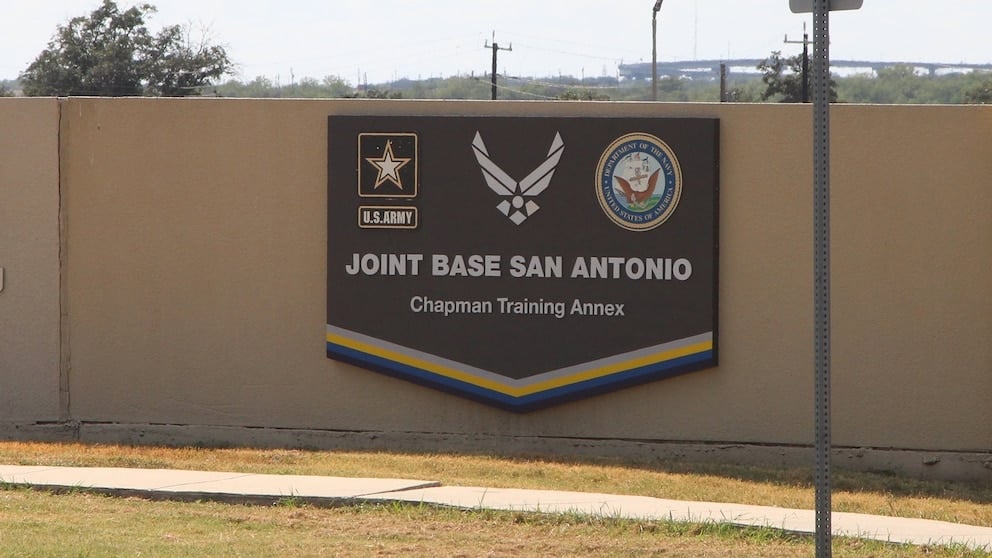
SAN ANTONIO – The day Keon McDaniel died in a military hospital in San Antonio on June 16, just days after a medical emergency put him in critical care, the flu outbreak spreading through Lackland Air Force Base’s barracks had not yet reached the case counts that would eventually force a policy reversal at the Pentagon. He was a basic training recruit at the country’s main Air Force training hub, in a cohort whose vaccination rate against influenza had, two months earlier, gone from 100 percent to about 40.
By Wednesday, 275 flu cases had been confirmed at Lackland, up from 222 the day before and 159 the week before. Four others had been hospitalized. The Pentagon, in a move that walked back one of Defense Secretary Pete Hegseth’s most consequential early decisions, announced that all military branches would once again require flu shots for recruits.
The reversal ends a two-month experiment in voluntary vaccination that began when Hegseth removed the flu shot requirement for service members in late April. That mandate had been in place since 1945. It took less than two months, and a growing outbreak at the country’s biggest basic military training installation, for the policy to be overturned.
The Air Force had actually sought to reinstate mandatory flu shots for new trainees before the Lackland outbreak reached the public’s attention. CNN reported that the service submitted its request to Pentagon leadership weeks before the case counts at Lackland entered public record. Acting Pentagon Deputy Secretary Joseph Tata approved that request on June 11, but by that point the outbreak had already been spreading through a recruit population where most trainees had simply declined the shot.
When the flu shot became optional, only about 40 percent of new trainees at Lackland accepted it, according to Air Force officials. For seven decades, that figure had been 100 percent, because it was not a choice. In a training environment where recruits live in close quarters, share communal showers, and move through drills in close physical contact, a 60 percent gap in vaccination coverage created exactly the transmission pathway an influenza virus required.
The Army, Navy, and Air Force have each now been granted exceptions to Hegseth’s April policy and are again mandating flu shots for basic trainees, ABC News reported. Both the Army and the Navy confirmed they had sought similar exceptions, covering not only recruits but also troops deploying overseas, healthcare workers, and child care workers at military facilities.
Public health researchers have noted that the Lackland outbreak is a textbook demonstration of what happens when immunization rates fall below the threshold needed to interrupt transmission in high-density residential settings. Influenza typically circulates most intensely in winter months, but a confined training environment where hundreds of recruits share barracks and undergo physically demanding conditioning can sustain year-round spread when vaccination coverage drops. The CDC recommends annual flu vaccination for all adults in group settings precisely because of this dynamic, a recommendation that military training environments enforced with the force of policy rather than persuasion for eight decades before April.
Hegseth framed the April rollback as an exercise in “medical freedom” for service members, using language that has become standard in arguments against mandatory vaccination across the United States. The speed with which the Pentagon reversed course drew sharp criticism from public health advocates and lawmakers. Representative Joaquin Castro, whose district includes San Antonio, said last week that the Air Force had confirmed 222 cases in a single day and demanded answers from Pentagon leadership. The White House did not address the reversal publicly before publication.
What the Pentagon has not confirmed is whether McDaniel’s death was caused by influenza. The Air Force has said only that he experienced a medical emergency and that circumstances are under review. His connection to the broader outbreak has not been established through official channels. Whether the optional vaccination policy generated unreported clusters at other military training installations, where the same policy applied throughout April and May, also remains unclear.
The flu outbreak at Lackland is one of several concurrent public health situations the federal government is managing simultaneously. The CDC is investigating a Listeria outbreak linked to a Maryland dairy that has infected 12 people and killed one, with contamination traced back to 2023. Meanwhile, a measles case count that has topped 2,000 for the first time in decades is placing additional pressure on agencies managing an unusually broad surveillance burden as summer travel peaks.
The mandate Hegseth removed in April was not designed for a different era of medicine. It was designed for an environment precisely like Lackland, where the logic of collective protection operates whether or not the individuals sharing a barracks accept it as a principle. That logic produced the mandate in 1945. It produced the outbreak in 2026. The difference is that the second time around, the consequences arrived before the policy was restored rather than after.