
LEANDER, Texas — At 12:01 in the morning on Wednesday, Brandon Herrera walked up to a counter at Silencer Shop’s store north of Austin, handed over roughly $1,200 for a suppressor, and left carrying it without signing a single federal form. No registration was filed. No government file was created. No entry was made in any national database. It was the first time any American had done that legally since 1934.
The transaction was choreographed for maximum historical weight (cameras present, witnesses assembled, Congressman Andrew Clyde of Georgia standing in the room) and it marked the practical conclusion of a legal campaign that dismantled one of the foundational frameworks of American gun regulation. On August 5, United States District Judge James Wesley Hendrix, a Trump appointee in the Northern District of Texas, ruled that registration requirements for suppressors and short-barreled firearms under the National Firearms Act were unconstitutional. The Trump Justice Department, given until midnight Tuesday to appeal, filed nothing. The law, in its relevant part, had lapsed.
“This is the first time in 92 years that any gun owner has been able to do this,” said Aidan Johnston, federal affairs director for Gun Owners of America, the organization whose lawsuit produced the ruling.
What made the ruling possible was a provision embedded in the massive tax and spending package Republicans passed last year. The One Big Beautiful Bill reduced the transfer tax on suppressors and short-barreled firearms, the constitutional mechanism holding the National Firearms Act together since 1934, to zero, effective January 1, 2026. Gun rights organizations filed suit immediately, arguing that a registration regime without a functioning tax had lost its constitutional basis. Judge Hendrix agreed.
The National Firearms Act was signed into law in 1934, forged from the gangland violence of Prohibition and the political anxieties of that era. It imposed a $200 transfer tax and mandatory federal registration on a defined category of weapons: machine guns, suppressors, short-barreled rifles, short-barreled shotguns, and a class known as any other weapons. The $200 tax was designed as much to make these weapons prohibitively expensive as to raise revenue; in 1934 it exceeded the cost of many of the guns it regulated. The Supreme Court upheld the Act under Congress’s taxing power, and that constitutional anchor held for nearly nine decades. Possession of an unregistered NFA item carried penalties of up to ten years in federal prison and $250,000 in fines per violation.
Those penalties remain on the books. Whether prosecutors can now enforce them against owners of unregistered suppressors, after a court has found the registration scheme itself unconstitutional, is a question the federal judiciary has not yet had to answer. Judge Hendrix was explicit that the remedy does not lie with the courts: “Efforts to render the NFA constitutional must come from Congress, not this Court.”
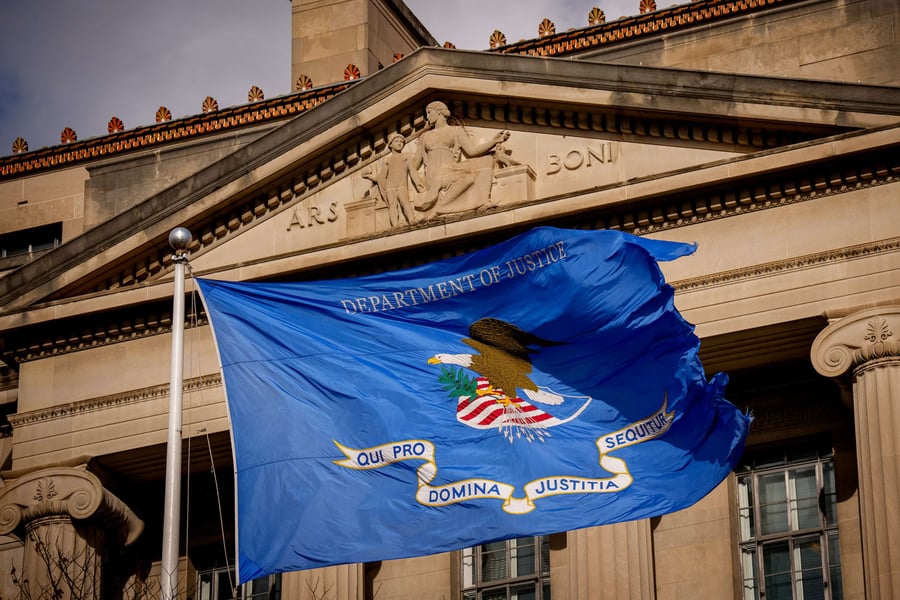
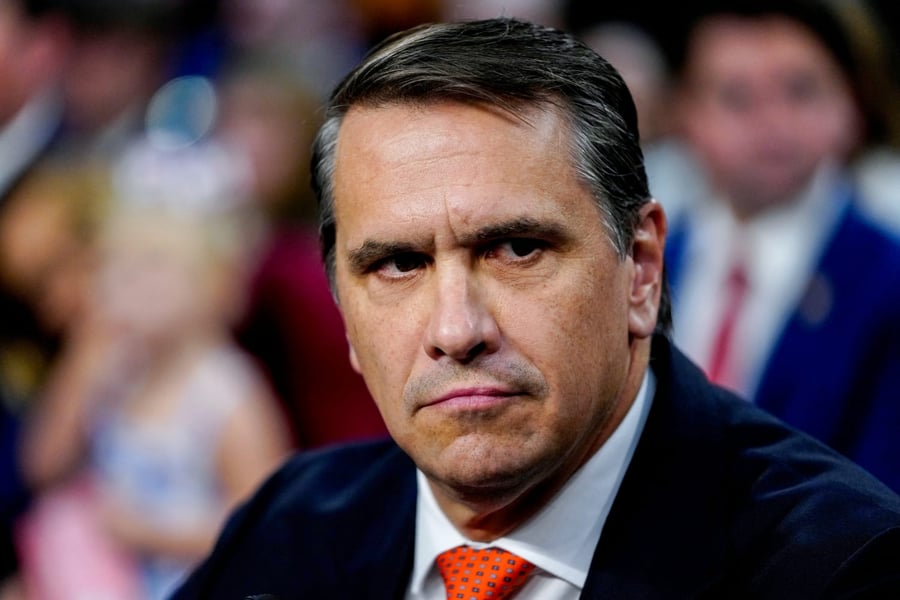
Attorney General Todd Blanche had been urged for weeks by Republican congressional allies, led by Clyde, who organized a coalition of lawmakers, to stand aside and not contest the ruling. Blanche complied. The Justice Department confirmed it would not seek an appeal, and the midnight deadline passed without a filing. Clyde, who attended the Silencer Shop event in Leander in the early hours of Wednesday, described the outcome in terms reserved for constitutional history. “Literally, the greatest Second Amendment win in the history of our country,” he said.
Erich Pratt, the senior vice president of Gun Owners of America, was more measured but no less absolute in framing the decision. “The era of federal registration for constitutionally protected arms must end,” he said. For the gun rights movement, the midnight hour in Leander represented a reversal of nearly a century of federal presumption that the government had the authority to track, tax, and regulate who owned these particular weapons.
The response from gun safety advocates was sharp. Emma Brown, executive director of Giffords, the organization founded by former Representative Gabrielle Giffords after her near-fatal shooting in 2011, said the gun control framework built over generations had been eroded by deliberate policy. “Congress put these safeguards in place nearly 100 years ago,” Brown said. “The Department of Justice’s decision is a failure to defend public safety.” The organization warned that similar lawsuits pending in other jurisdictions could extend the ruling beyond suppressors to additional NFA-regulated weapon categories, setting off a domino effect that dismantles what remains of the federal registration system. As Fox News reported, gun rights groups were already planning to use the ruling as a template for challenges to other NFA provisions.
Twenty-seven states moved within hours to comply with the ruling, allowing suppressor sales without federal registration. Fifteen states, including California, indicated they would continue requiring customers to file federal transfer forms, a practice whose legal status in the new landscape is unresolved. The suppressor and firearms accessory industry, led by Silencer Shop, SilencerCo, Palmetto State Armory, and B&T USA, moved quickly to process transactions that had been impossible since the Depression era.
The ruling left substantial questions unresolved. It covers suppressors and short-barreled firearms, but the scope of the deregulation in states that have enacted their own NFA-analogous regulations remains disputed. The Trump administration’s declining to appeal does not prevent other parties, including state attorneys general and gun control organizations, from seeking to restore the regulations through new litigation or legislation. The Supreme Court, which has not weighed in on the NFA question since the 1930s, could eventually take up a case that reshapes whatever the lower courts establish.
What is established is that the One Big Beautiful Bill contained within it a provision that the gun rights movement knew would disable the constitutional mechanism holding the NFA together. The Justice Department under Todd Blanche chose not to test whether the judiciary would preserve a law stripped of its foundational tax. That choice reaches further than suppressors. It establishes a posture, executive non-defense of contested statutes, whose implications for other areas of federal gun regulation remain to be seen.