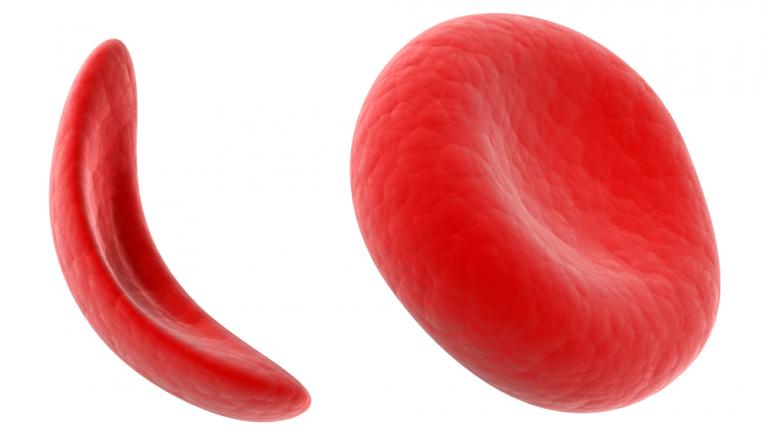

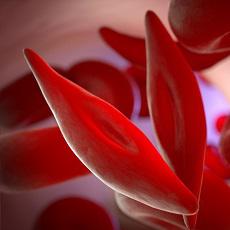
WASHINGTON – Before a child with sickle cell disease turns two, the crisis episodes may have already started. The pain arrives without warning, sudden and searing, when clusters of crescent-shaped blood cells block circulation to the bones, the chest, the abdomen. A crisis can last hours or days. The organ damage it leaves behind accumulates quietly between episodes until a therapy applied years later finds it has arrived after much of the work was done. On July 1, the Food and Drug Administration moved to close that window.
The agency issued a supplemental approval for Casgevy (exagamglogene autotemcel), the world’s first CRISPR/Cas9 gene therapy originally cleared in December 2023 for patients 12 and older, extending it to patients as young as 2 with sickle cell disease with recurrent vaso-occlusive crises, or with transfusion-dependent beta thalassemia. The FDA’s announcement stated that the expansion covers roughly 5,500 additional children in the United States who might otherwise spend their earliest years accumulating damage that a therapy applied later cannot undo.
Casgevy works by removing a patient’s own blood stem cells and deploying CRISPR/Cas9 molecular scissors to make a precise cut in the BCL11A gene at its erythroid-specific enhancer region, a genetic switch that normally suppresses fetal hemoglobin production after birth. When it is disabled, the fetal form of hemoglobin, which does not cause red blood cells to sickle, is reactivated. The edited cells are returned to the patient as a one-time intravenous infusion, where they engraft in the bone marrow and begin producing functional red blood cells. The procedure requires chemotherapy conditioning first to clear bone marrow space for the new cells, but it is a single course of treatment.
The evidence for the pediatric expansion came from the ongoing phase 3 CLIMB-141 and CLIMB-151 trials. In CLIMB-141, which enrolled 11 patients aged 5 to 11 with sickle cell disease, all eight efficacy-evaluable patients achieved the primary endpoint: no severe vaso-occlusive crises for at least 12 consecutive months within the first 24 months after receiving Casgevy. The beta thalassemia arm, CLIMB-151, enrolled 15 patients aged 5 to 12; eight of nine evaluable patients achieved transfusion independence for a minimum of 12 consecutive months, with a median transfusion-free duration of 20.1 months. On the basis of those results and pharmacokinetic modeling, the FDA extended the therapy’s eligibility to children as young as 2.
Haydar Frangoul, MD, MS, medical director at HCA Healthcare’s Sarah Cannon transplant program and a principal investigator in the trials, described the expansion as a recalibration of when intervention becomes possible. For families of young children with sickle cell disease, the treatment decision has long carried a difficult arithmetic: wait, and risk damage accumulating; pursue the available therapies, and weigh their own limitations and toxicities. Frangoul told reporters that the approval would allow clinicians and families to consider Casgevy “before years of cumulative damage from these life-shortening diseases take hold.”
The FDA approved the supplemental application 53 days after filing, a timeline reflecting the therapy’s designations of Orphan Drug, Regenerative Medicine Advanced Therapy, and Fast Track status, and its selection as the eighth approval under the Commissioner’s National Priority Voucher pilot program. Megha Kaushal, MD, MSc, acting deputy director of the Office of Therapeutic Products in FDA’s Center for Biologics Evaluation and Research, pointed to end-organ preservation as the clinical rationale: earlier treatment, the agency stated, reduces the risk of lasting damage. Karim Mikhail, acting director of CBER, said that children as young as 2 can now access what the FDA characterized as a critical treatment option, language the agency tends to reserve for therapies where delay carries measurable clinical cost.
Vertex Pharmaceuticals, which developed Casgevy alongside CRISPR Therapeutics, positioned the approval against the company’s history in another hereditary disease. In a statement accompanying the approval, CEO Reshma Kewalramani said that “just as we redefined what is possible in cystic fibrosis, our ambition is to transform the future for people living with sickle cell disease and transfusion-dependent beta thalassemia.” Vertex spent roughly two decades building its cystic fibrosis franchise and has applied a similar commercial and manufacturing infrastructure to Casgevy’s rollout.
Sickle cell disease affects roughly 100,000 Americans, with about 1,800 affected births identified each year through CDC newborn screening programs. More than 90 percent of patients are non-Hispanic Black or African American. The disease was first described clinically in 1910, making it among the longest-documented genetic conditions in modern medicine and one of the last to receive a genuinely curative therapy. The vascular injuries it inflicts are cumulative and start early: sickle cell disease is a leading cause of stroke in children in the United States, and the mechanisms by which sickling damages small blood vessels remain an active area of research. Work published this month by scientists at the University of Edinburgh found that small vessel injury driving a quarter of all strokes operates through abnormal vessel widening rather than fatty plaque buildup, challenging decades of standard treatment assumptions for the class of vascular damage that overlaps with sickle cell’s own neurological footprint.
What the approval does not resolve is the question that has shadowed Casgevy since December 2023: access. The therapy carries a list price of approximately $2.2 million for a single treatment course. Medicaid covers the majority of sickle cell patients in the United States, given the disease’s concentration in Black and lower-income communities, and reimbursement for a therapy at that price in children as young as 2 is not uniform across states. Vertex and CRISPR Therapeutics have pointed to outcome-based agreements and access programs, but the mechanics of those arrangements for a toddler in an underfunded pediatric hematology program are not spelled out in the FDA’s approval document.
The agency’s 53-day review reflects its assessment of the clinical data. It does not govern how quickly a hospital system, an insurance plan, or a two-year-old patient’s family will be able to reach the treatment. That gap has been the defining unresolved tension of sickle cell gene therapy since the first adult approvals, and the expansion to children as young as 2 does not close it. Whether the roughly 5,500 newly eligible children are treated in numbers proportionate to the trial results is a question the July 1 announcement, for all its clinical precision, leaves open.