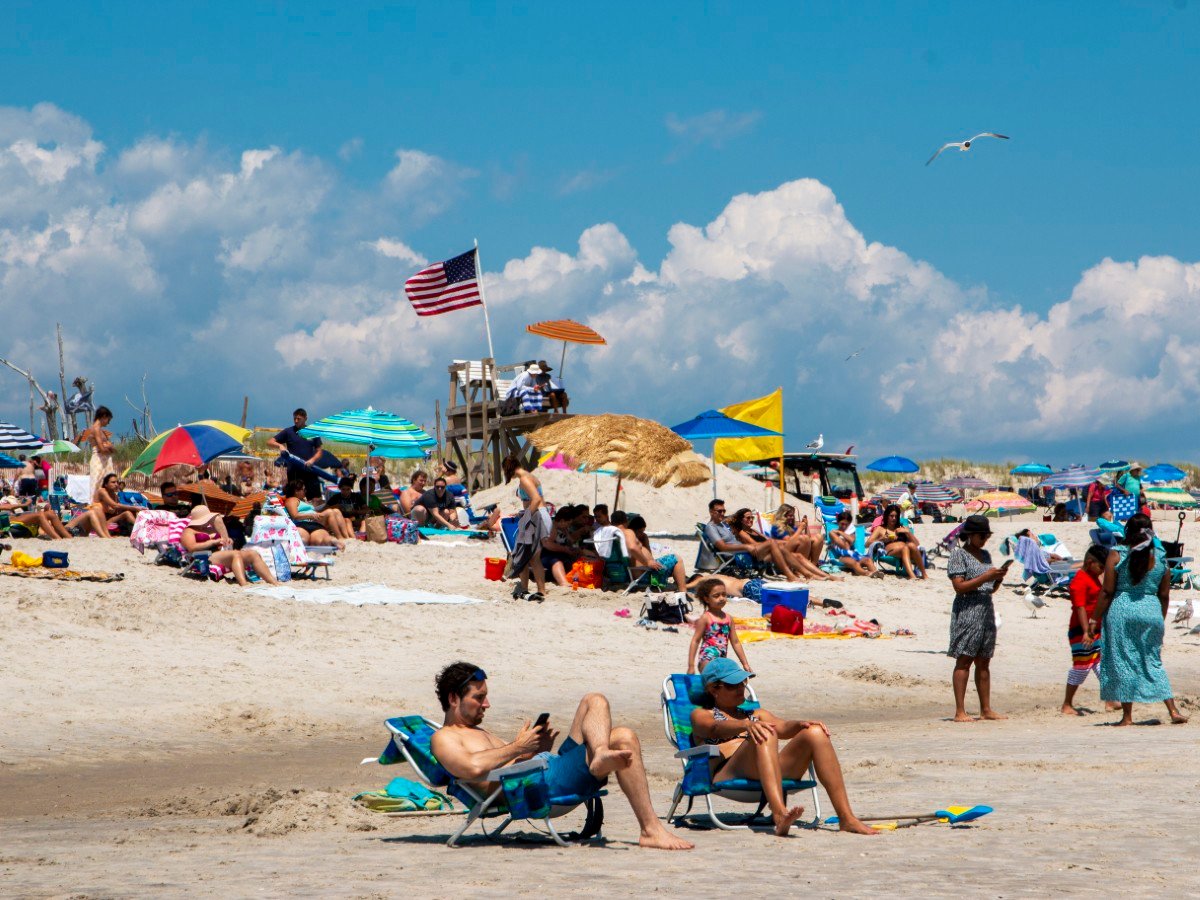

SOUTHAMPTON, N.Y. — On the July 4 weekend that draws millions to Long Island’s beaches, public health officials and coastal researchers are carrying a warning that cuts against the holiday mood: a potentially lethal bacterium has been detected in several estuaries near the Hamptons, and anyone with an open wound who enters the water could be at serious risk.
The bacterium is Vibrio vulnificus, a naturally occurring marine pathogen that thrives in warm, brackish water. This spring, researchers from Stony Brook University detected it in Sagaponack Pond, Mecox Bay, and Georgica Pond, three bodies of water on Long Island’s South Fork that feed into the coastline popular with summer visitors. Southampton Town Trustees issued a public advisory in April, warning that the bacteria could be present in these estuaries throughout the warmer months.
The advisory does not amount to a beach closure. Vibrio vulnificus poses almost no risk to a healthy person swimming in open water with unbroken skin. The danger sharpens considerably for people with chronic liver disease, diabetes, or a compromised immune system, and for anyone who enters contaminated water with even a small open wound, a fresh tattoo, or surgical sutures. For those individuals, what begins as redness and swelling around a wound can progress to sepsis within 24 to 48 hours.
“My advice is not to panic, but to take the risk seriously,” R. Sean Norman, director of the Molecular Microbial Ecology Laboratory at the University of South Carolina, said of the findings.
The Centers for Disease Control and Prevention estimates that roughly one in five people who develop a Vibrio vulnificus infection die from complications. The agency advises that treatment begin immediately upon a suspected wound infection. Waiting for laboratory confirmation is dangerous: the bacteria can destroy tissue and enter the bloodstream faster than most antibiotics can clear it.
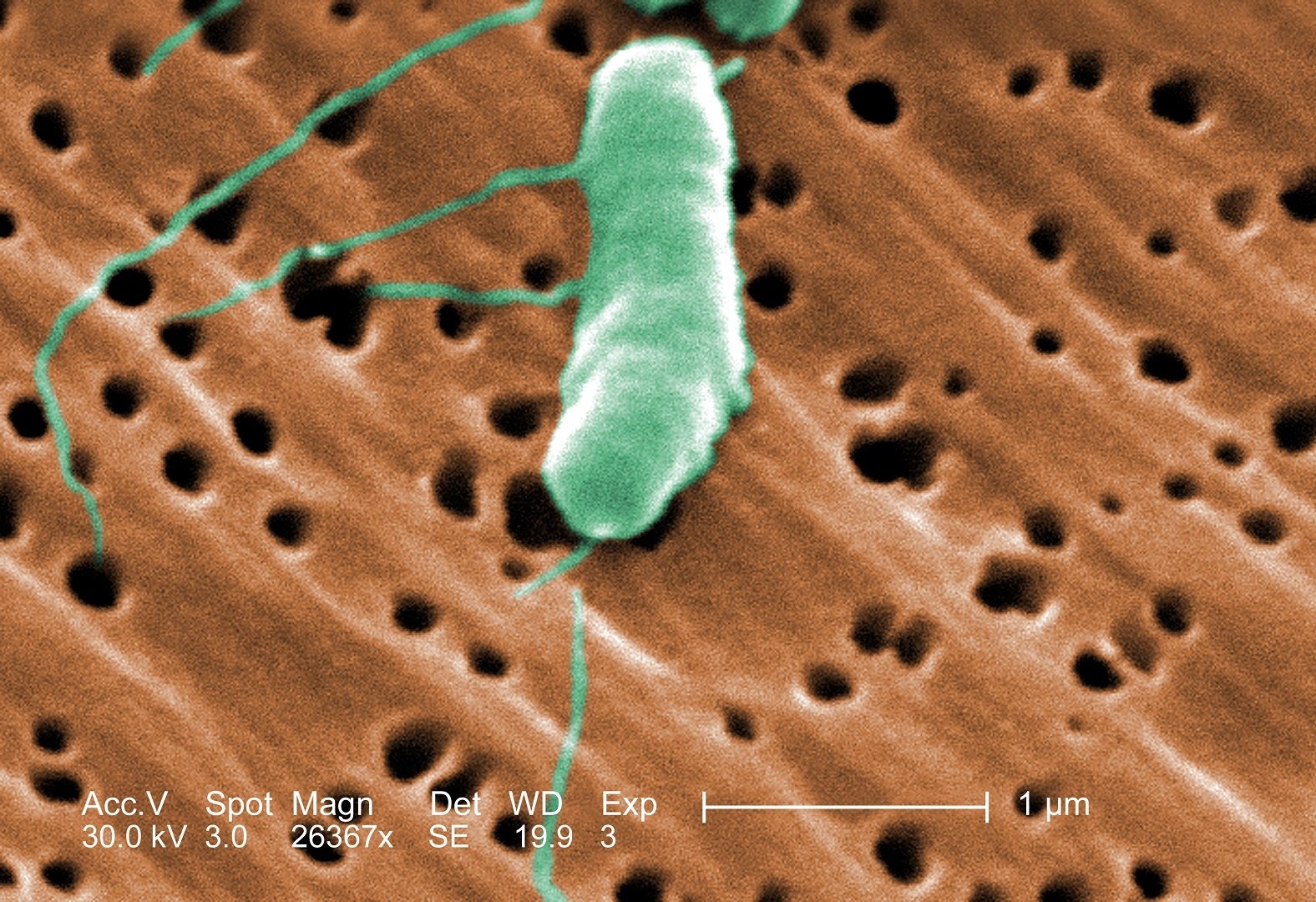
The pathogen is not new to the United States. For decades it was concentrated along the Gulf Coast and Florida, where water temperatures remain warm for much of the year. What has changed is its range. Research published in Scientific Reports documents that between 1988 and 2018, wound infections on the Eastern Seaboard increased eightfold, from roughly 10 to 80 annual cases, and the northern boundary of documented cases shifted approximately 48 kilometers northward each year. Florida had already recorded at least eight confirmed Vibrio vulnificus cases in 2026 by early June, CBS Miami reported, compared to five during the same period in 2025. Health officials in Mississippi issued a precautionary warning in June.
Christopher Gobler, a coastal ecologist at Stony Brook University and the lead researcher behind the Long Island findings, has since said that some press accounts overstated the immediacy of the risk. He spent 30 minutes presenting on a range of water quality threats at a public research event and devoted roughly 30 seconds to Vibrio vulnificus. He later told the East End press he was upset by how that fraction of his presentation had been amplified into what felt like a region-wide emergency. The bacteria requires very warm, brackish water conditions and must physically enter the body through a wound or through the consumption of raw shellfish. Contact with the water alone does not cause infection.
Still, Gobler’s underlying finding stands: Vibrio vulnificus is now present in Long Island estuaries in concentrations and during seasons when it historically was not. The scientific consensus points to one driver. Ocean waters absorb more than 90 percent of the excess heat generated by greenhouse gas emissions, and as surface temperatures in Long Island Sound and the Atlantic bays rise through summer, conditions that once existed only in the Gulf of Mexico for extended periods are now forming in New York waters. The bacteria begins multiplying rapidly once water temperature crosses 60 degrees Fahrenheit and can reproduce every 20 minutes in unrefrigerated shellfish.
“We see Vibrio as the indicator for climate change,” Kyle Brumfield, a microbiologist at the University of Maryland who has studied the bacteria for a decade, told the North Carolina Health News.
A parallel concern involves the federal government’s capacity to detect and respond to infections when they occur. The Trump administration ended mandatory Vibrio reporting through the CDC’s FoodNet surveillance network this year, making case reporting voluntary for the ten states that participate in the program, CBS News reported. The administration also began removing deep-sea oceanic monitoring instruments that track water temperatures, data used to predict conditions favorable for bacterial growth. That removal plan was reversed following bipartisan Congressional opposition, though the Vibrio-specific surveillance changes remain in place.
Tom Frieden, who served as CDC director from 2009 to 2017 and now leads the global health initiative Resolve to Save Lives, said the United States was “letting down defenses that were necessary to protect against microbial threats.” The rollback of infectious disease monitoring has drawn concern across multiple public health fronts in 2026, from measles outbreaks in South Asia to Ebola cases in Central Africa that required emergency response from international health institutions.
What the public health community does not yet know is how many cases will be confirmed in New York this year. With reporting now voluntary, the gap between actual infections and documented ones is likely to widen. Three deaths were associated with Vibrio vulnificus in 2023, one on Long Island and two in Connecticut, but no cases have been formally confirmed in New York since. Whether infections are genuinely absent or simply going undetected is a question the current surveillance framework may not be equipped to answer.
The practical guidance for people planning to swim on the South Fork this weekend is specific. People without open wounds, recent surgical procedures, or immune-compromising health conditions can enter the water with low risk. For anyone in those categories, health experts recommend avoiding the brackish ponds and bays identified in the Stony Brook advisory, covering any wound with a waterproof bandage if contact with saltwater is unavoidable, and seeking immediate medical attention for any wound that becomes unusually red, swollen, or painful after contact with seawater. Raw oysters from coastal Long Island waters can also carry Vibrio vulnificus. Cooking shellfish thoroughly is the only reliable protection for people in high-risk groups.
Related Posts