
BERLIN — He walked out of Charité hospital on Saturday with his wife and four children, seventeen days after being admitted in isolation with one of the rarest and most dangerous strains of the Ebola virus the world has seen this century. Dr. Peter Stafford, a 39-year-old American missionary surgeon, did not know he had Ebola when he performed the operation that infected him. Nobody did.
Stafford had been working at Nyankunde Hospital in Bunia, in eastern Democratic Republic of Congo, when a woman arrived with a high fever and severe abdominal pain. The case presented like a ruptured appendix or an inflamed gallbladder — something a surgeon sees and operates on. The woman died the next day. She was buried before a test could be run. It was only afterward, when the Bundibugyo ebolavirus outbreak was officially declared on May 15, that the pieces came together. Stafford had likely been exposed to the virus through bodily fluids during surgery, without knowing what he was treating.
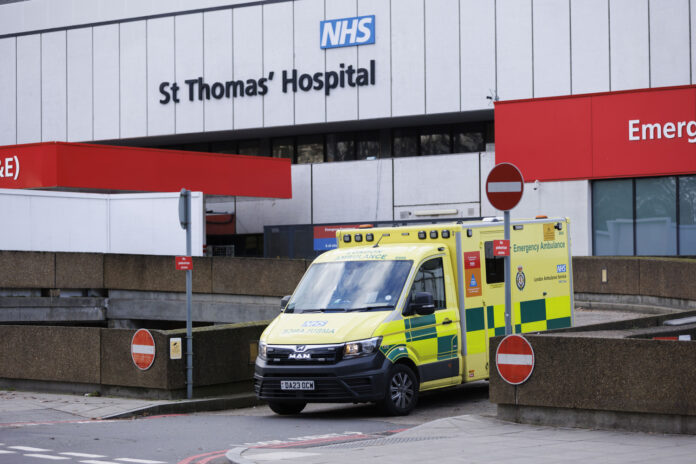
What followed was a logistical and medical ordeal that briefly became a diplomatic flashpoint. According to a Washington Post report citing five people familiar with the matter, US authorities initially refused to allow Stafford to be repatriated, delaying his evacuation before Germany agreed to take him. The White House called that account “absolutely false.” Stafford was airlifted to Berlin on May 19 — four days after the outbreak was declared — and admitted that day to Charité’s high-level isolation unit, one of the most advanced biocontainment wards in Europe.
The hospital described his symptoms on admission as “pronounced.” His viral load was high. Charité’s infectious disease team administered combined antiviral therapy alongside supportive medical care — the hospital did not specify which antivirals were used, a significant detail given that no treatment is specifically approved for the Bundibugyo strain. The therapy worked faster than the clinical picture on admission had suggested it might. Within the first week, Stafford’s condition had improved substantially. “The initially high viral load decreased substantially under antiviral treatment and supportive care,” Charité said in its statement Saturday.
By May 30, daily PCR tests showed no detectable virus. The hospital maintained monitoring for another week, meeting the internationally accepted discharge criteria: complete absence of symptoms for more than 72 hours and negative viral detection on repeated tests. On Saturday, the public health authority lifted the isolation order. Stafford was reunited with his five family members — his wife, Dr. Rebekah Stafford, also a physician with the Serge missionary organization, and their four children, two of them toddlers. None developed symptoms during their quarantine in a separate section of the unit.
“We are very pleased with the successful course of treatment and consider this a significant therapeutic success,” said Leif Erik Sander, director of the Department of Infectious Diseases and Critical Care Medicine at Charité, in a statement released by the hospital. “On behalf of the entire team, we thank all participating specialties and departments that made the successful treatment in the specialized isolation unit possible.”
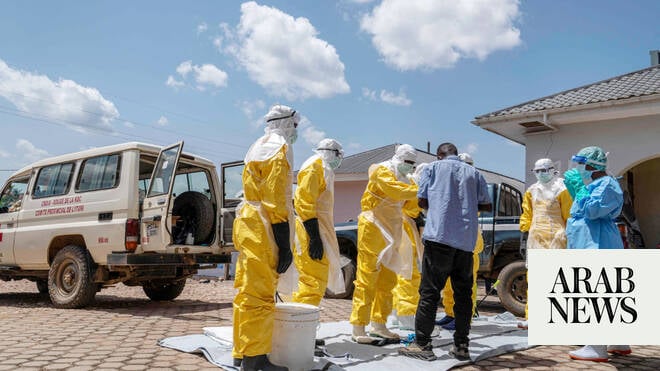
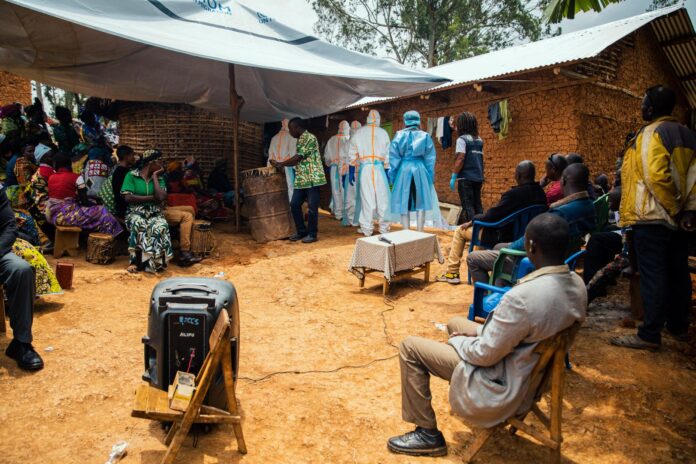
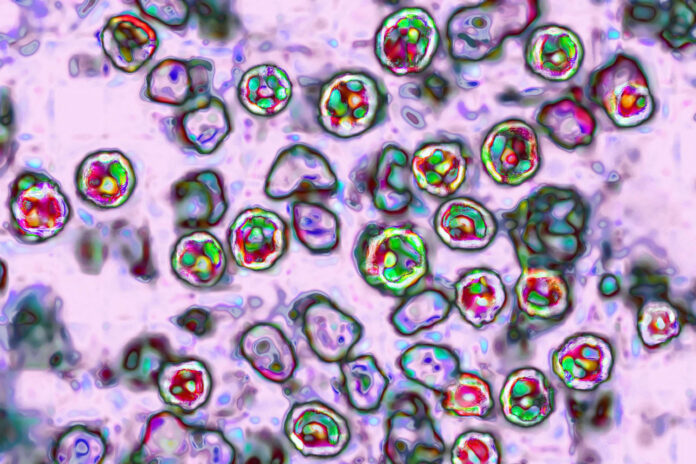
The clinical significance of Stafford’s recovery is not lost on the researchers tracking a widening outbreak that, as CBS News reported, has killed at least 221 people across Congo and Uganda, with more than 1,000 suspected cases logged. Bundibugyo ebolavirus, the strain responsible for the 2026 outbreak, carries a fatality rate estimated between 25 and 50 percent. There is no licensed vaccine targeting it specifically — the widely used rVSV-ZEBOV vaccine was designed for the Zaire strain — and no approved antiviral. Stafford’s case represents an early real-world data point on what an aggressive supportive and antiviral regimen can achieve under optimal biocontainment conditions, though clinicians will be cautious about drawing broad conclusions from a single case treated at one of the world’s best-equipped isolation units.
The outbreak was declared a Public Health Emergency of International Concern by the World Health Organization on May 16, the day after DRC authorities formally confirmed it. At the time, Stafford was already in the field at Nyankunde, five days past the probable date of his exposure. He had operated on the woman on May 9 — six days before the outbreak was even announced — putting him in the category of healthcare workers who were infected before any formal warning existed. That gap, between the first death and the official declaration, is one of the outbreak’s most troubling features: the virus had been spreading for weeks without being correctly identified, partly because Bundibugyo’s early symptoms overlap heavily with malaria and other common febrile illnesses in the region.
Uganda confirmed its first cases in mid-May, and the cross-border spread triggered a regional response that included Uganda closing its entry points from Congo. The WHO and Africa CDC announced a $518 million emergency response plan. As of Saturday, the WHO has not updated its publicly available case count beyond the figures reported at the end of May, and what the true scale of infection looks like — accounting for cases in remote and conflict-affected zones in Ituri Province where surveillance is extremely difficult — remains an open question the response teams have not been able to answer.
Stafford’s organization, Serge, is a Pennsylvania-based Christian mission group with a medical and humanitarian focus. A second Serge medical missionary was also evacuated during the outbreak — to Prague, where that individual’s treatment and status have not been publicly disclosed. Franklin Graham, whose Samaritan’s Purse organization has a prior connection to the Stafford family, appealed publicly for prayer during Stafford’s treatment and confirmed he had spoken with Dr. Rebekah Stafford by phone.
Stafford and his family moved to Congo in 2019 and had been working there continuously. He was treating patients at Nyankunde Hospital at the time of his infection — an institution in Bunia that serves as a critical medical facility in an area where healthcare infrastructure is severely strained by years of armed conflict. What Charité’s team managed in seventeen days in Berlin is not something most patients in eastern Congo, if infected, will have access to. The hospital released a photograph of Stafford with his wife on Saturday. The statement said the family was “discharged in good health.” It did not say where they were going next.