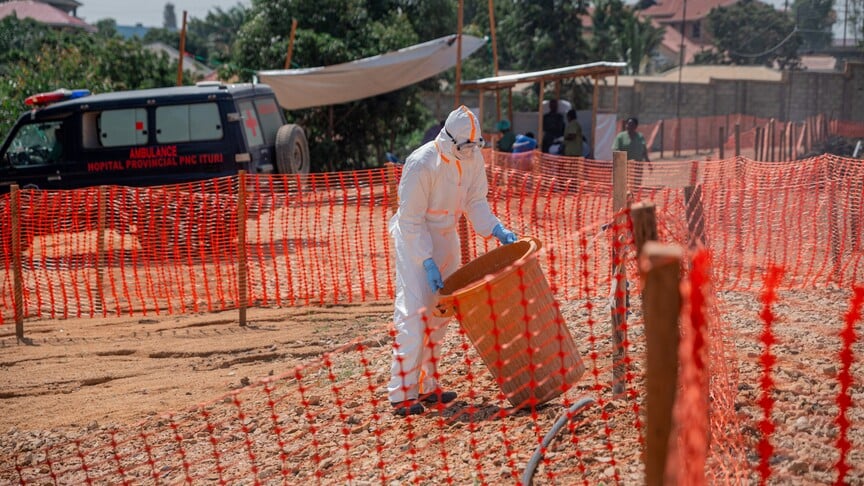

KINSHASA – The numbers arriving from eastern Democratic Republic of Congo on Sunday carried the blunt weight of a protracted crisis. The Africa CDC’s latest Ebola situation report confirmed 930 deaths among 2,344 confirmed cases, a case fatality rate of 39.7 percent – meaning that for every ten patients formally diagnosed, nearly four do not survive.
The outbreak was declared on May 15, 2026, and has since spread across five provinces: Haut-Uele, Ituri, North Kivu, South Kivu and Tshopo. As of Sunday, 724 patients remain in isolation or hospital care, Anadolu Agency reported. Another 466 have recovered. For the health workers tracking the disease, the space between those two numbers is where the response is still being fought.
Ituri Province has emerged as the epicenter. The province sits in a corridor of eastern Congo that has faced repeated hemorrhagic fever outbreaks over the past two decades. The Bundibugyo strain – first identified in 2007 in Uganda’s Bundibugyo district – tends to produce milder initial symptoms than the more common Zaire ebolavirus, meaning infected individuals often remain in communities for longer before they are tested, diagnosed and isolated. That silent window is one of the mechanisms sustaining transmission.
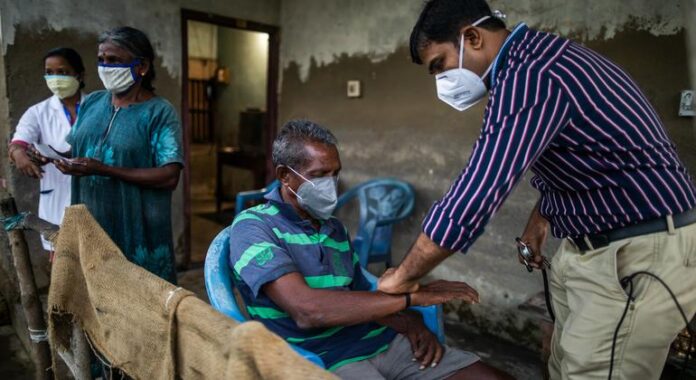
Contact tracing has reached 85.8 percent coverage across all five affected provinces. That figure is lower than health officials would want at this stage of a response. When one in seven exposed contacts is not successfully reached, the gaps are wide enough for transmission chains to persist unseen. An earlier July situation report confirmed 702 deaths and 1,926 confirmed cases, figures the outbreak has since surpassed.
Yap Boum, head of emergency preparedness at the Africa CDC, said on Sunday that responders expected to see the curve shift within “a few weeks or months.” He offered no specific threshold – a number of new cases per week, a percentage of contacts traced – that would signal the outbreak was genuinely turning. That range, from weeks to months, reflects the uncertainty embedded in a response operating across an area with limited infrastructure and active conflict.
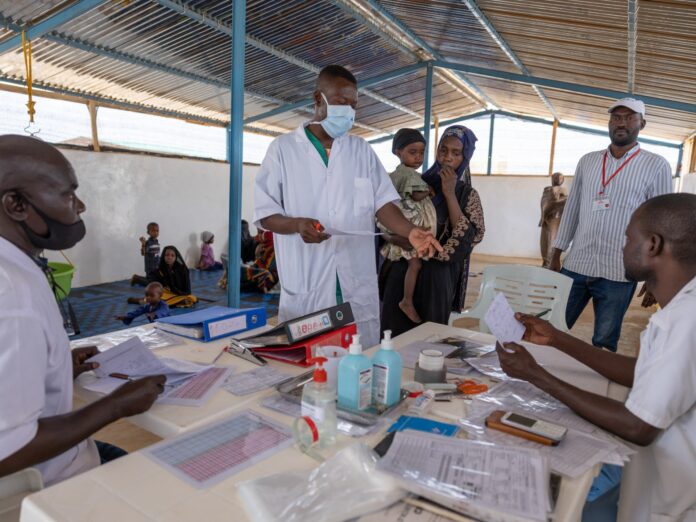
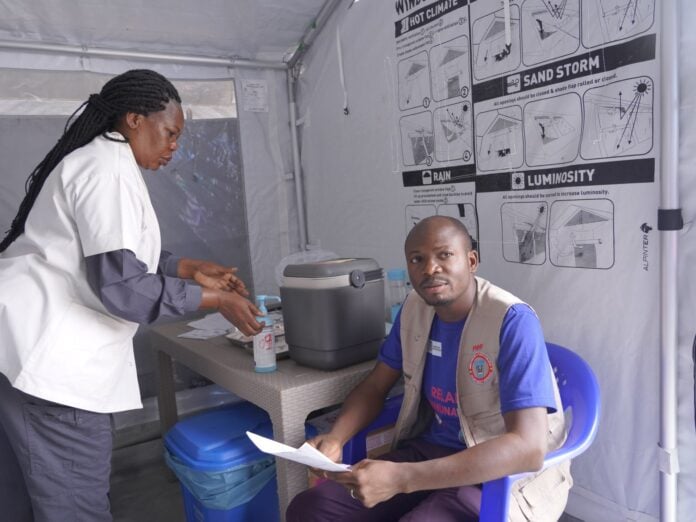
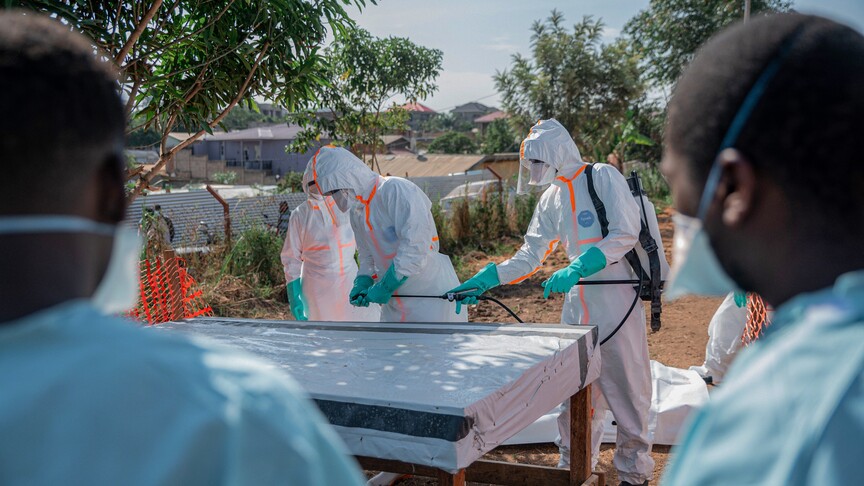
The WHO has deployed personnel to the affected zones and is coordinating with the DRC’s Ministry of Health and international partners. Sustained access remains a problem. Eastern Congo is crossed by armed groups whose activities have intermittently blocked supply lines and disrupted staff deployments. A United Nations agency warned in recent weeks that traditional funeral practices – the washing and preparation of bodies as part of mourning rituals – are a significant driver of transmission. The Ebola virus remains active in the bodies of the recently deceased, and community resistance to safe burial protocols has been documented in several affected areas.
Cross-border risk is being monitored closely. India dispatched medical supplies to both DRC and Uganda earlier this year in recognition that the Lake Albert corridor between the two countries creates exposure pathways. Uganda has increased surveillance at its western border. No confirmed cross-border transmission beyond the previously established Ugandan cases has been documented in this outbreak.
The Bundibugyo strain’s historical case fatality rate has ranged between 25 and 40 percent in prior outbreaks. The current 39.7 percent sits near the upper edge of that range. Clinicians working in Ituri have observed that late-presenting patients – those who spent several days at home when symptoms were ambiguous – have substantially worse outcomes than those who arrive at treatment centers early. Under-resourced hospitals in the affected provinces have struggled to maintain the isolation protocols that protect healthcare workers from nosocomial infection.
The broader context is an eastern Congo already under compounded pressure before Ebola arrived. Conflict in North Kivu, food insecurity and recurring cholera outbreaks had depleted local health worker capacity and strained international funding mechanisms. Aid organizations operating in the region have described disbursement delays that leave field teams without essential supplies for days at a time.
What the Africa CDC’s Sunday report did not address is as significant as what it did. There is no assessment of why the case fatality rate has remained near the top of the historical range for this strain. There is no breakdown of healthcare worker infections, which have historically been a leading indicator of how well treatment centers are protected. No projection was offered for how many of the 724 currently hospitalized patients are expected to survive based on clinical presentation data.
The 466 people who have recovered from Bundibugyo Ebola in this outbreak are the only figure in Sunday’s report that represents an unambiguous outcome. The 724 still hospitalized are the near-term determinant of which trajectory the next situation update will reflect. Whether the curve Yap Boum described bends in weeks or months is, in the view of those still isolated in Ituri’s treatment units, a very wide gap indeed.