
WASHINGTON — For the Indian software engineer who watched a US job offer evaporate the week the fee landed last autumn, the arithmetic was brutal and simple. A visa that had cost a couple of thousand dollars suddenly cost a hundred thousand, and the calls from employers stopped. On Monday a federal judge pulled that wall down.
Judge Leo Sorokin struck down the $100,000 fee President Trump attached to new H-1B petitions, ruling that the charge is in substance a tax and that the power to tax belongs to Congress, not the president. The fee violated the Administrative Procedure Act and the Constitution, he found. The Justice Department is expected to appeal.
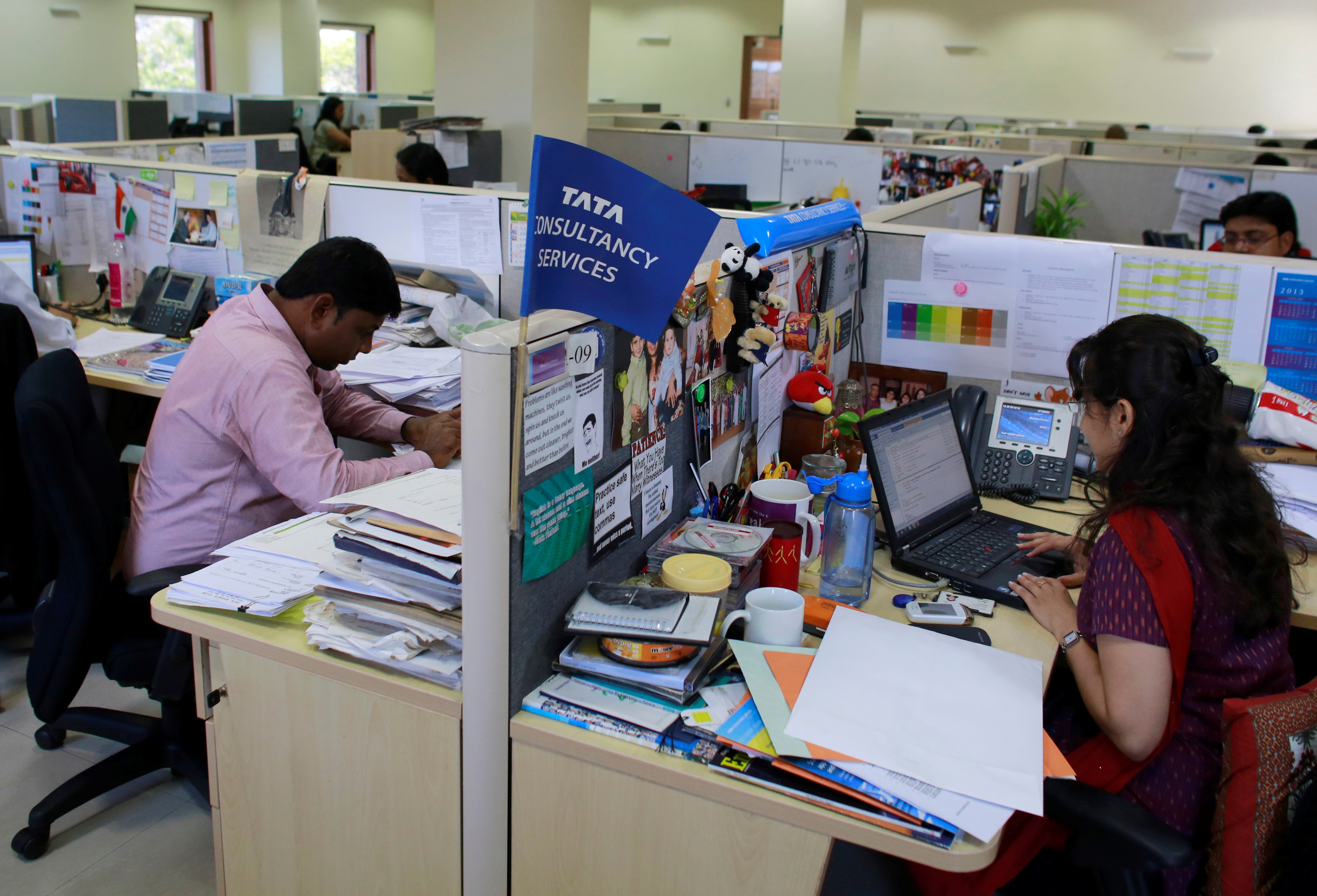
The H-1B program is, in practice, an Indian one. Indian nationals received roughly 71 percent of approved H-1B visas last year, and the country’s $283 billion technology and outsourcing industry is built in part on that pipeline of skilled workers moving between Bangalore, Hyderabad and American office parks. When the fee arrived in September, it worked less like a surcharge than like a brake, and the people it braked hardest were Indian.
Sorokin’s reasoning was narrow, and for the administration that made it more awkward, not less. He did not rule on whether discouraging foreign hiring is sound policy. He ruled on how it was done. A six-figure charge imposed by presidential proclamation, he wrote, is a tax wearing the costume of a fee, and the Constitution hands the taxing power to the legislature. Bloomberg reported that the judge found Congress had never delegated that authority to the executive branch.
The White House had sold the fee as a lever to push companies toward hiring Americans rather than importing cheaper labour. CNBC reported that administration officials cast it as protection for US workers. Its critics described something quieter and more effective, a number set high enough that the program would shrink on its own, without anyone having to pass a law to kill it.
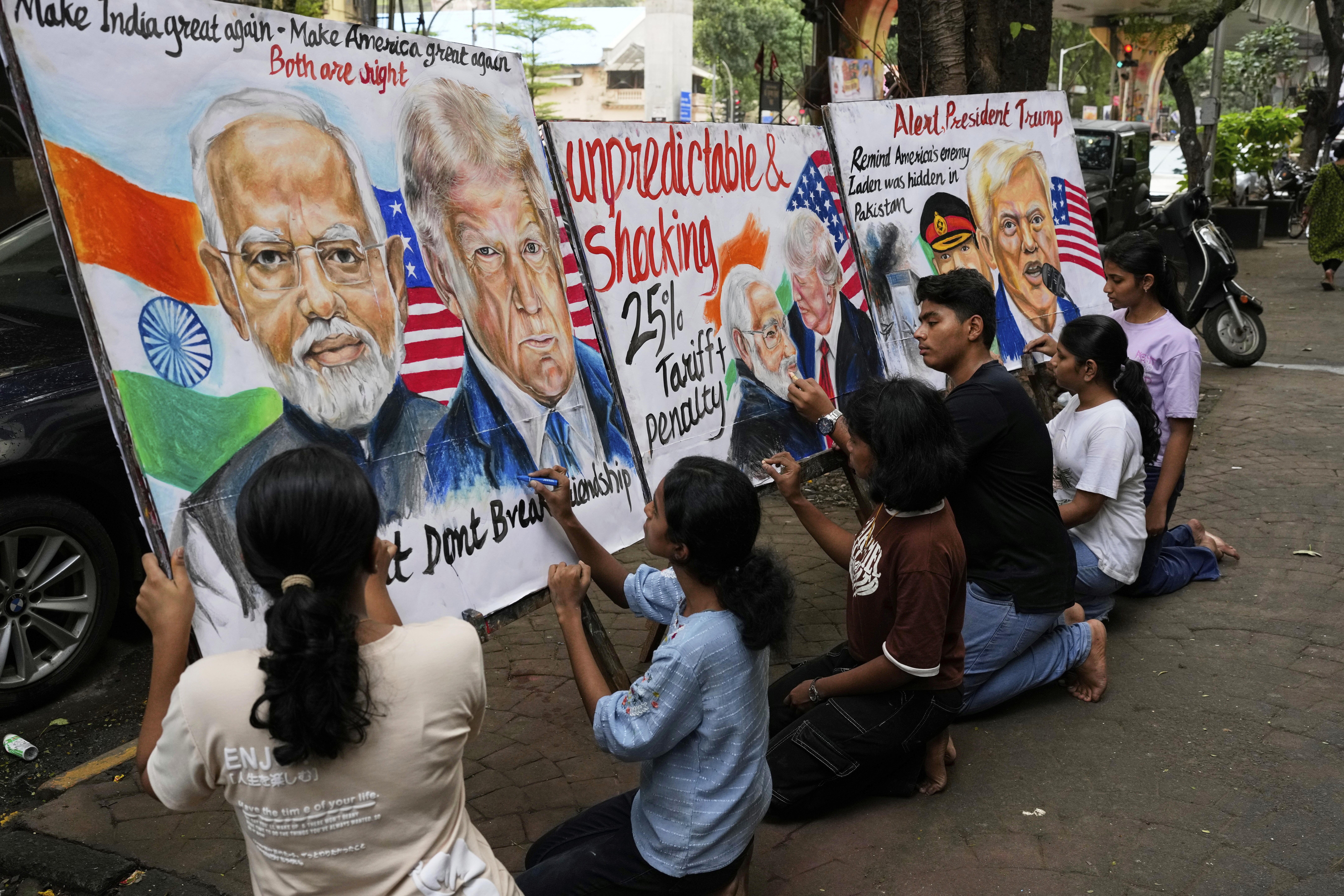
For India, the decision arrives as relief stacked on top of months of unease. It lands while the same administration has moved to restrict a decades-old green-card pathway that Indian professionals lean on, and while US-India ties have turned scratchy beneath a diplomatic charm offensive that keeps colliding with immigration policy. Indian workers have spent the year being courted and squeezed at the same time. Monday loosened one of the grips.
The reprieve may not last. An appeal could revive the fee, or a higher court could send the question back for more argument, and employers who froze H-1B hiring will not necessarily thaw it on the strength of one district-court ruling that might be reversed in a season. For people arranging their lives around these visas, uncertainty is its own running cost, paid in deferred moves, postponed mortgages and job offers left unsigned.
What the ruling does not settle is whether the administration simply tries again by another route, a charge authorized in a way that survives review, or a selection system tilted so far toward the highest salaries that entry-level Indian applicants are edged out regardless of any single fee. The court shut one door on Monday. It did not wall off the corridor behind it.
For now the number that upended a year of plans is gone, voided by a judge who concluded the president had reached for a power that was never his to use. The engineers and graduate students who built their futures around an H-1B will take the win where they can get it, and keep one eye on the appeal.