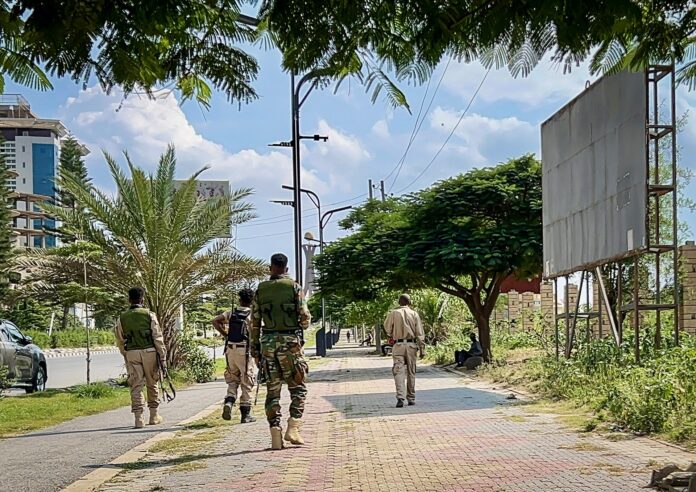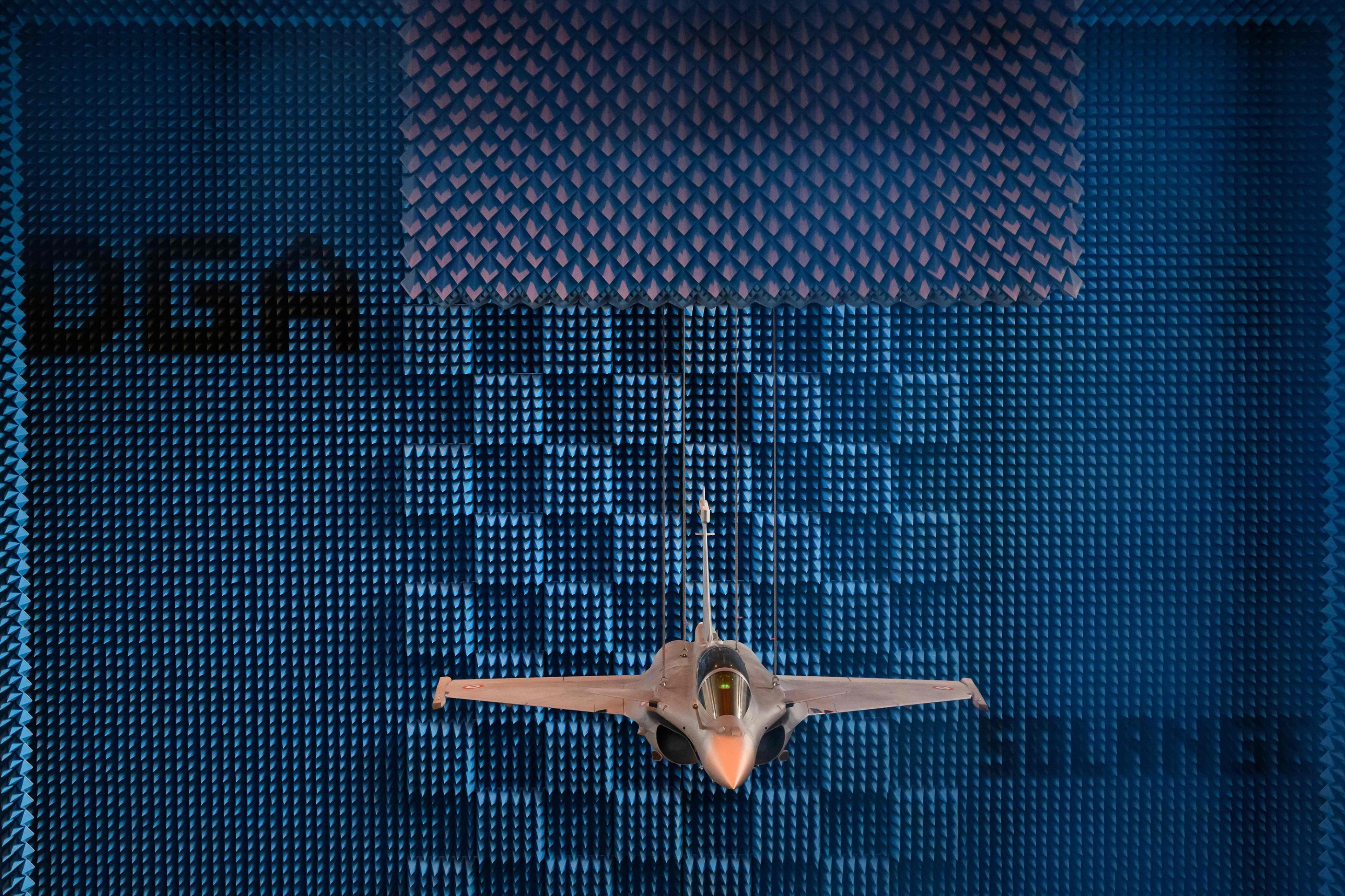

PARIS — The fighter jet was supposed to be the proof. Proof that Europe could build its own sixth-generation warplane, free of American engines and American permission, a flying symbol of the strategic autonomy its leaders have invoked for a decade. On Monday, France and Germany killed it, and the thing that killed it was not Washington, and it was not money. It was the question of whose company would be in charge.
Berlin and Paris formally ended the manned-fighter heart of the Future Combat Air System, the roughly 100-billion-euro program launched in 2017 by Emmanuel Macron and Angela Merkel as Europe’s flagship answer to American air dominance. A German official put it bluntly, saying the companies would not be able to come together on building a joint combat aircraft. Bloomberg reported that the two governments pulled the plug after the industrial feud proved impossible to resolve.
The feud had a name and a face. Dassault Aviation, the French maker of the Rafale, wanted to run the project as prime contractor, with the final say. Airbus, representing Germany and Spain, wanted parity. Defense News reported that Dassault’s chief executive, Eric Trappier, repeatedly refused anything less than French leadership. Three governments, one cockpit, and no agreement on who got to fly it.
Not all of it dies. France and Germany said they will keep developing the other half of the system, the combat cloud meant to link the jet to drones and sensors. But a combat cloud without the combat aircraft at its center is a network waiting for a node that no longer exists. The headline capability, the crewed sixth-generation fighter, is the part that just went away.
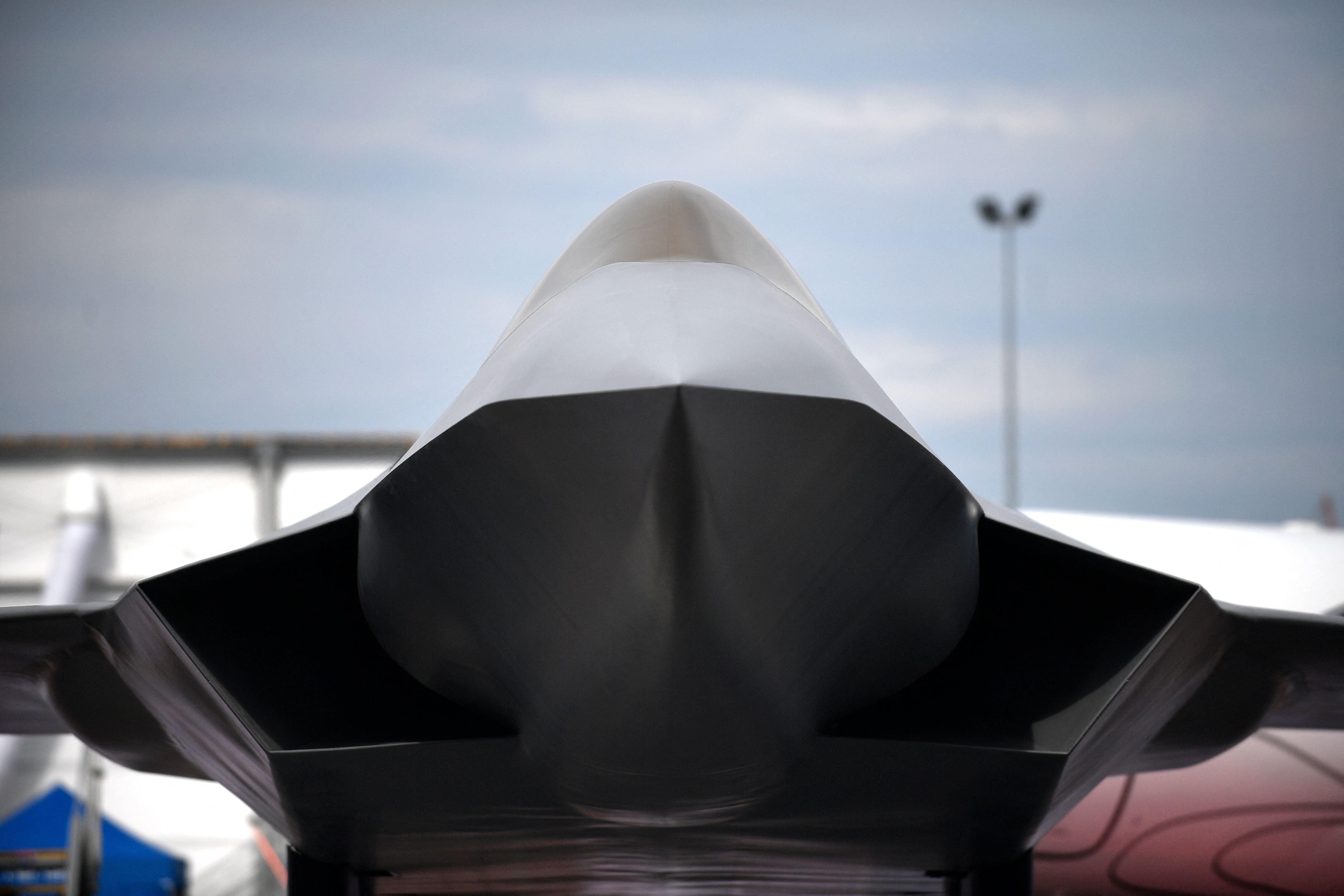
For a continent that has spent the Trump years insisting it must be able to defend itself without leaning on an unreliable United States, the timing is unkind. Europe announced the ambition, then could not hold the consortium together long enough to build the aircraft that was supposed to embody it. The sovereignty was real in the speeches. The jet was not.
The collapse divides European airpower rather than uniting it. Britain, Italy and Japan are pressing ahead with their rival GCAP fighter. Spain had already leaned into European platforms, having turned away from the American F-35 in favor of the Eurofighter and FCAS, and now Madrid’s bet looks stranded too. The dream of a single European fighter has fractured into several, each smaller, each costlier per plane.
The failure lands hardest on Macron, who has staked his foreign policy on the argument that digital and military sovereignty are the same European cause. He won that argument rhetorically across the continent. He could not win it inside a boardroom in his own country.
What no one in Paris or Berlin would say on Monday is what replaces the jet, or whether the two will now build competing national fighters at far greater cost, the precise duplication FCAS was created to prevent. Nor is it clear what Spain does next, or whether the combat-cloud remnant outlives the aircraft that justified it.
For now Europe has the slogan without the fighter. The Rafale and the Eurofighter will keep aging, the GCAP will fly for someone else, and the continent that talks most about standing on its own has just shown, with a 100-billion-euro program, how hard that is to actually do. The obstacle was never only Washington. Sometimes it is the seating chart.