
NEW YORK — A federal officer in a balaclava, badge tucked out of view, waiting in a courthouse hallway for a man with a scheduled immigration check-in. That is the figure New York’s legislature tried to write out of existence last month. Tom Homan intends to send more of them.
The Trump administration’s border czar has stopped calling the operation a possibility. The surge into New York City, he says, is now a matter of timing. “It’s coming,” Homan told reporters, days after Governor Kathy Hochul signed a state law that bars immigration agents from hiding their faces and forbids local police from doing the federal government’s deportation work. What follows is not really a quarrel over a single statute. It is a question of whether a state can set the terms on which Washington polices a city’s streets.
The measure, folded into the state budget and known as the MELT Act, is unusually direct. It prohibits ICE officers from wearing masks while on duty in New York. It stops state and local police from acting as civil immigration agents. It denies federal officers entry to schools, libraries, hospitals and private homes without a judicial warrant, and it creates a state right to sue federal officials who break those rules. Hochul signed it late last month, after Homan had already warned her what he would do.
His warning was not subtle. “We’re gonna flood the zone,” he said this spring as the legislation moved. “You’re gonna see more ICE agents than you’ve ever seen before.” He promised collateral arrests in ordinary neighborhoods and added that no one was off the table. On Monday, with the law now on the books, he returned to the threat and gave it a tense: soon. Bloomberg reported that he framed the coming operation as a direct answer to a state that chose to legislate against him.
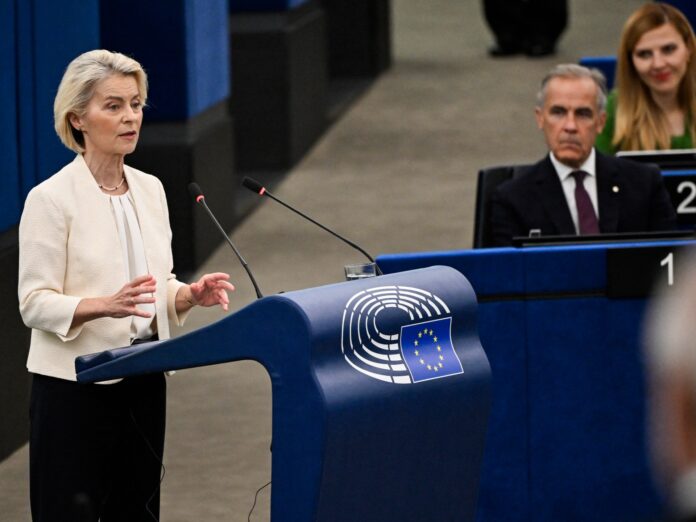
Hochul has not blinked in public. “Donald Trump himself said he would not send a surge of ICE agents to the state of New York unless I ask,” she said. “I’m not asking.” She has cast herself as someone who does not take well to threats, and the city’s mayor, Zohran Mamdani, has staked his own standing on resisting the kind of operation Homan describes. Whether either has the legal footing to stop a determined federal deployment is the part no one in Albany can answer cleanly.
For immigrant New Yorkers, the dispute is not abstract. The threat of a surge changes behavior long before any agent arrives, keeping people away from court dates, clinics and schools for fear that a routine appointment becomes a detention. Advocates argue that is the design, that visible and unpredictable enforcement is meant to make daily life feel precarious. The MELT Act was written partly to take the fear out of those ordinary places.
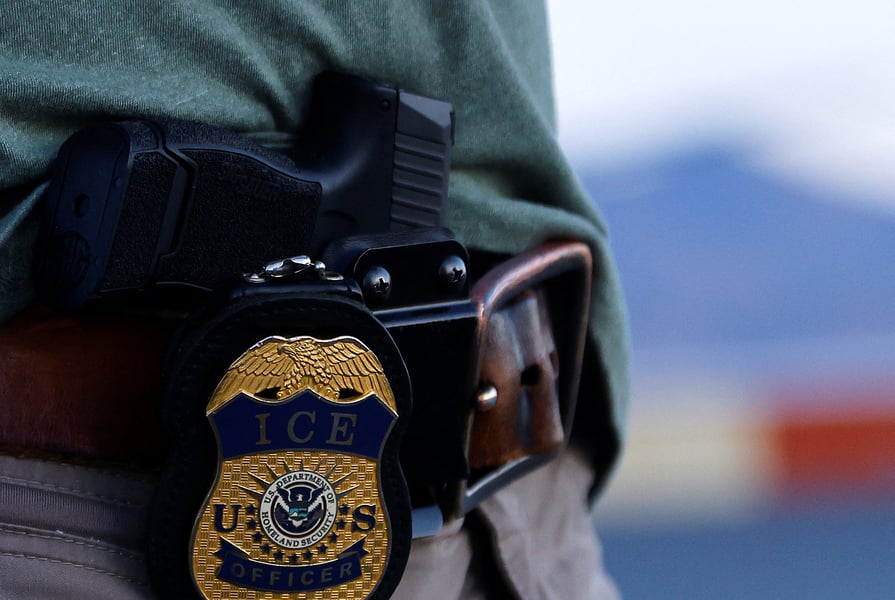
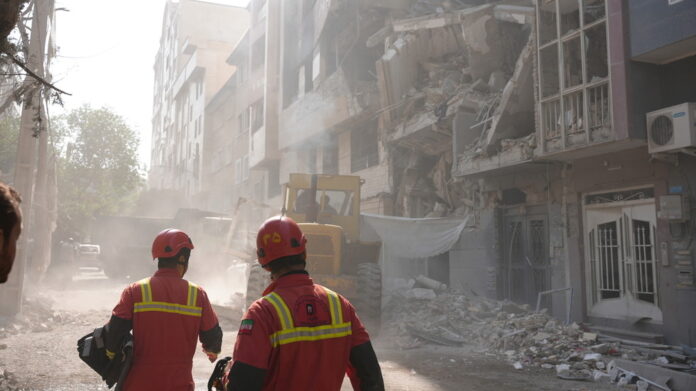
What flooding the zone looks like on the ground is already on record. Immigration agents have arrested more than 800 people in New York City since last August who were swept up incidentally, according to enforcement records reviewed by local reporters, with the large majority having no criminal history. Many of those arrests happened at the very places the new law tries to wall off, immigration courts and check-in appointments, where agents have staked out hearings with lists of names. The masks made the people doing it hard to identify. That is the practice New York just tried to ban, and the one Homan says he will expand.
The administration leans on big numbers to argue it is winning. Homan has claimed roughly 800,000 removals under Trump, which he says is nearly double the 409,000 the Obama administration logged at its peak, and he has talked about hiring 10,000 more deportation officers. Those figures come from the official making the case, not from an independent audit, and immigration researchers have long cautioned that removal counts shift with what gets counted as a removal. The distance between the claim and a verified tally is wide enough to matter.
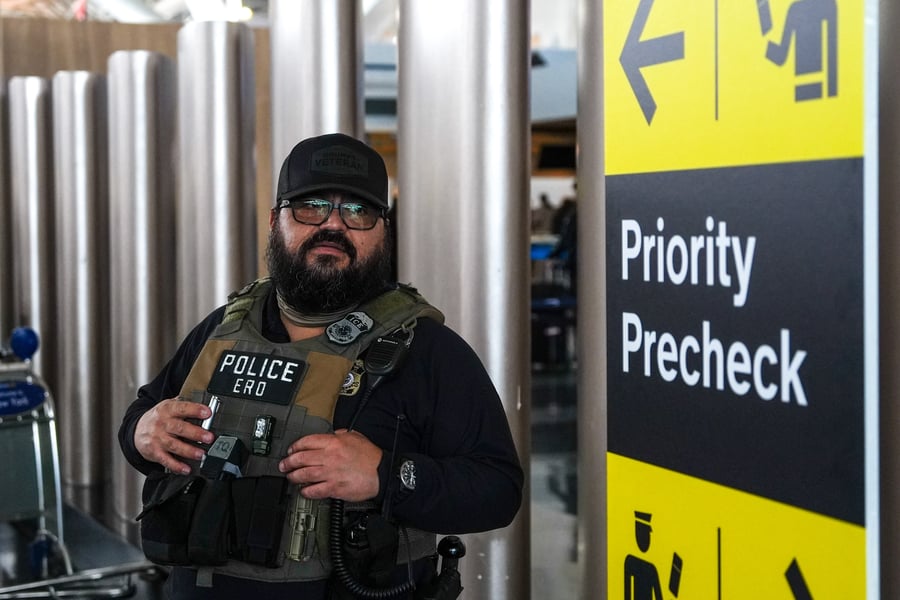
The deeper collision is constitutional. Washington argues that federal immigration power overrides state interference, a reading rooted in the supremacy clause. New York argues that it cannot be made to spend its own police on federal enforcement and that it can regulate conduct, such as wearing a mask, that erodes public trust. Mask bans aimed at federal agents are a new front, and the courts have not settled them. Al Jazeera documented how the same agents New York wants unmasked were deployed to JFK and other airports this year, a reminder that the federal presence in the state is already routine.
This is not the first time the administration has answered local defiance with a show of federal force. It sent military forces into Los Angeles last year over the objections of California’s leaders, and its immigration tactics helped drive the largest protests in modern American history. ICE’s conduct in the field has come under scrutiny as well, including the arrest of one of its own agents over a shooting during a raid.
What Homan has not said is when the surge begins, how many officers it involves, or how agents will work in a state that has made their usual methods illegal. Homeland Security Secretary Markwayne Mullin’s department has not detailed the plan. For now there is a law that says one thing and a border czar who says another, and a city waiting to learn which one holds when the first masked agent steps off the plane.