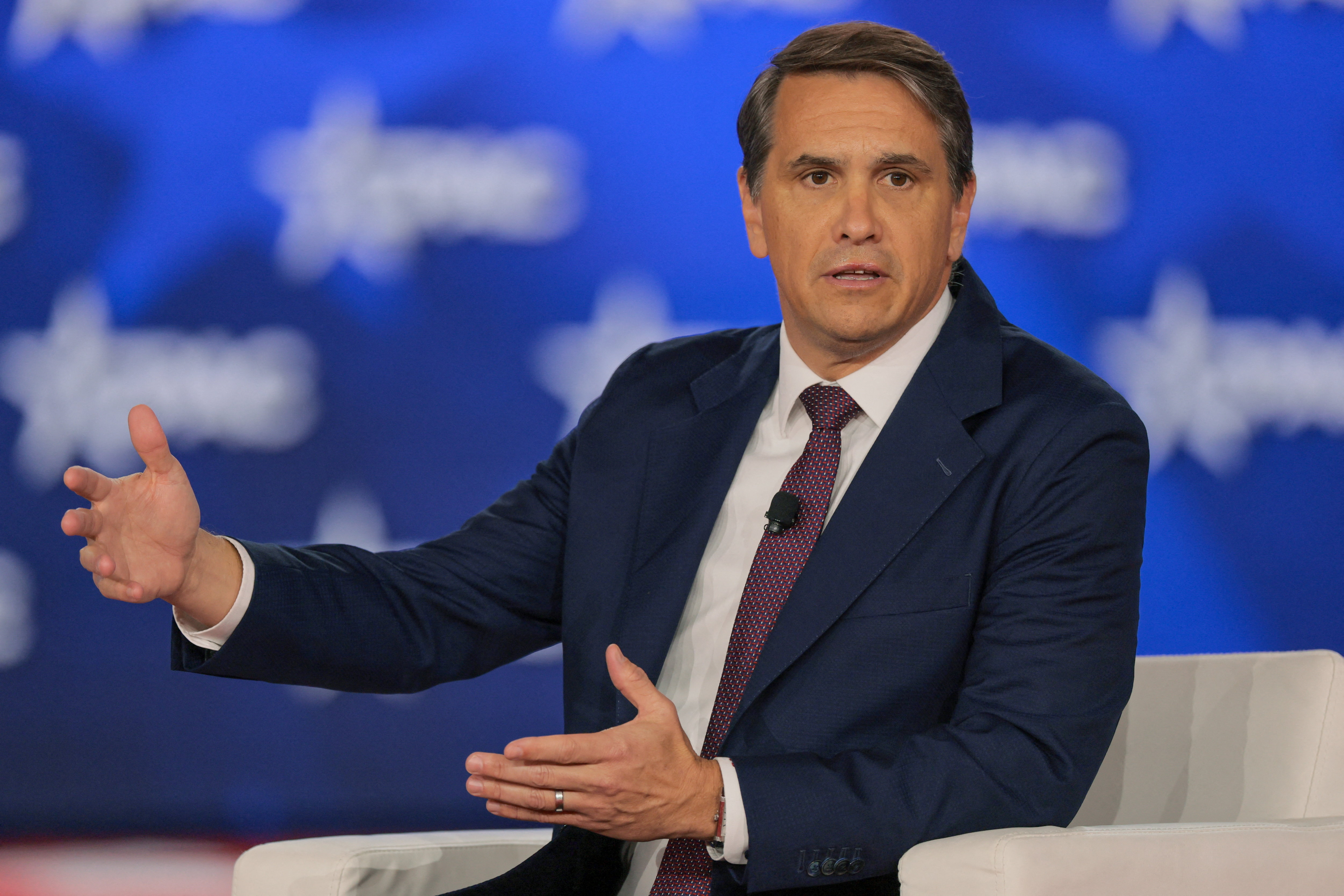
WASHINGTON — The lawyer who sat beside Donald Trump at the defense table through his hush-money trial, and who fought the two federal cases against him, is now the president’s choice to run the department that once tried to prosecute him. On Monday the White House said it had formally sent the Senate the nomination of Todd Blanche to be attorney general, permanently.
The submission turns months of arrangement into a formal fact. Blanche has led the Justice Department in an acting capacity since Trump fired Pam Bondi in April, and the president signaled last week that he would make the job permanent. The paperwork that reached the Senate on Monday starts the confirmation clock, and with it a fight.
What makes the choice extraordinary is not the resume but the relationship. Al Jazeera profiled Blanche as the criminal-defense attorney who steered Trump through his New York conviction and the federal prosecutions brought by special counsel Jack Smith. The same man will now sit atop the department that houses those prosecutorial powers. The distance between the president’s personal legal interests and the nation’s chief law-enforcement officer, never wide under this administration, effectively closes.
Bondi’s fourteen months ended in a firing. Blanche’s elevation reads as Trump choosing a loyalty he has already tested over the independence the office was built to protect. Critics see a Justice Department being remade into an instrument of the president’s will, with the courts and Congress its only remaining checks.
The confirmation will not be a formality. A few Republican senators have signaled unease, and Democrats have little leverage but plenty to raise. They have already demanded that Blanche testify over the handling of the Epstein files, and his stewardship of a $1.8 billion fund legal experts called alarming will be relitigated in the hearing room.
The arithmetic is narrow. Republicans hold the majority, but a handful of defections could sink the nomination, and the Senate calendar is crowded with fights the White House would rather have. Whether Blanche is confirmed quickly, slowly, or not at all is the question the formal submission only sharpens.
What the White House did not address is how Blanche would handle matters that touch the president himself, or whether he would step aside from anything connected to the cases he once argued. The nomination paper makes him the choice. It does not answer the conflict the choice creates.
For now the name is at the Senate, the hearing is ahead, and the country is left with a plain arrangement stated plainly. The president has nominated his own lawyer to run the law. What the Senate does with that is the next thing to watch.