
SOUTHAVEN, Mississippi — The sound never really stops. It is there at two in the morning and two in the afternoon, a low mechanical drone from the turbines that keep Elon Musk’s newest data centres alive, and the people who live within earshot say it has followed them into their homes, their sleep and their health. On Tuesday more than ten thousand of them went to court to make it stop.
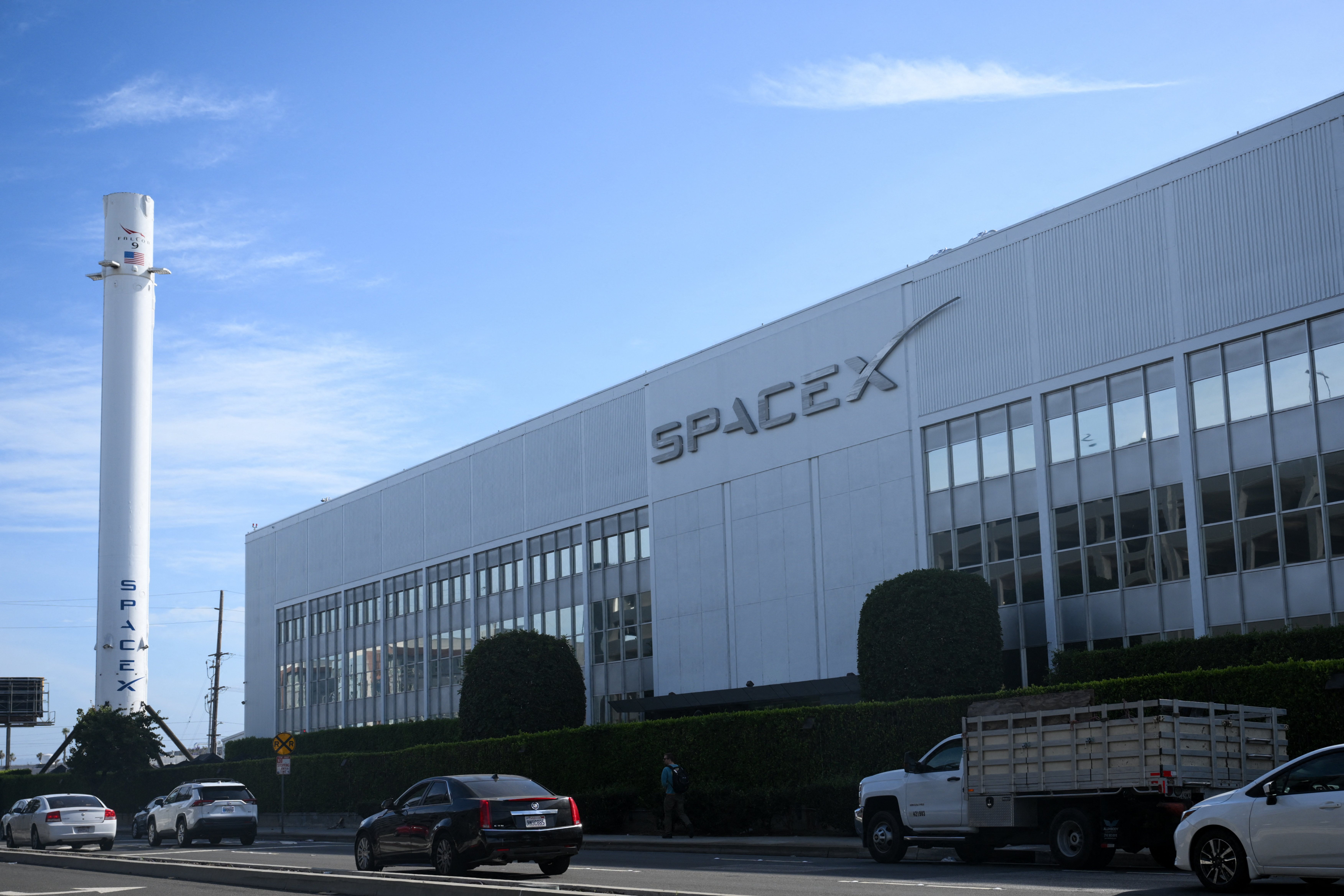
The lawsuit, made public Tuesday in federal court in Oxford as Al Jazeera reported, was brought by three residents on behalf of a class their lawyers estimate at more than ten thousand people. It does not name Musk himself. It names xAI, his artificial intelligence company, SpaceX, his rocket firm, and an xAI subsidiary called MZX Tech, the corporate skin around a gas-fired power plant in Southaven that runs the servers and, the plaintiffs say, runs over their lives.
What is on trial, in a sense, is the price of the artificial intelligence boom, paid in a place few of its beneficiaries will ever visit. The plants and server halls that train chatbots and answer search queries have to sit somewhere, drawing enormous power and throwing off heat and noise, and they have landed disproportionately in working-class and Black communities in the American South. The complaint puts it bluntly, arguing the build-out is wreaking havoc on communities across the United States. Southaven is where that argument now has a courtroom.
The Southaven plant is not small. xAI has poured more than twenty billion dollars into it, with the public backing of Mississippi’s governor, Tate Reeves, who courted the project as an economic coup. Its gas turbines burn around the clock to feed the data centres clustered near the Tennessee line, a few miles from Memphis. The residents describe the result as an omnipresent and inescapable noise, the legal language for a hum you cannot turn off, along with degraded air and property values that have started to slide.
They are asking for damages for emotional distress and for the value their homes have lost, and for something more pointed: the disgorgement of an unspecified share of the profits the plant has generated. That last demand is the one that reframes the case. It is not only that the noise is a nuisance, the argument goes, but that a fortune is being made on the other side of it, and that some of that money was effectively taken from the people next door.
It is not the first legal fire aimed at the plant. The NAACP sued xAI in April over the same operation, accusing it of breaking federal environmental rules, a case that remains alive and that the United States Department of Justice has signalled it may join. CNBC reported earlier this year that the civil rights group had warned of the air-pollution claim for months before filing. The new class action opens a second front, this one built less on permits than on the daily experience of living beside the machine.
For Musk, it is one more courtroom among many. He spent the spring on the losing end of a different fight, watching a jury reject his sprawling claims against OpenAI and Sam Altman. The Mississippi suit is smaller and stranger, a dispute not over the future of artificial intelligence but over what it sounds like at the property line, and yet it touches the same nerve: the gap between the trillion-dollar story the industry tells about itself and the bills, literal and otherwise, that arrive locally.
The fight over the Southaven turbines is a local version of a problem the whole industry is now scrambling to solve. The electricity the AI build-out demands has sent companies and governments chasing power wherever they can find it, from an American rush to bring advanced nuclear reactors online to China switching on the world’s first underwater data centre to keep its servers cool. Gas was the fast answer in Mississippi. The neighbours are the ones living with how fast.
xAI and SpaceX did not immediately respond to requests for comment on the suit, and that silence is, for now, part of the story. The companies have not contested the residents’ description of the noise so much as declined to engage it, leaving the plaintiffs’ account of their own neighbourhood as the only one on the record.
What the filing cannot yet show is the thing it most needs to: a hard line connecting the turbines to specific harm, the medical and acoustic proof that turns a community’s misery into a verdict. That is the work of the months ahead, and it is far from certain. Nuisance is one of the oldest claims in law and one of the hardest to win against a defendant with twenty billion dollars and a governor on its side.
For now the turbines keep running, because the data centres cannot pause and the intelligence they serve will not wait. Somewhere in Southaven tonight the drone will be there again, under the televisions and the conversations and the attempts at sleep, the sound of the future being built somewhere it was never going to be quiet.