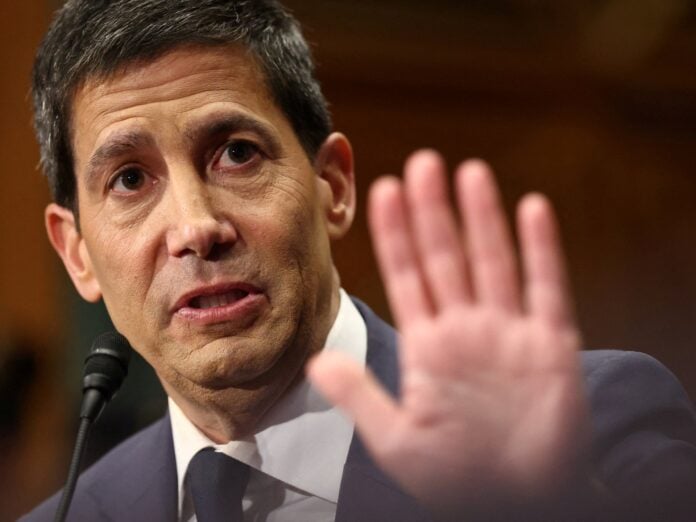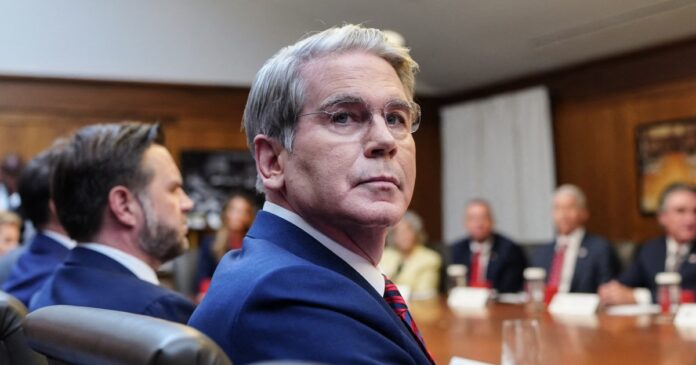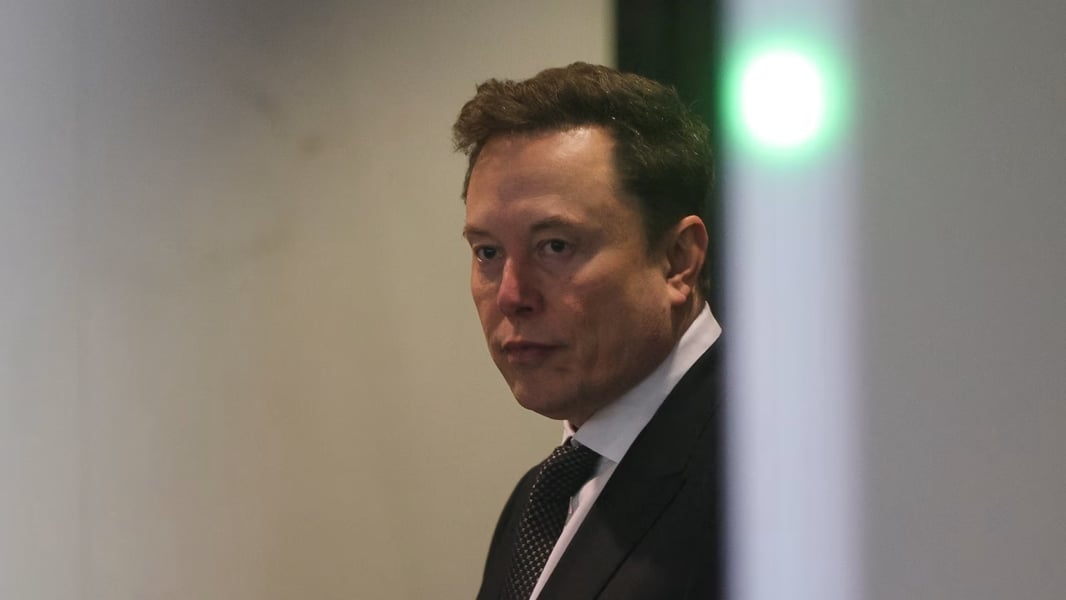

Elon Musk’s courtroom showdown with Sam Altman and OpenAI has ended in a devastating legal defeat for the world’s richest billionaire, after a federal jury rejected his explosive claims that OpenAI abandoned its founding mission and transformed into a profit-driven AI empire backed by Microsoft. The unanimous verdict, delivered Monday in Oakland, California, marks a defining moment in the future of artificial intelligence and further intensifies Silicon Valley’s growing civil war over who controls the next era of AI dominance.
Musk had sought as much as $150 billion in damages while attempting to force OpenAI back under nonprofit control, accusing CEO Sam Altman, OpenAI President Greg Brockman, and Microsoft of enriching themselves by converting the organization into a commercial powerhouse far removed from its original promise to develop artificial intelligence for the benefit of humanity.
But after weeks of dramatic testimony involving some of the most powerful figures in the tech industry, jurors concluded Musk waited too long to file the lawsuit. The decision effectively destroyed the billionaire’s attempt to dismantle OpenAI’s corporate structure and halt its aggressive global expansion. Judge Yvonne Gonzalez Rogers accepted the verdict immediately, dismissing the claims and delivering a massive victory to Altman and Microsoft.
The trial exposed years of personal animosity, corporate intrigue, and ideological conflict between Musk and Altman, two men who once stood side-by-side as co-founders of OpenAI in 2015. At the heart of the dispute was Musk’s accusation that OpenAI betrayed its nonprofit origins after securing billions of dollars from Microsoft and pursuing enormous commercial ambitions tied to generative AI.
Musk’s legal team argued throughout the trial that OpenAI executives manipulated the organization’s governance model to enrich themselves while sidelining the safety-focused mission that originally attracted Musk’s support and financial backing. Lawyers claimed Musk contributed approximately $38 million to help establish OpenAI as an open, transparent research institution intended to prevent dangerous AI monopolies.
OpenAI’s attorneys responded aggressively, portraying Musk not as a betrayed founder but as a bitter rival furious that he lost influence over the company years earlier. Defense lawyers argued Musk himself supported a commercial transition when OpenAI struggled financially and even attempted to gain overwhelming control of the organization before eventually leaving in 2018.
The blockbuster courtroom battle quickly evolved into far more than a contract dispute. It became a public confrontation over the future structure of artificial intelligence itself.
During testimony, jurors heard arguments about whether advanced AI should remain under nonprofit oversight or become concentrated within giant corporations fueled by Wall Street capital and geopolitical influence. Internal messages, boardroom discussions, and strategic communications presented during the trial revealed intense internal conflicts inside OpenAI regarding governance, commercialization, and power.
The proceedings also drew extraordinary attention because of the star power involved. Altman, Musk, Microsoft CEO Satya Nadella, OpenAI executives, and former insiders all became central figures in one of the technology cases of the decade.
At several moments during the trial, Musk’s lawyers attempted to paint Altman as deeply untrustworthy. According to filings and courtroom testimony, Musk allegedly warned OpenAI President Greg Brockman shortly before trial that he and Altman would become “the most hated men in America” if the case continued publicly.
Altman, however, denied accusations that he betrayed OpenAI’s mission. On the witness stand, he argued that the immense computational demands of modern AI development required large-scale investment and partnerships involving OpenAI, Google and Microsoft that a traditional nonprofit structure could not realistically sustain.
The verdict is likely to accelerate OpenAI’s global expansion at a time when the company is reportedly exploring future public market options and valuations approaching $1 trillion. Analysts believe the ruling removes one of the largest legal threats hanging over OpenAI’s business model and strengthens its position against rivals including Anthropic, Google DeepMind, Meta, and Musk’s own AI startup xAI.
For Musk, the defeat represents another serious legal setback amid mounting pressure across multiple fronts involving Tesla, X, and xAI. It also damages his attempt to position himself as the leading critic of concentrated AI power while simultaneously building competing AI infrastructure.
Still, despite losing the case, Musk succeeded in exposing uncomfortable questions surrounding OpenAI’s transformation from an idealistic nonprofit research lab into one of the most commercially valuable AI firms in history. The trial revealed growing anxiety inside the tech world about transparency, monopoly power, political influence, and the militarization of artificial intelligence.
The broader geopolitical implications are also significant.
As AI systems increasingly shape economies, surveillance systems, military planning, labor markets, and information warfare, governments around the world are racing to secure technological dominance. Washington has heavily backed American AI expansion as part of its broader competition with China and other emerging powers, while corporations linked to Silicon Valley continue consolidating unprecedented influence over global digital infrastructure.
Critics argue that the OpenAI case exposed how a small group of billionaire-backed firms now wield enormous power over technologies capable of reshaping entire societies. Others see the verdict as confirmation that the AI race is rapidly moving beyond nonprofit ideals toward full-scale corporate and geopolitical competition.
Despite the legal defeat, Musk’s attorneys signaled they intend to appeal the ruling. But legal experts say overturning the verdict may prove difficult because jurors focused primarily on the statute of limitations rather than the broader philosophical arguments surrounding OpenAI’s mission.
For now, Sam Altman and OpenAI leave the courtroom stronger than ever, armed with legal momentum, investor confidence, and growing influence across the global AI industry.
Elon Musk, meanwhile, walks away from Oakland after failing to stop the very AI empire he once helped create.