
NEW YORK — The next generation of Claude will run on chips that Anthropic does not own, in data centers financed by debt the company could not have raised on its own name. That, more than the headline number, is what Wall Street’s newest mega-deal says about how the AI boom is now being paid for.
Apollo Global Management Inc. and Blackstone Inc. have completed a $35 billion debt package that will buy custom Google chips for Anthropic PBC to lease, a transaction reported this week that ranks among the largest private credit deals ever assembled. Bloomberg reported that the financing priced across three tranches, with roughly half the debt syndicated on to other investors.
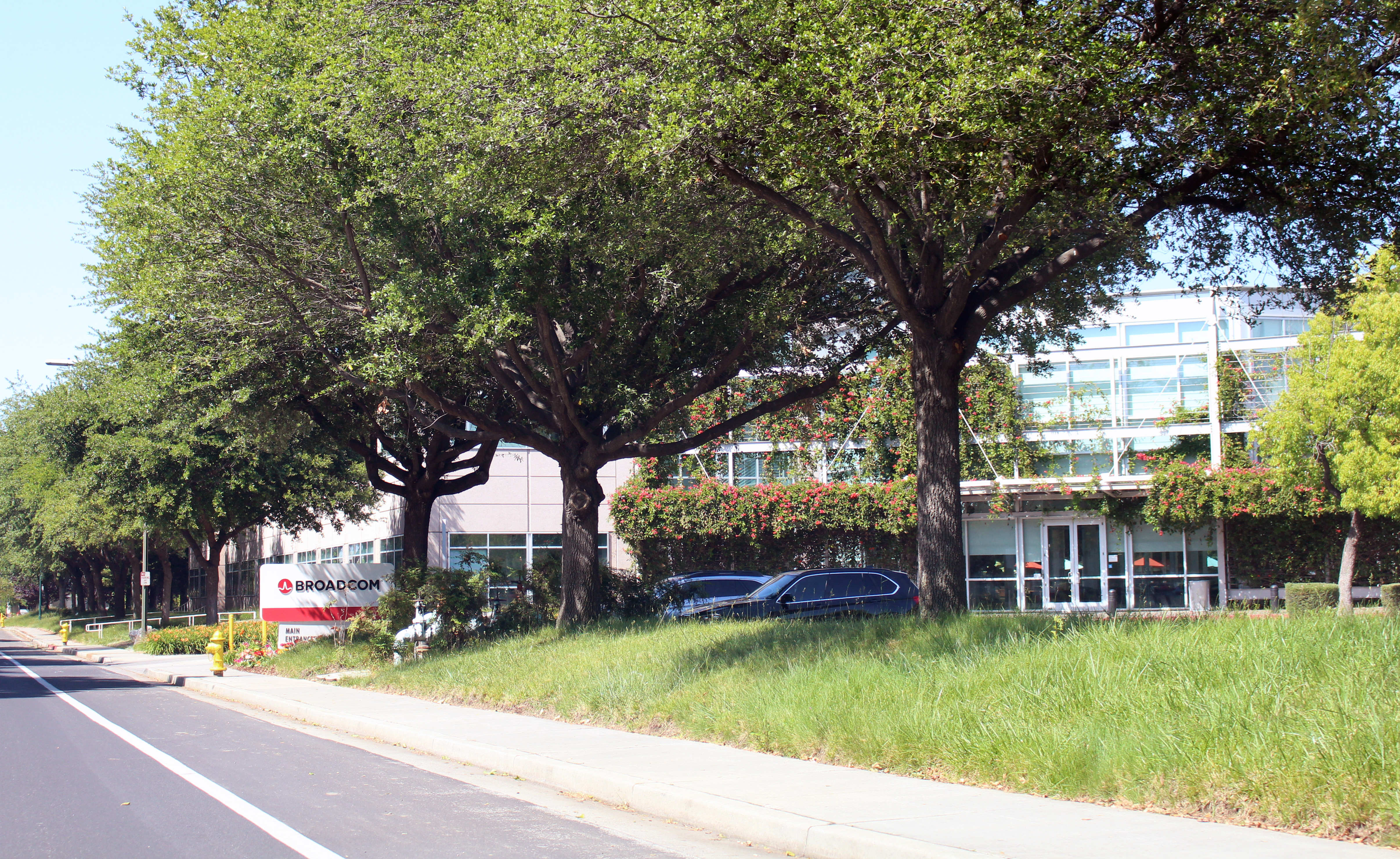
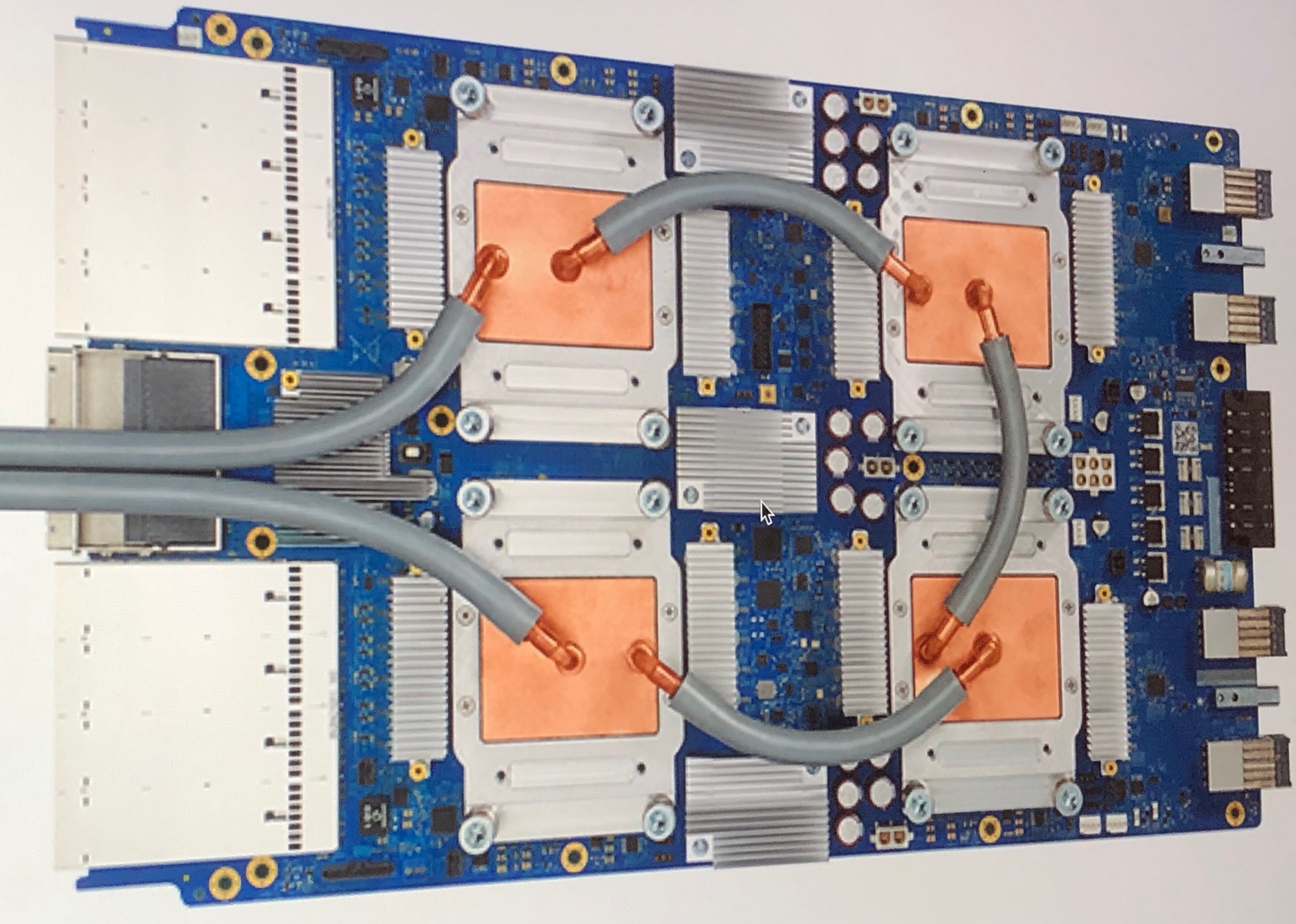
The structure is the story. A special purpose vehicle formed through Apollo’s Atlas SP Partners unit purchases Alphabet Inc.’s Tensor Processing Units and leases them to Anthropic under long-term contracts. Anthropic gets the compute without the capital expense. The lenders get lease payments. And standing behind the largest slices of the debt is a third company entirely: Broadcom Inc.
Broadcom’s role is what makes the borrowing cheap. The chipmaker signed what the deal documents call a residual value support agreement covering $30 billion of the senior notes. If Anthropic misses its lease payments, the chips are sold to repay investors, and if the chips fetch less than the debt outstanding, Broadcom makes up the shortfall. The senior money is, in effect, lending against Broadcom’s balance sheet rather than Anthropic’s business.
The pricing shows exactly how much that guarantee is worth. The $6 billion of A1 notes priced at about one percentage point over Treasuries, and the $24 billion A2 tranche carried a 5.75 percent coupon, both inside mid-investment-grade territory. The $4.5 billion B tranche, the only piece without Broadcom’s backing, had to pay 8.5 percent. That spread, nearly three percentage points, is the market’s honest price for unsecured exposure to an AI lab that has yet to prove it can earn its way to these numbers.
Morgan Stanley arranged the transaction and advised Broadcom. Hock Tan, Broadcom’s chief executive, said the company’s strategic vision is to pair its technology with investor partners holding the strongest balance sheets to deliver compute capacity at scale. Apollo, Blackstone, Anthropic and Morgan Stanley all declined to comment in detail on the terms, leaving the fullest public accounting of a $35 billion deal to reporting rather than disclosure.
The timing carries its own irony. Broadcom is underwriting tens of billions of dollars of chip risk days after its own guidance miss erased $1.3 trillion from the chip market in a single session. The company asking debt investors to trust its backstop is the same one whose forecast just reminded the market how quickly AI demand assumptions can wobble. Investors in the senior notes are betting the backstop survives whatever the next earnings call brings.
For Anthropic, the deal extends a financing run that has redrawn the company’s balance sheet in a matter of months. The company raised $65 billion at a $965 billion valuation in a round that pulled in Samsung, SK Hynix and Micron, and it has filed confidential IPO paperwork. The chips financed this week will be deployed in facilities in New York, Texas, Louisiana and Indiana.
The valuation, like all private marks, is what its investors agreed to pay, not what a public market has tested. Anthropic does not disclose its financials, and no independent assessment of whether its revenue supports either the equity price or $35 billion in lease obligations exists in public view.
What the deal makes plain is that the AI buildout has outgrown the ways companies usually pay for things. Equity rounds, however large, cannot fund compute commitments that now run to tens of gigawatts, and the AI labs themselves do not generate the cash flow to borrow conventionally at this scale. So the machinery of structured finance, the special purpose vehicles and tranched notes and third-party guarantees that once financed aircraft fleets and shopping malls, is being bolted onto the chip supply chain.
Morgan Stanley ran the same playbook for Meta’s Hyperion data center in Louisiana, where a similar residual value structure let the bonds trade roughly in line with Meta’s corporate debt. Broadcom’s chip-financing platform is built around a target of more than 20 gigawatts of compute capacity, which implies this week’s deal is a template, not a one-off.
Private credit firms have spent two years searching for assets large enough to absorb the money they have raised, and AI infrastructure has become the answer. The banks that once would have led this kind of financing are now, in deals like this one, largely spectators.
The untested question sits in the collateral. The entire structure assumes that a custom AI accelerator holds enough resale value, years into its life, to cover the debt against it. Nobody knows whether that is true. TPUs are designed for Google’s stack, the secondary market for used AI silicon is young, and the pace of each new chip generation shortens the commercial life of the one before it. Broadcom’s guarantee exists precisely because lenders would not take that risk unpriced, and Broadcom’s willingness to take it is a wager that its own technology roadmap keeps the hardware relevant.
There is also the wider question of what happens as more of the AI economy’s risk migrates into private credit, where pricing is negotiated rather than continuously tested. The same week this deal closed, OpenAI filed confidentially for an IPO while telling investors not to expect one soon, another sign that the industry’s biggest names are reaching for capital in whatever form the market will supply it.
For now, the money has moved and the chips will follow. Whether the leases get paid, and what a four-year-old TPU is worth if they are not, are questions whose answers arrive on a schedule no term sheet controls.