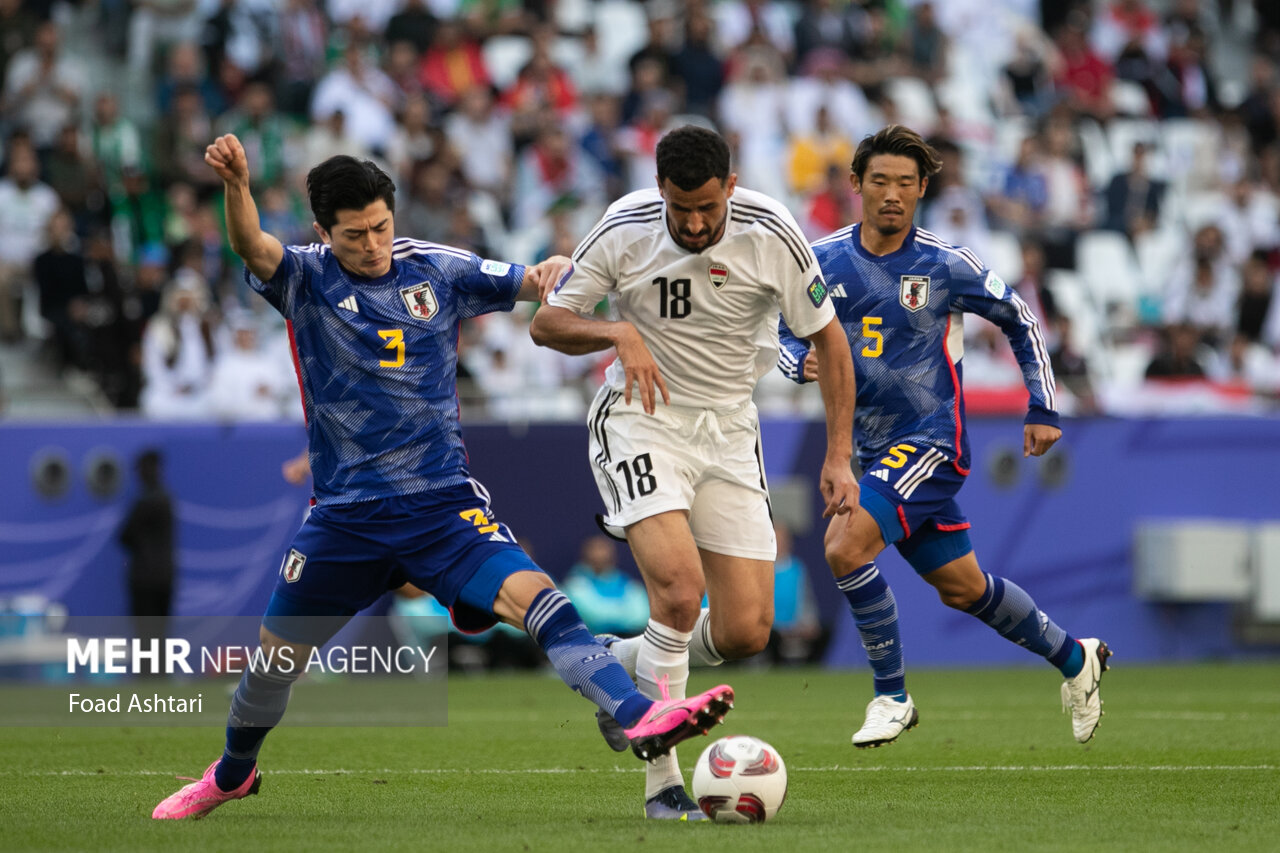

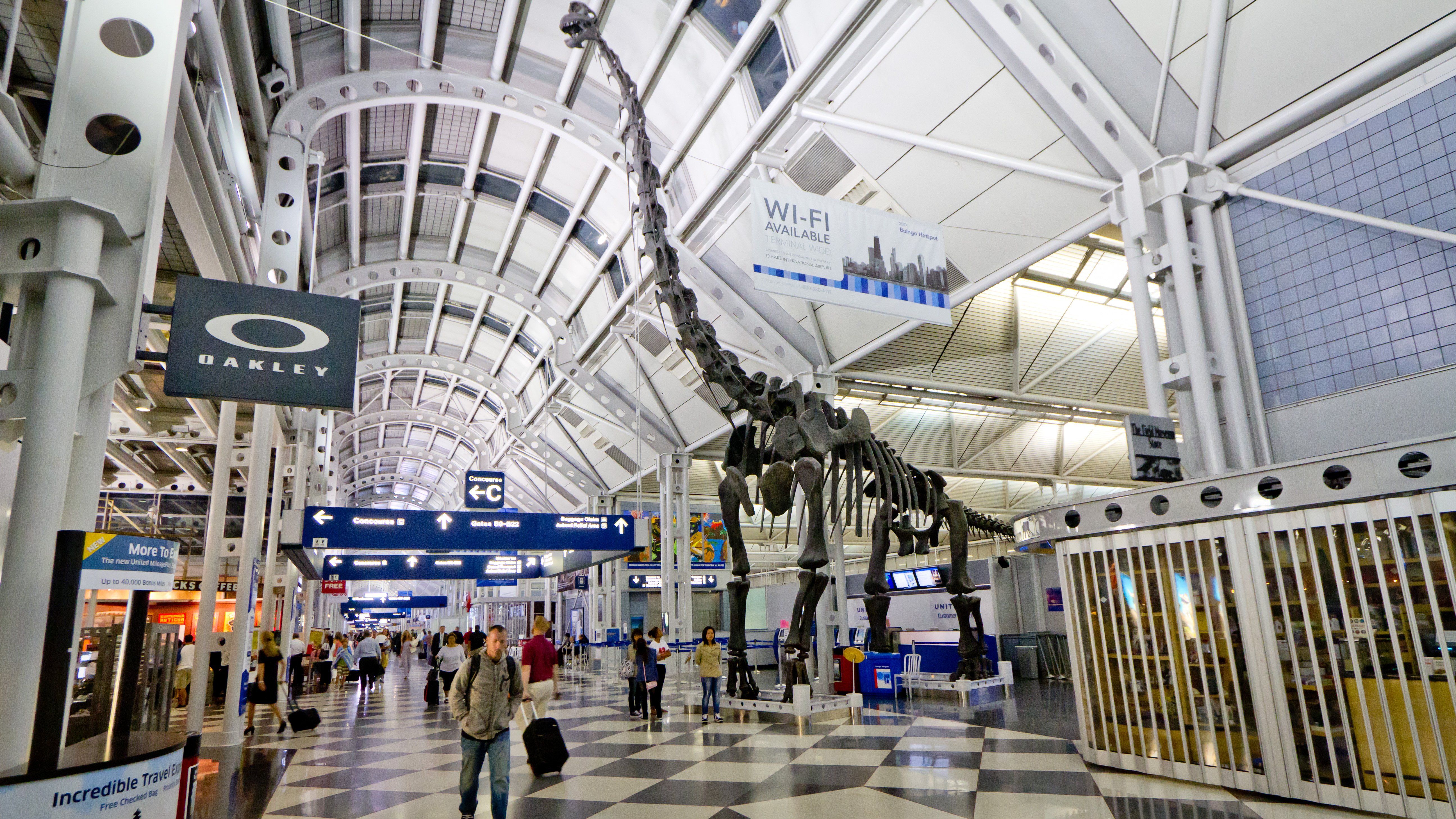
CHICAGO — The striker who ended Iraq’s forty-year World Cup wait spent his first night in America answering questions in a side room at O’Hare. Aymen Hussein landed from Dubai late Friday with the rest of Iraq’s delegation and was pulled aside by Customs and Border Protection officers, who held him for roughly seven hours and inspected his phone before letting the country’s most recognizable footballer into the nation about to co-host the tournament he carried his team to.
His team photographer never made it out of the terminal. Talal Salah was held even longer, more than ten hours by an Iraqi sporting official’s count, and then refused entry altogether. CBS News Chicago reported that a CBP spokesperson said Salah “was determined to be inadmissible and was denied entry due to vetting concerns,” language the agency declined to expand on.
The tournament opens Thursday at the Estadio Azteca in Mexico City, and the question hanging over the American third of it is no longer hypothetical. In the space of a week, the US border apparatus has interrogated and expelled an accredited referee, turned away a team photographer, nearly cost Switzerland a starting forward, and left much of Iran’s official delegation without visas. The largest World Cup ever staged, 48 teams across three countries, is colliding with the most restrictive border regime its lead host has operated in decades, and the people being caught in it are not ticket touts. They are participants.
The agency calls all of it routine. Inspections of the kind Hussein faced are “a routine part of CBP’s inspection process” used when officers need to verify information, a spokesperson said, and admissibility decisions are made “on a case-by-case basis using law enforcement, national security, and immigration information available at the time of inspection.” Inside the Iraqi camp the mood runs closer to resignation than outrage. A team source said the players do not believe they were singled out politically, and offered as evidence the fact that other nationalities are getting the same treatment. That is the reassurance on offer this June: it is not personal, it is policy.
The catalogue is growing quickly. Omar Abdulkadir Artan, named Africa’s best referee in 2025 and the only Somali among FIFA’s 52 World Cup officials, was interviewed for eleven hours at Miami and sent back to Istanbul despite holding a valid visa. Switzerland’s Breel Embolo was denied boarding on his team’s flight over a years-old conviction from an altercation in Basel, and salvaged his tournament only by petitioning the US embassy in Bern for an emergency visa. ESPN reported he was cleared days later, in time for Switzerland’s opener against Qatar in Santa Clara on June 13.
Iran’s situation is the bleakest of all. The country’s federation says the US has revoked its fans’ entire World Cup ticket allocation, and according to The Washington Post, fourteen Iranian officials and backroom staff, including the federation’s secretary general and its vice president, were still waiting on visas this week. South Africa’s assistant coach Helman Mkhalele was refused one with no reason given, the same reporting found.
For Iraq the timing lands somewhere between insult and omen. This is the country’s first World Cup since 1986, sealed by Hussein’s decisive goal in the intercontinental playoff against Bolivia, and the squad flew into Chicago to sharpen up against Venezuela at SeatGeek Stadium in Bridgeview on Tuesday night. Hussein was eventually released and rejoined his teammates. Ali Challabi, an Iraqi American who came out to see the team, told the station that this is not supposed to happen to an international side’s player. The sentence is unremarkable until you sit with the fact that it needed saying at all.
None of this arrived from nowhere. The travel-ban regime already covers Iranians and several other nationalities whose teams qualified, and organizers have spent months promising that players, officials and supporters would move freely while the paperwork kept saying otherwise. FIFA has built its entire commercial case for this tournament on three open borders. What the governing body has said to Washington in private, if it has said anything, is not known.
What CBP will not say is what triggered any of it. The agency has not explained what flagged a referee with a valid visa, a photographer with tournament accreditation, or a striker famous enough that fans recognized him in the arrivals hall. The unanswered question for the next 72 hours is how many of the delegations still flying in this week will meet the same side rooms. Hussein, at least, is through. He walked out of O’Hare seven hours late, into the country whose World Cup he is supposed to light up, with his phone handed back and no explanation to keep.