
NEW DELHI — The war keeps finding the Gulf’s Indians. Last Wednesday a barrage aimed at Kuwait ended with an Indian national dead at the country’s main airport. This Wednesday morning the drones came back, to Kuwait again and to Bahrain, the two countries that anchor India’s diaspora in the Gulf, and the distance between this war and Indian lives shrank a little further.
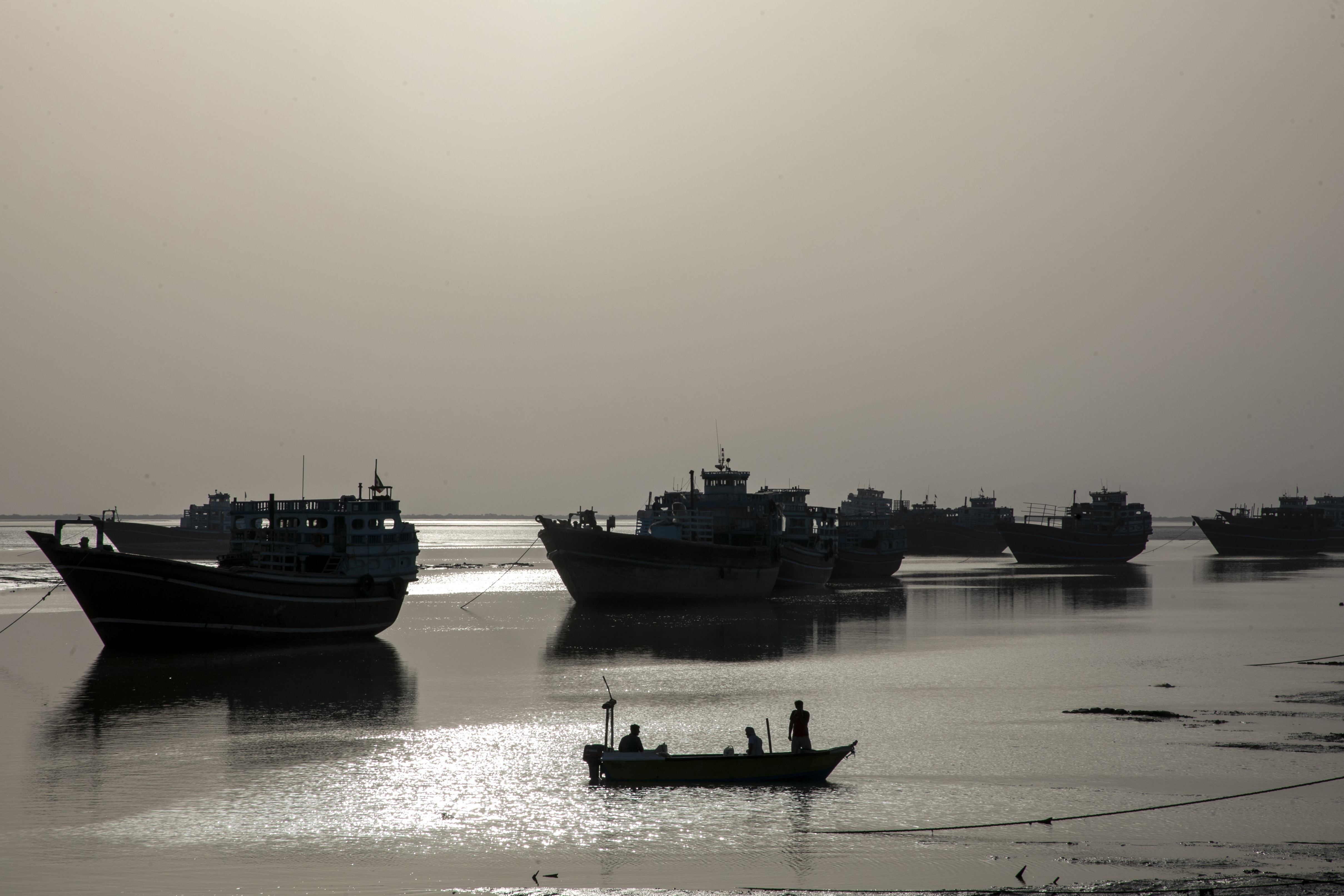
Iran’s Islamic Revolutionary Guard Corps said it attacked the headquarters of the US Fifth Fleet in Bahrain and the Ali Al Salem base in Kuwait with drones, and an air base at Azraq in Jordan with long-range missiles, Al Jazeera reported, in retaliation for American strikes a day earlier on Qeshm Island and Iranian ports along the Strait of Hormuz. The Guard claimed 21 American targets and four destroyed, including a hangar housing F-35s in Jordan; Amman said it shot down five missiles with no damage, and air raid alarms sent Kuwait and Bahrain into shelters once more. Trita Parsi of the Quincy Institute told the network the logic on the Iranian side is now fixed: respond to any American attack proportionately, “but very harshly and swiftly.”
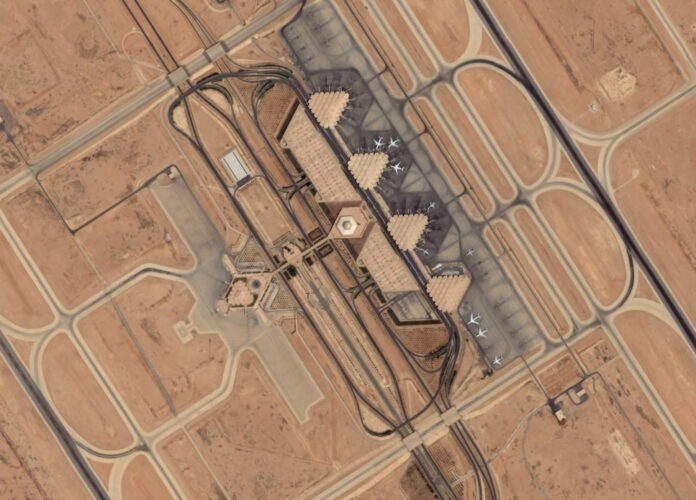
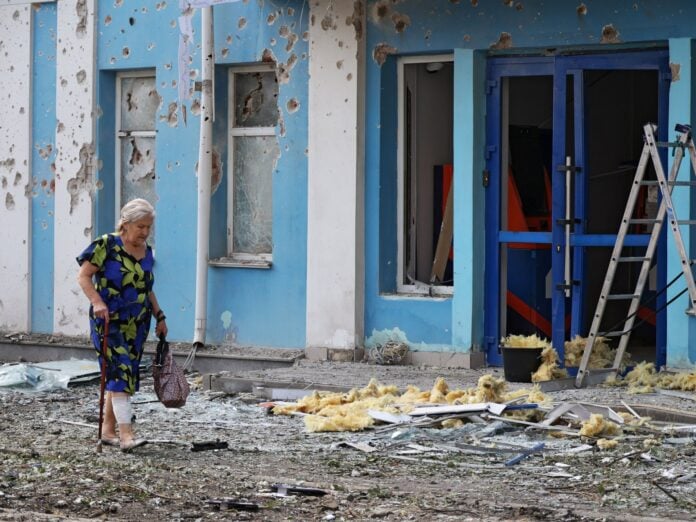
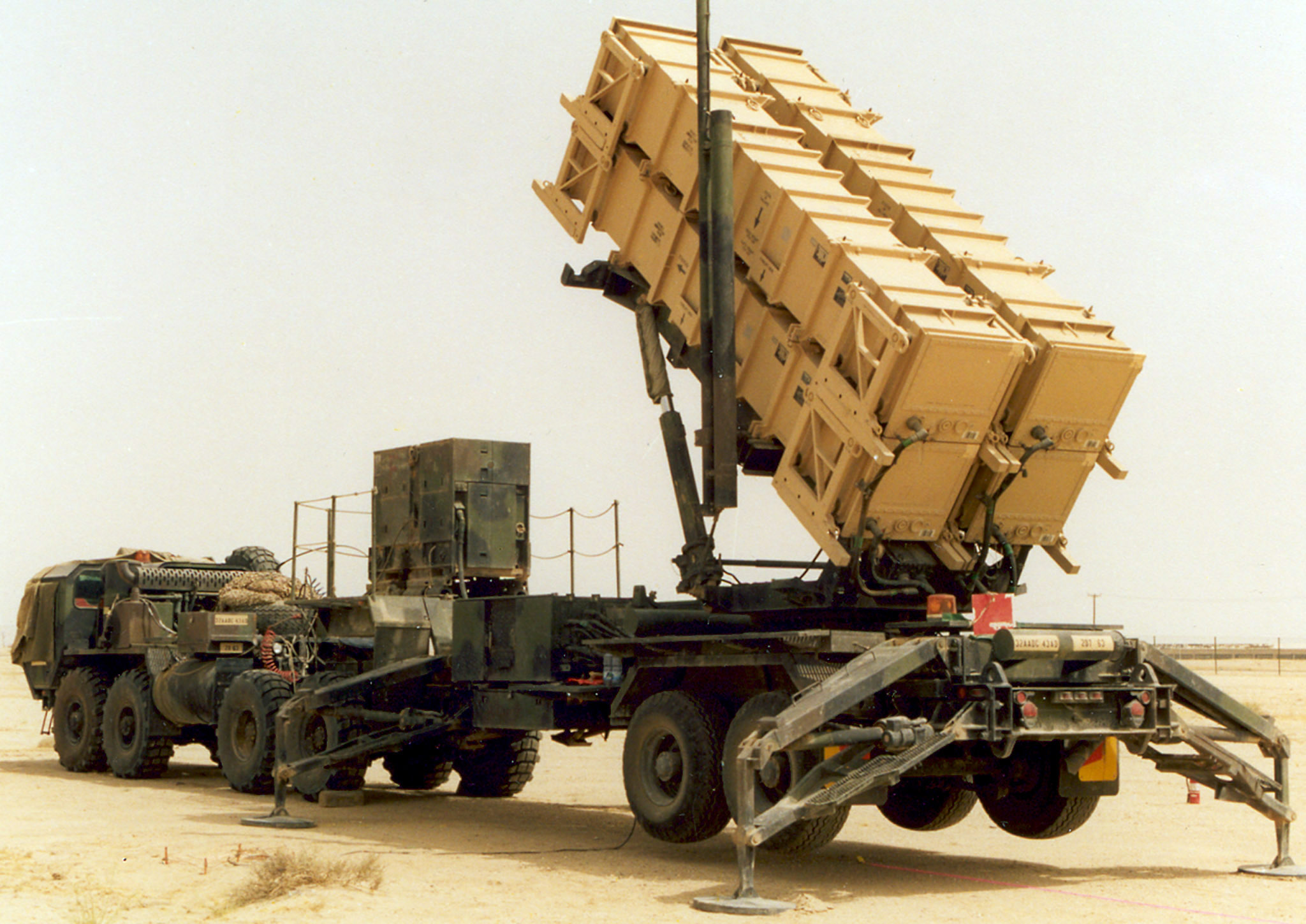
For most of the world this is another rung on an escalation ladder. For India it is a neighbourhood. More than eight million Indians live and work in the Gulf by official estimates, and Kuwait and Bahrain hold some of the densest concentrations: construction workers, nurses, drivers, engineers and accountants whose remittances hold up household economies from Kerala to eastern Uttar Pradesh. When 30 missiles and drones came at Kuwait on June 3, the one confirmed civilian death at the airport was Indian, a fact New Delhi’s foreign ministry registered in a single sentence of condemnation that named no attacker. Tehran, for its part, denied aiming at the terminal at all, blaming a failed Patriot interception, while Kuwait expelled two Iranian embassy staff and moved on to the next alert.
New Delhi’s visible response has been paper. Its embassy in Tehran has had nationals under a shelter-in-place advisory since the spring, with helplines and instructions to avoid military sites and upper floors. There have been condemnations after each strike that touches Indians and standing calls for de-escalation aimed at no one in particular. At home the war arrives differently: through the fuel pumps, where prices have climbed repeatedly since crude crossed 110 dollars, and through neighbourhoods in Kochi and Lucknow where every air raid alarm in Kuwait City means a night of unanswered phone calls.
The restraint is a policy, not an oversight. India has spent this war refusing to choose: it keeps buying Iranian crude among its forty-odd suppliers, keeps its American courtship alive, and keeps its distance from Washington’s escalation, even freezing Starlink’s clearances this week over the conduct of American-owned infrastructure in this same conflict. Strategic autonomy has served New Delhi well on paper. The question this morning poses is what it offers the eight million people who live under the flight paths.
Kuwait has already been through this drill once this month, intercepting seven ballistic missiles over residential areas on Saturday with debris falling across neighbourhoods where Indian families live. Each round so far has ended with shelters emptying and work resuming. Each round has also landed closer to the places Indians sleep.
What India has not done is the thing its own playbook prescribes. There is no announced evacuation operation for the Gulf, no airlift on standby of the kind New Delhi mounted from Sudan in 2023, no public count of nationals registered in Bahrain and Kuwait, and no advisory for the Gulf states themselves beyond the one covering Iran. An evacuation would be an admission that the war has reached the diaspora, with consequences for remittances, for Gulf relationships and for the calm the government projects at home in a week it spent celebrating itself. Not evacuating is also a bet: that the interceptors keep working, that the drones keep missing, and that the next Indian name on a casualty list does not arrive before the war runs out.
Nobody in New Delhi will say the bet out loud, which is how you know it is one. The advisories will be updated, the condemnations will be issued within the day, and in Kuwait City tonight several hundred thousand Indians will check the sky, then their phones, then go back to work. The drones, both sides promise, will be back.