
NEW DELHI — Three days before SpaceX prices what its bankers hope will be the largest stock market debut ever attempted, India has reminded Elon Musk who issues licences here. Security agencies under the Ministry of Home Affairs have withheld the final clearances Starlink needs to begin commercial service in the country, Bloomberg reported, citing official concern over the use of the network’s terminals in the war in Iran.
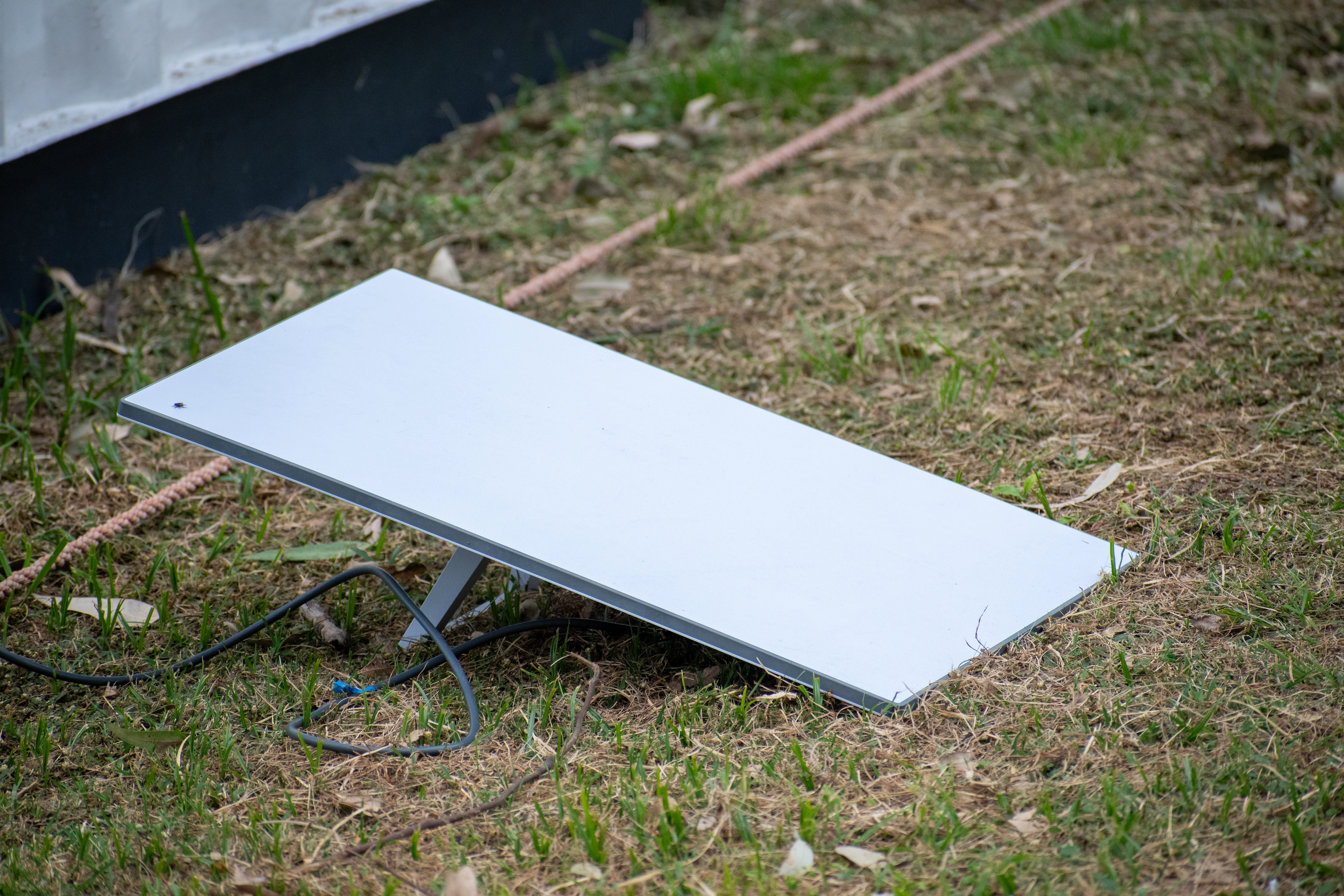
The dishes are the problem. Starlink holds no licence in Iran, yet reports through the conflict have described its terminals working there anyway, and that fact has sharpened a question Indian security officials have been asking for years. If the network functions anywhere and answers to a company in another country, what exactly does an Indian licence control?
According to Bloomberg’s reporting, the clearance file will not move until Starlink explains how, given its global footprint and American ownership, it can guarantee compliance with Indian security requirements when geopolitical tensions produce conflicting demands from foreign governments. That is not a technical question. It is the central question of communications sovereignty, and New Delhi has chosen to ask it in the most expensive week of SpaceX’s corporate life.
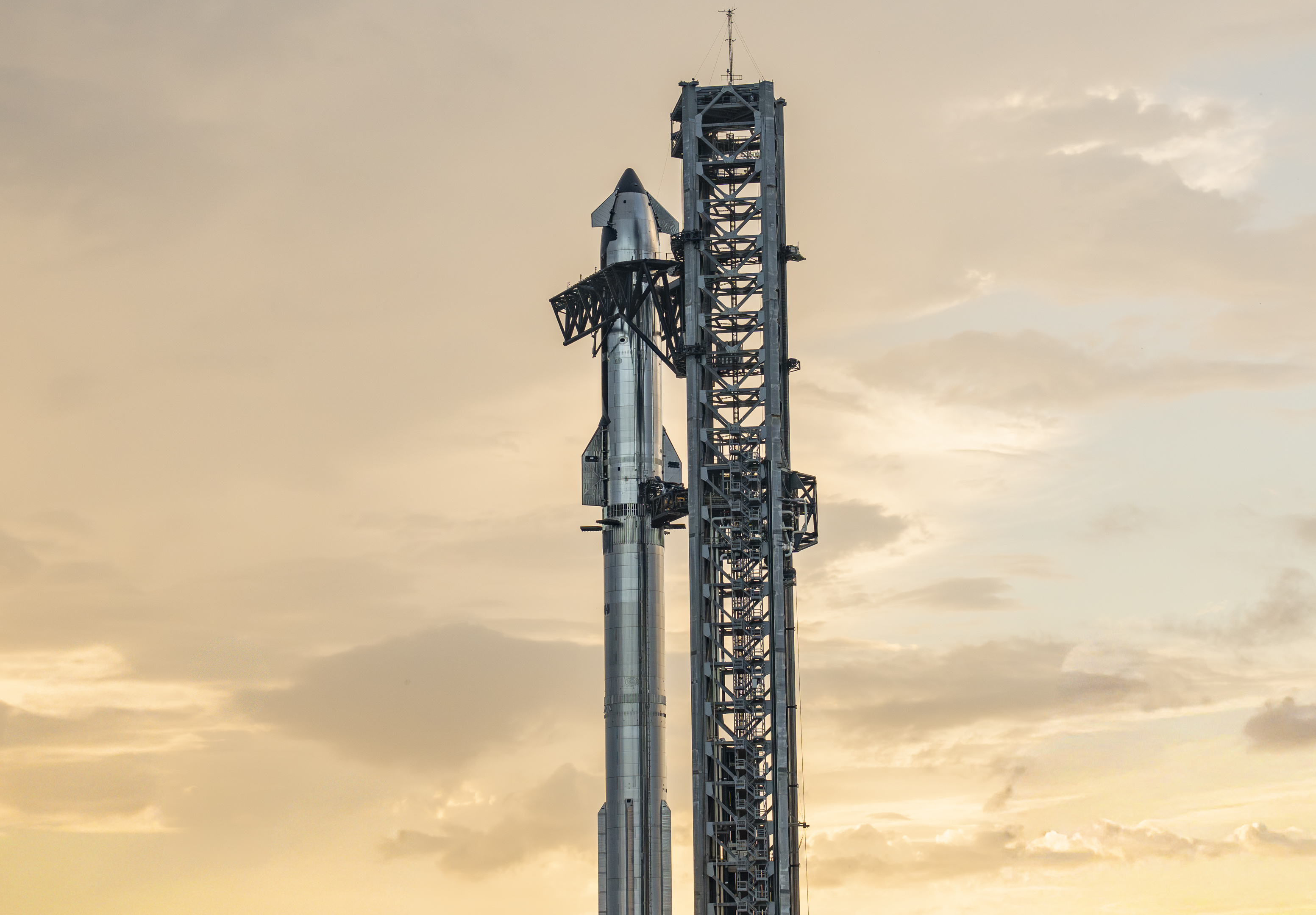
The company filed confidentially for its listing in April, an offering codenamed Project Apex that TechCrunch reported aims to raise as much as 75 billion dollars at a valuation near 1.75 trillion, with 21 banks engaged and a Nasdaq debut expected to price on Friday. The corporation going public is no longer just a rocket company: it spans roughly 10,000 satellites, the xAI artificial intelligence lab and the social network X after a merger earlier this year. What holds the valuation together is Starlink. The connectivity business generated 61 percent of SpaceX revenue last year and 69 percent in the first quarter, according to CNBC. A frozen file in the world’s most populous internet market is not a footnote to that prospectus. It is a line item.
India was supposed to be the proof that Starlink could crack a hard market. The service took preorders here in 2021 and was forced by regulators to refund them. Resistance from domestic telecom operators and the security establishment kept it parked for years, until Airtel and Reliance Jio announced partnerships in March 2025, weeks after Musk met Narendra Modi, and the space regulator’s approval followed. The rollout had become, in the industry’s phrase, a matter of when. The when just moved.
The war supplied the pretext, if one was needed. India has spent the Iran conflict performing a careful balance, urging de-escalation while keeping its energy and diplomatic options open, and absorbing the costs at home, where fuel prices have climbed repeatedly since crude crossed 110 dollars. A government courted by Washington with talk of a strategic reset has shown no appetite for becoming dependent on infrastructure Washington’s most famous billionaire controls. New Delhi has built its foreign policy around strategic autonomy, and a satellite network that ignored licence boundaries in one war is, to the men who write India’s security clearances, a preview of what it might ignore in another.
The leverage in this arrangement runs one way. The freeze costs India nothing: its telecom market functions, its own operators are happy to wait, and the optics of making an American giant queue play well in a sovereignty-minded capital. For SpaceX the arithmetic is harsher. Every growth story told to IPO investors leans on markets exactly like this one, and the company cannot say when this one reopens.
What no one will say publicly is what would unfreeze the file. Neither SpaceX nor the home ministry has commented on the Bloomberg report. It is not clear what guarantee of compliance would satisfy agencies whose core objection is structural, nor whether the file stays cold deliberately until the IPO prices and the leverage peaks. Investors deciding what 1.75 trillion dollars buys them this week will have to price that silence themselves.
On Friday, SpaceX will ask the public markets to declare it the most valuable company ever listed. One of the answers it needs is sitting in a file in New Delhi, and the men holding it are in no hurry at all.