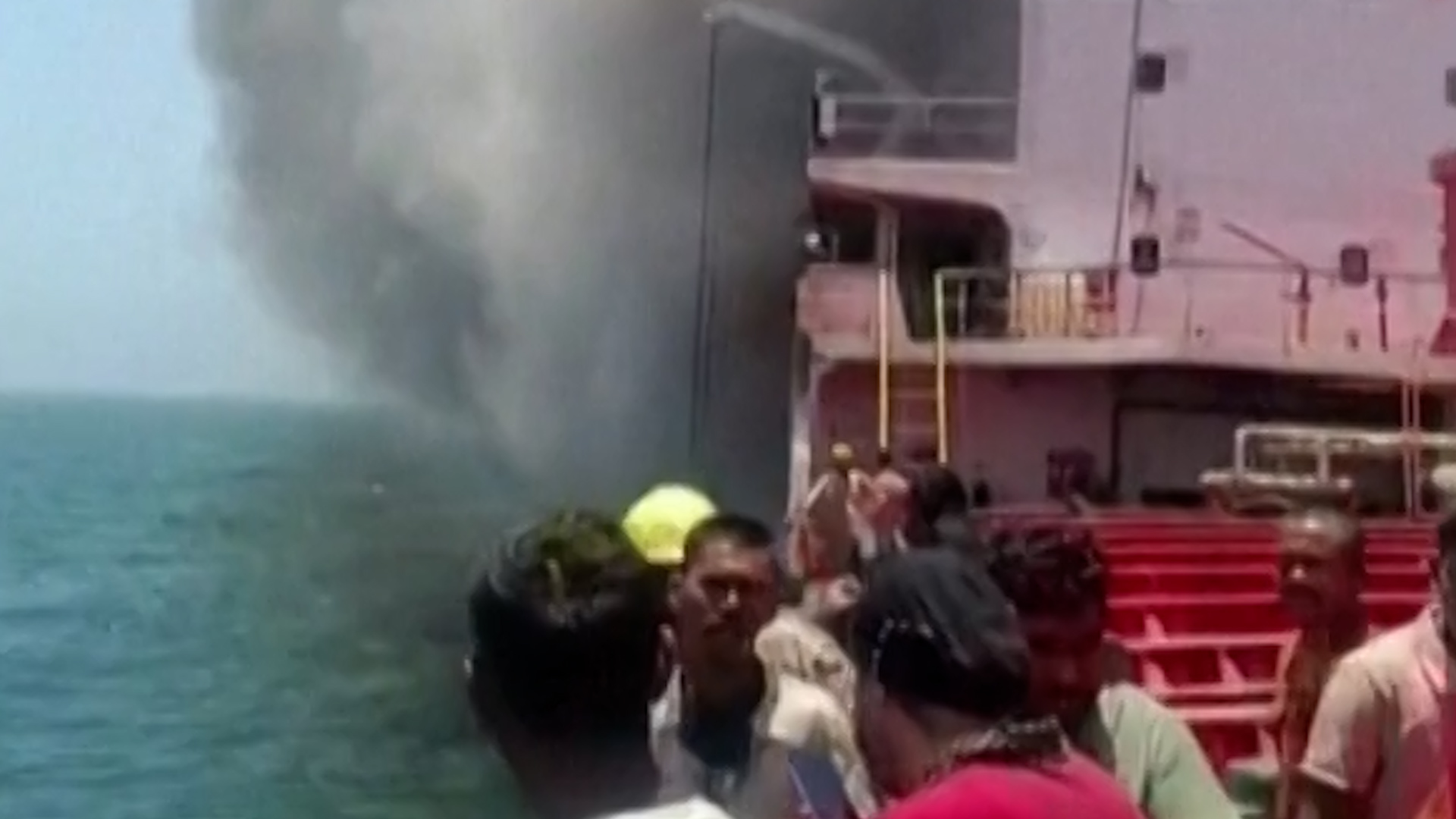

NEW DELHI — The distress call wasted no words. “We have fire on board and vessel is sinking,” the crew of the MT Marivex transmitted from the Gulf of Oman on Monday. “US Navy attack, the missile on our engine room. We have hole at the bottom. 24 crew. All crew Indian. Please help quickly.”
The men were identifying their attacker while their ship burned under them. Their government, three days later, has yet to do the same.
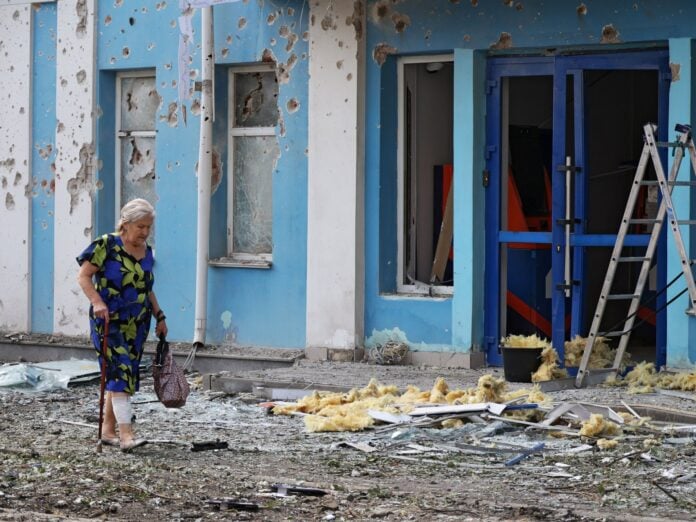
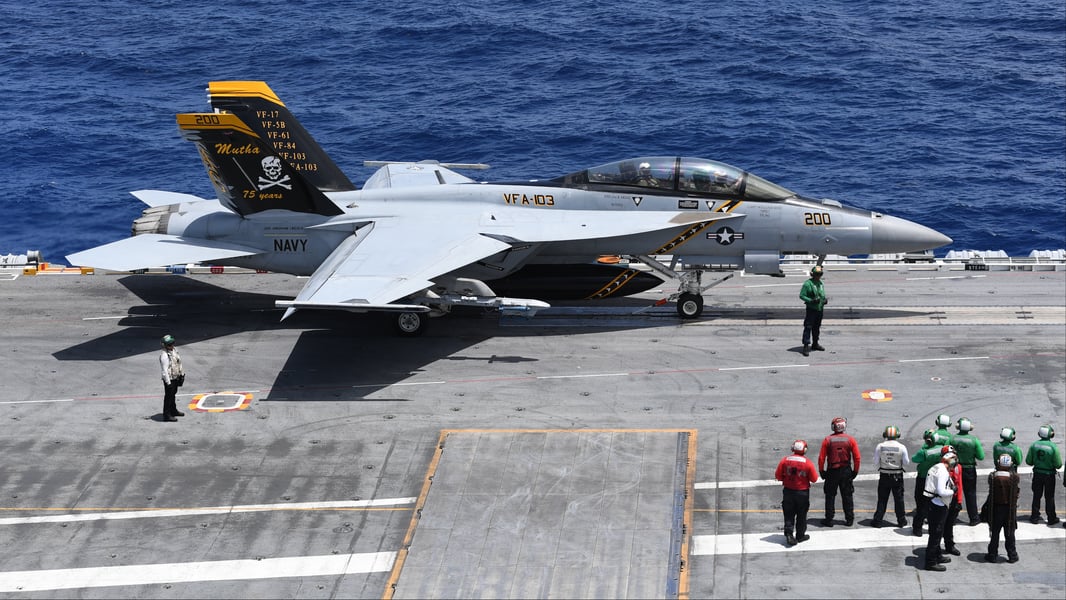
The American account is not in dispute. US Central Command said an F/A-18 Super Hornet flying from the carrier USS Abraham Lincoln “fired a precision munition into the ship’s engineering and steering spaces” after the tanker failed to comply with instructions, part of the blockade Washington has thrown around Iranian ports. The Marivex, Palau-flagged and formerly named Arihant, sails under American sanctions, as does its owner, and had reportedly made repeated runs at the Strait of Hormuz blockade with its transponder dark, the BBC reported in a reconstruction of the incident. None of that changes what was inside the hull when the munition arrived: an engine room on fire and two dozen Indian citizens.
The rescue moved faster than most governments do. Fire broke out around 8am GMT; by 8:45 the Forward Seamen’s Union of India was receiving distress messages; by 9:13 India’s embassy in Muscat was responding; by 9:55 a Royal Air Force of Oman helicopter was lifting off from Masirah Island, and within the half hour it was over the burning ship. All 24 crew were taken off alive and brought to Masirah, Al Jazeera reported, while Dawn’s account described Indian naval helicopters joining the airlift, a discrepancy in the rescue’s telling that nobody involved has bothered to resolve, perhaps because the only number that mattered came out the same: twenty-four up, none lost.
Then came New Delhi’s statement, and the silence folded inside it. The foreign ministry declared itself grateful to the Omani government for its excellent support in rescuing the crew. India’s shipping ministry confirmed a fire aboard and declined to discuss its cause. Nowhere in the official record does the government of India acknowledge what its own citizens radioed from the water: that the fire had a sender. It is the third such silence in a week. When an Iranian barrage killed an Indian at Kuwait’s airport, the condemnation named the attack and not the attacker. Gratitude, in this foreign policy, always has a subject. Blame never does.
The harder question is the one underneath the incident: what were 24 Indians doing aboard a sanctioned shadow-fleet tanker in a war zone? The answer is an industry. Indian seafarers crew a large share of the world’s merchant tonnage, including the grey fleet that moves sanctioned crude for whoever pays, and the cargoes that fleet carries include the discounted barrels India’s own refineries have leaned on while prices climb at home. The men on the Marivex were working the far end of a supply chain that terminates at Indian fuel pumps. Their employer is sanctioned. Their labour is what keeps the arrangement deniable.
Washington will note, correctly, that it disabled rather than sank, that the crew was warned, and that blockade-running tankers assume their risks. New Delhi will note nothing at all, which is its own kind of answer. There is no public indication that India has sought an explanation from the United States, no advisory warning its seafarers off sanctioned hulls, and no comment on whether the subject came up in any of the week’s many celebrations of Indian standing in the world. The seamen’s union heard from the crew before the government did. That detail, small and procedural, says most of what there is to say about who carries the risk in India’s balancing act.
The 24 men are safe on Masirah Island, and their accounts, when they surface, will be worth more than every statement issued so far. They are, for now, the only Indians in this story who have said plainly what happened to them. Their first sentence named the attacker. Their government’s last one thanked the neighbour who cleaned up.