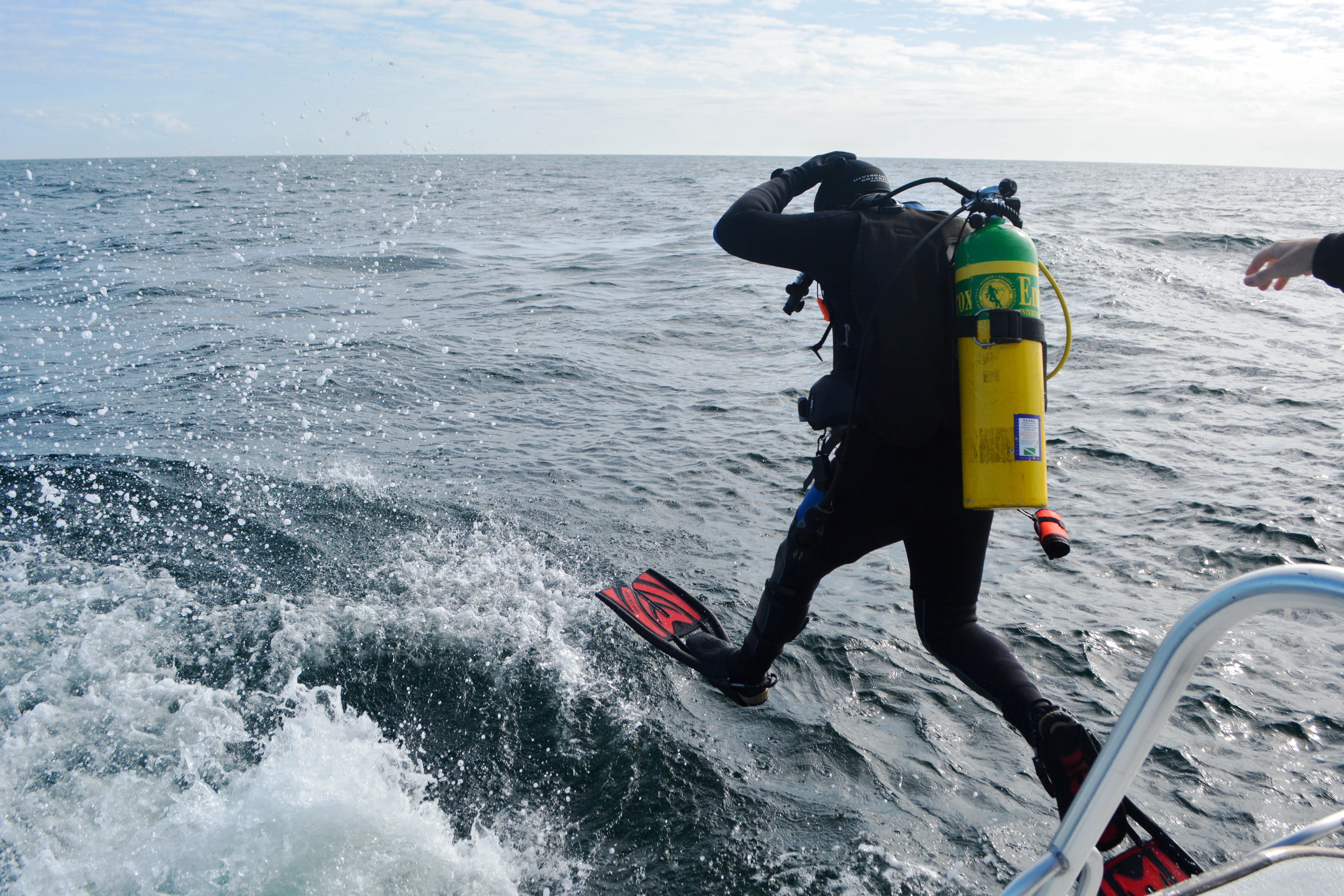

WASHINGTON — The ships working off the Oregon coast this month are not deploying scientific instruments. They are hauling them up. At the moment oceanographers fear the Atlantic’s great circulation is faltering and marine heat is breaking records for a ninth straight year, the United States has begun pulling its eyes out of the deep ocean, sensor by sensor.
The system being dismantled is the Ocean Observatories Initiative, a $368 million network of roughly 900 instruments anchored across the Pacific and Atlantic since 2016 and designed to run for decades. The National Science Foundation announced on May 21 that it had initiated what it called a descoping of the program, and the plan, CNN reported, removes all in-water infrastructure from arrays off Oregon, Washington, Alaska and North Carolina and from the Irminger Sea between Greenland and Iceland, with the instruments to be recovered over 15 months. The Endurance Array off the Pacific Northwest is coming out of the water first, with recovery operations underway in June.
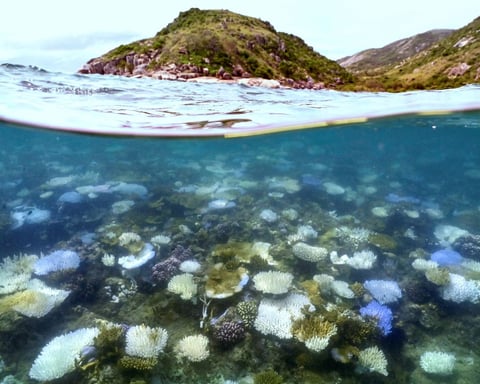
The timing is what alarms the people who use the data. The world’s oceans have absorbed record heat year after year, forecasters see conditions building toward a powerful El Niño, and a growing body of research warns that the Atlantic Meridional Overturning Circulation, the current system that moves heat through the Atlantic, could weaken toward collapse within this century. The instruments now being winched onto decks were built to catch exactly those signals early.
Stefan Rahmstorf, who studies the physics of the oceans at Potsdam University in Germany, told CNN that ongoing monitoring of the ocean is critical, especially now, with the research community increasingly anxious about changes in the currents. The Irminger Sea array sits in the engine room of the overturning circulation, one of the few places on Earth where the sinking of cold, dense water that drives the system can be measured directly. A collapse would redraw the climate of the Atlantic rim: faster sea level rise on the US East Coast, harsher European winters, failed rains across parts of Africa.
The losses run from the planetary to the immediately practical. Jan Newton, an oceanography professor at the University of Washington, told CNN the decision is counterintuitive because it defunds the things that maintain maritime strength, and fishing fleets in the Pacific Northwest lean on the network’s oxygen readings to anticipate the low-oxygen zones that suffocate Dungeness crab. Chris Robbins of the Ocean Conservancy described the result as an irreparable blind spot in predicting everything from fishery health to storm behavior and coastal flooding.
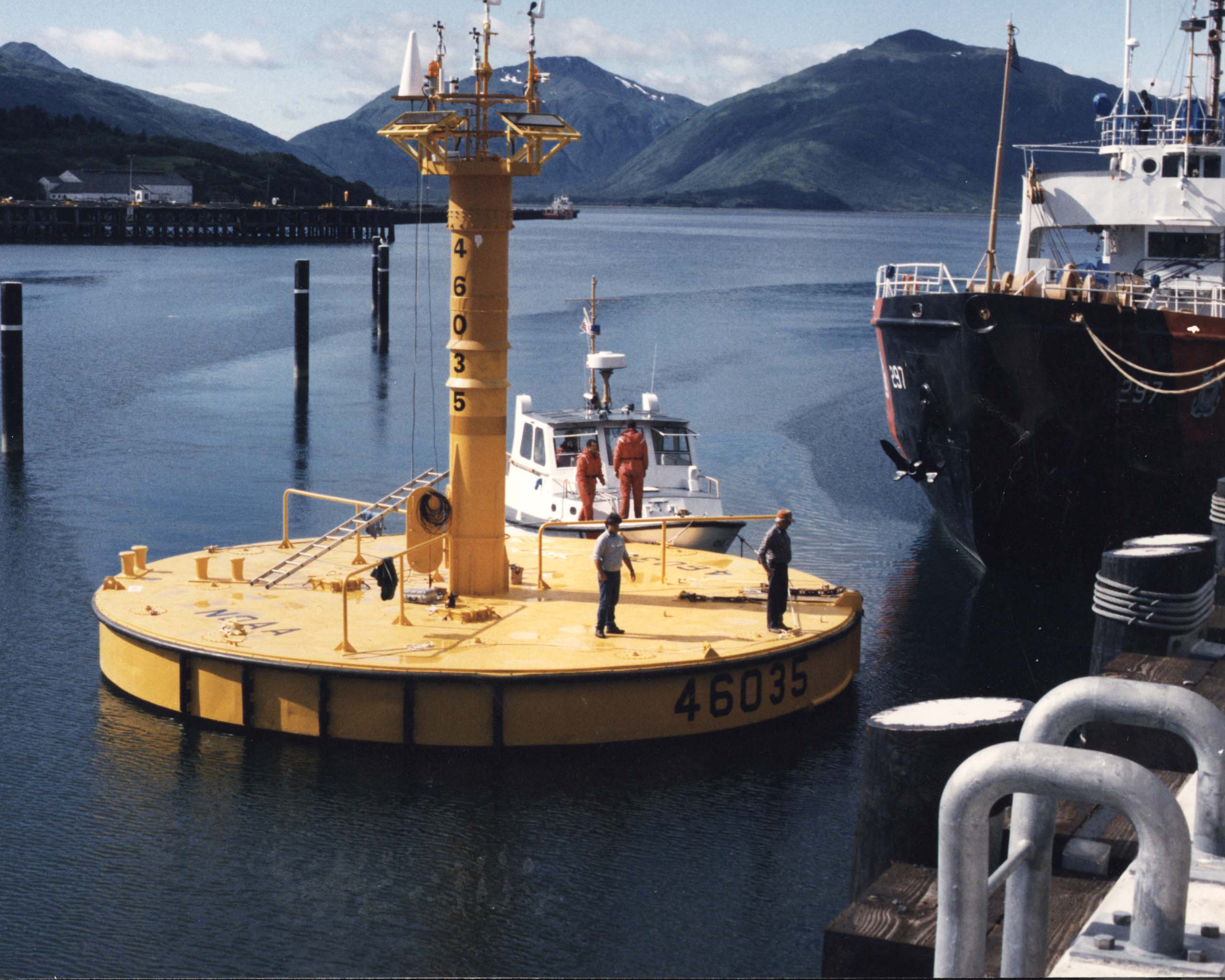
The National Science Foundation insists the program is not dead. Mike England, the agency’s media affairs head, told CNN the descoping reflects a nimbler approach and smart lifecycle management, and that the initiative is not cancelled. What the agency has not provided, to CNN or anyone else, is a list of what survives. As of this week there is no public accounting of which instruments stay wet, which data streams continue, or what replaces the arrays being removed. The program’s future exists, officially, but no one outside the agency can say what it looks like.
The political history is less ambiguous. The administration’s fiscal 2026 budget proposals sought cuts of around 80 percent to the program’s funding, and Congress declined to enact them. The agency moved ahead with the descoping anyway, a sequence that has drawn accusations that the executive is achieving by administration what it could not get by appropriation. Senator Sheldon Whitehouse of Rhode Island, the chamber’s most insistent voice on ocean policy, put the charge bluntly in a post on X: fossil fuel is heating the oceans by the zettajoule, he wrote, and the administration’s allies want to turn off the monitors.
Rick Spinrad, who ran the National Oceanic and Atmospheric Administration under the previous administration, framed the decision as a false economy, telling CNN he would call it penny wise, tons foolish. The arithmetic he points to is uncomfortable for the cost-cutters: the $368 million is already spent and sitting on the seafloor, and the roughly $48 million a year it takes to keep the data flowing is a rounding error against the cost of a single unforecast hurricane season or a collapsed crab fishery.
The blindness will not be confined to American waters. The network’s data flowed openly to researchers worldwide, one of the public goods that made US science infrastructure the reference point for everyone else’s. Helen Findlay, a biological oceanographer at Plymouth Marine Laboratory in the UK, told CNN that without sustained observations the world is effectively choosing to navigate an increasingly volatile ocean with diminishing visibility. Her phrasing lands harder against the backdrop of the past week, in which a UN assessment by 600 scientists warned the ocean is nearing a tipping point after marine heatwaves touched nearly 90 percent of the sea in 2025.
Other governments are moving in the opposite direction. French Polynesia placed 520,000 square kilometres of the Pacific under protection this week, and the diplomats assembling November’s climate summit in Antalya are building their agenda around energy security and electrification. The country that built the most advanced ocean observing system in the world is, for now, the one taking its instruments home.
What happens to the data record is its own quiet casualty. Time series are the currency of climate science, and a decade of continuous measurement from a fixed point in the Irminger Sea cannot be restarted later without a scar through the middle of it. Helen Palevsky, an oceanographer at Boston College who has worked with the Irminger observations, has called the site one of the hardest engineering problems in ocean science, solved at great cost precisely because the location mattered. The instruments survived a decade of North Atlantic winters. They did not survive a budget cycle.
The recovery ships will keep working through 2027, and the Pioneer Array off the East Coast is scheduled to come up last, in June of that year. Whether any part of the network is still transmitting by then is a question the National Science Foundation has so far declined to answer. The ocean, meanwhile, keeps warming on schedule, watched by fewer instruments every month.