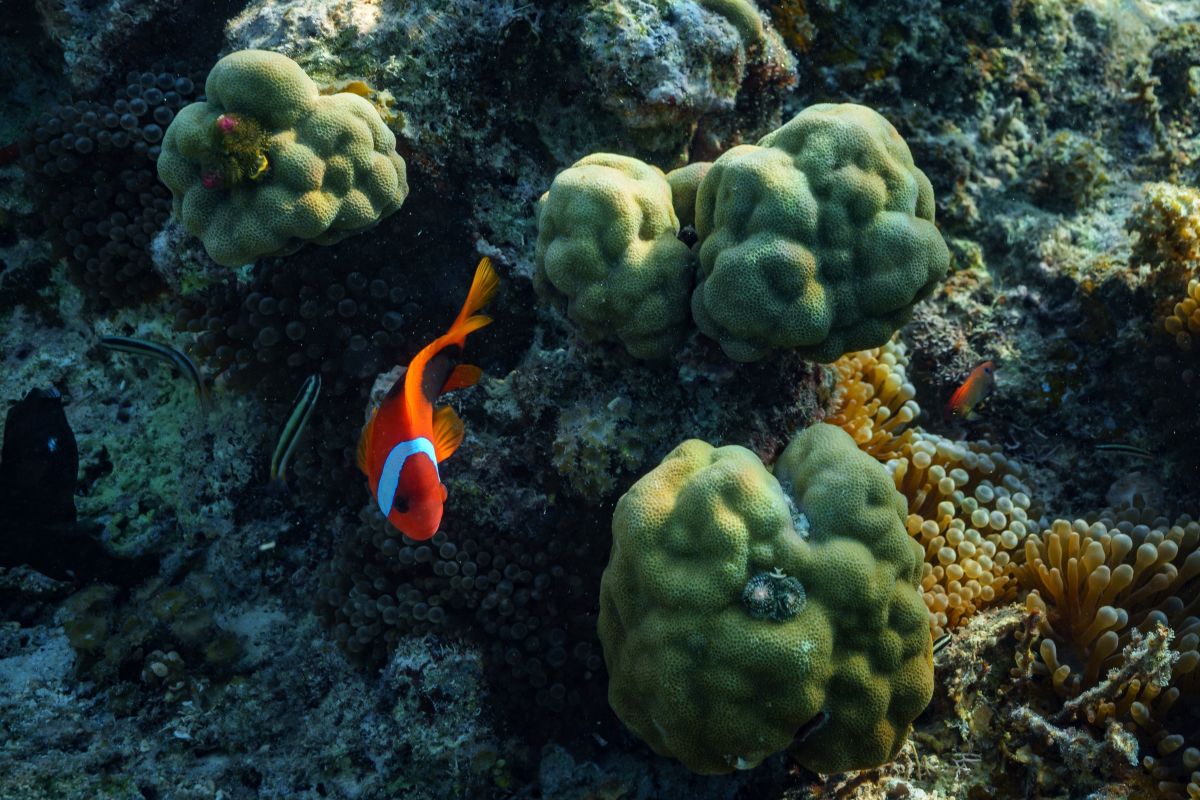

PAPEETE — A scattering of islands in the South Pacific has just placed a stretch of ocean nearly twice the size of mainland France beyond the reach of the industries that strip the sea. French Polynesia has created what is now the world’s largest marine protected area, closing a vast expanse of its waters to mining, trawling and industrial fishing in a single sweeping decision.
At the centre of the plan is a zone of 520,000 square kilometres around the Austral and Marquesas Islands that will carry the highest level of protection, where no seabed mining, no bottom trawling and no industrial fleets are permitted. Folded together with artisanal fishing zones and two fully protected cores, the managed area covers roughly 1.08 million square kilometres, and the territory’s president announced it this week as governments gathered for the United Nations Ocean Conference.
The language the announcement used mattered as much as the map. President Moetai Brotherson called the ocean the source of life, culture and identity for his people, and said the territory was asserting its ecological sovereignty while creating biodiversity sanctuaries for future generations. He set the decision against a long inheritance rather than a sudden conversion. We have been managing this exclusive economic zone wisely for centuries, he said, using techniques passed down from ancestors, but the moment had come to take a bold step in line with the standards of the International Union for Conservation of Nature.
The numbers are large enough to reshape the global tally of protected sea. Brotherson has pledged to add more artisanal zones and two further fully protected reserves near the Austral and Marquesas islands within the year, which would lift the total of fully and highly protected water to around 2.5 million square kilometres, more than half of everything French Polynesia governs. For a territory whose land is a few specks in an enormous ocean, the gesture is almost entirely about the water.
What is being kept out is as telling as what is being kept. The ban falls on the industrial trawlers that scrape the seabed and on the deep-sea mining industry that has spent years eyeing the mineral-rich floor of the Pacific, lobbying to open it before the science on the damage is settled. A small island government has drawn a line that far larger states and well-funded mining firms have worked to keep blurred, and it has done so over its own waters rather than waiting for a distant authority to act first.
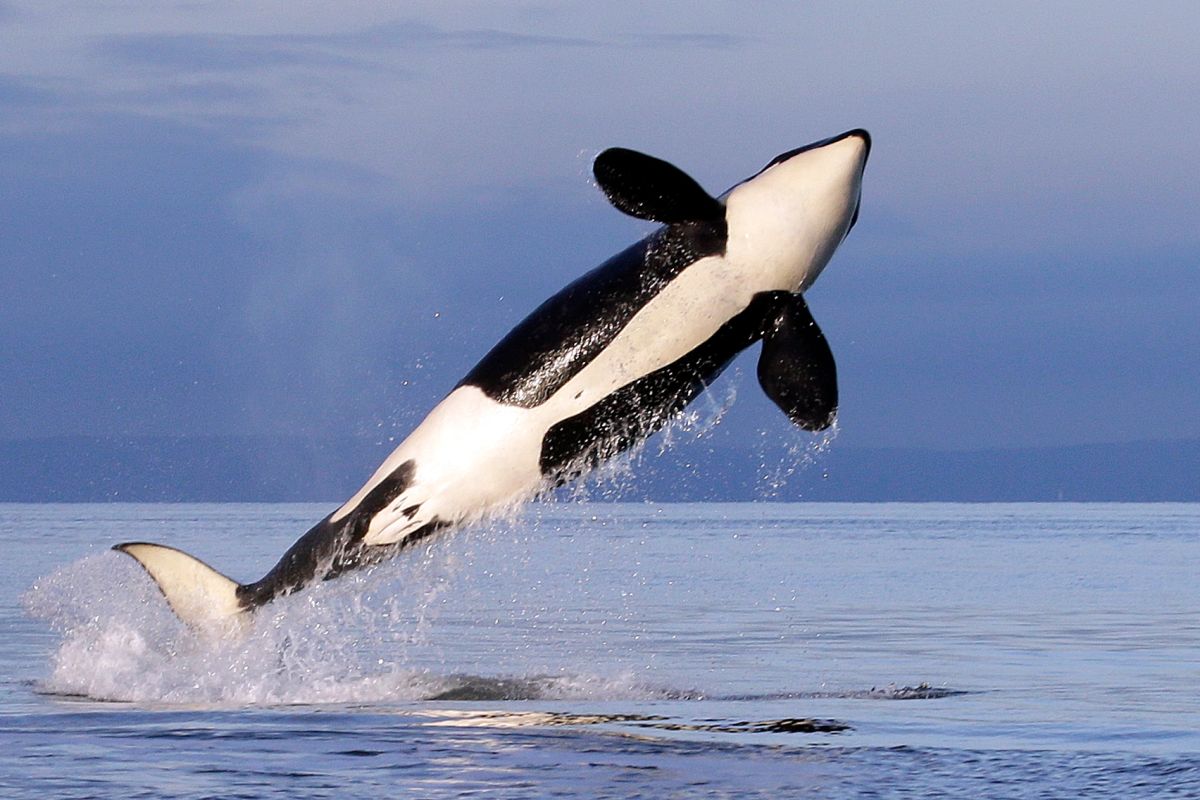
The move lands as the wider effort to shield the seas reaches a turning point. A new global treaty covering marine life in the high seas is coming into force, part of a push to shield waters that belong to no single nation, and governments have committed on paper to protecting nearly a third of the ocean by 2030. Most of that target remains unmet, and much of what is labelled protected is barely policed, which is what makes a concrete designation of this scale unusual rather than routine.
There is a pointed edge to the phrase ecological sovereignty in the mouth of a leader whose territory is still administered from Paris. Brotherson framed the protection as the work of Oceanians acting for their own sea, an indigenous Pacific people setting the terms for their waters and measuring themselves against an international conservation body rather than the metropole. It is a quieter cousin of the political argument over French Polynesia’s future, fought this time over reefs and fishing grounds rather than statutes, and it places the islands among the front line of a living world in steep decline while richer governments let their own climate ambition slip.
A protected area is only ever as real as the patrols that enforce it, and policing an ocean this size from a handful of islands is its own enormous task. The test now is whether French Polynesia can guard what it has drawn on the map against distant fishing fleets and the mining interests that will not lose interest, and whether wealthier nations match an ambition that treats the protection of biodiversity as a duty rather than a slogan. The reefs, and the people whose lives are tied to them, are betting that the line will hold.