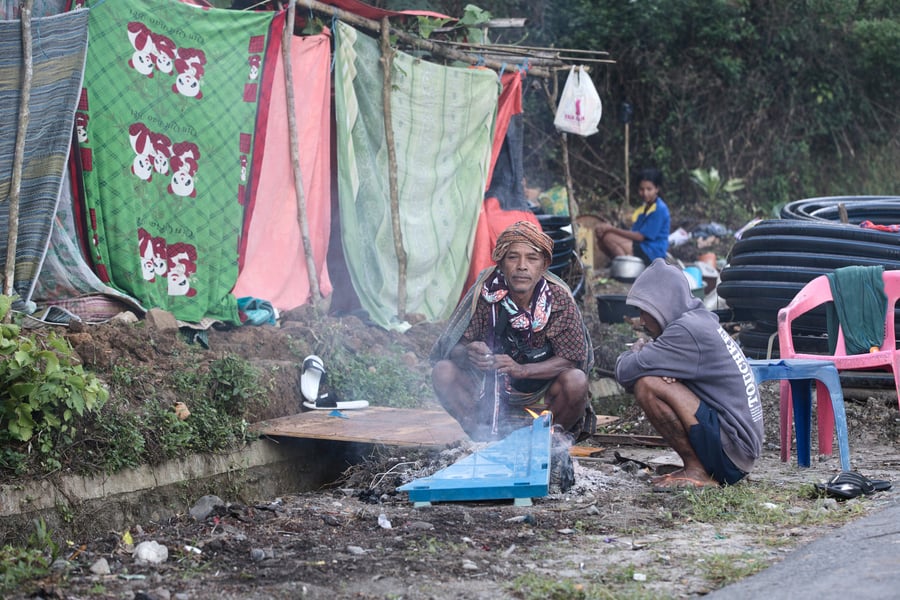

CHIAPAS – When the ground shook along Mexico’s Pacific coast on Friday, residents in coastal Chiapas did not wait for official guidance. They moved toward higher ground.
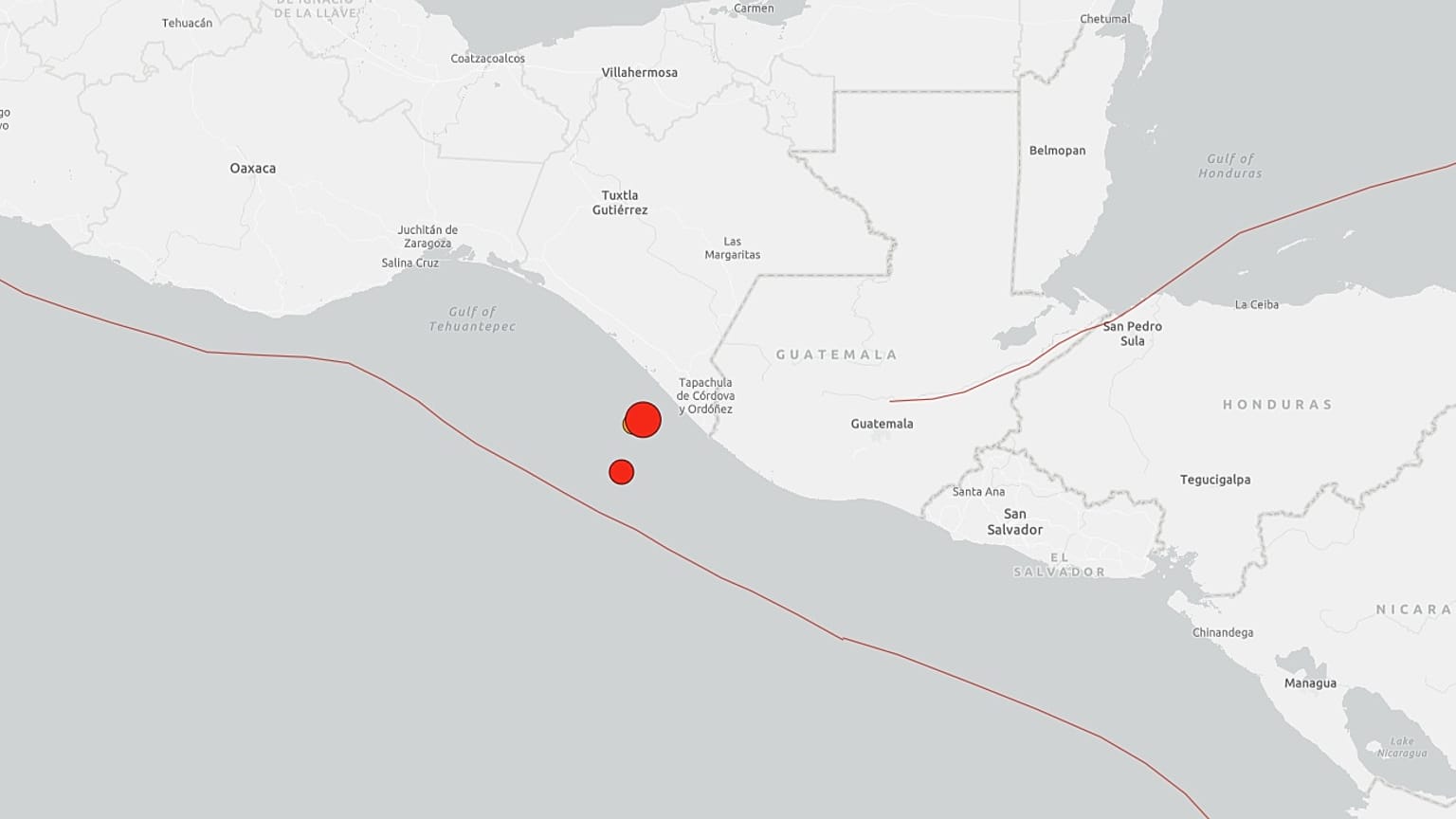
A magnitude 7.3 earthquake struck 48 kilometers southwest of Aquiles Serdán in the southern Mexican state of Chiapas at a depth of approximately 15 kilometers, the United States Geological Survey confirmed. As Euronews reported, the shallow focus amplified the intensity of the shaking across southern Mexico and into neighboring Guatemala, El Salvador, and parts of Honduras, where emergency protocols were activated across the region.
The Pacific Tsunami Warning Center issued an alert covering a 300-kilometer radius around the epicenter, warning that hazardous waves reaching up to one meter above normal tide levels were possible along Mexico and Guatemala’s Pacific coastlines. Coastal communities in both countries were advised to move away from beaches and low-lying shorelines pending official assessment of wave data from ocean sensors.
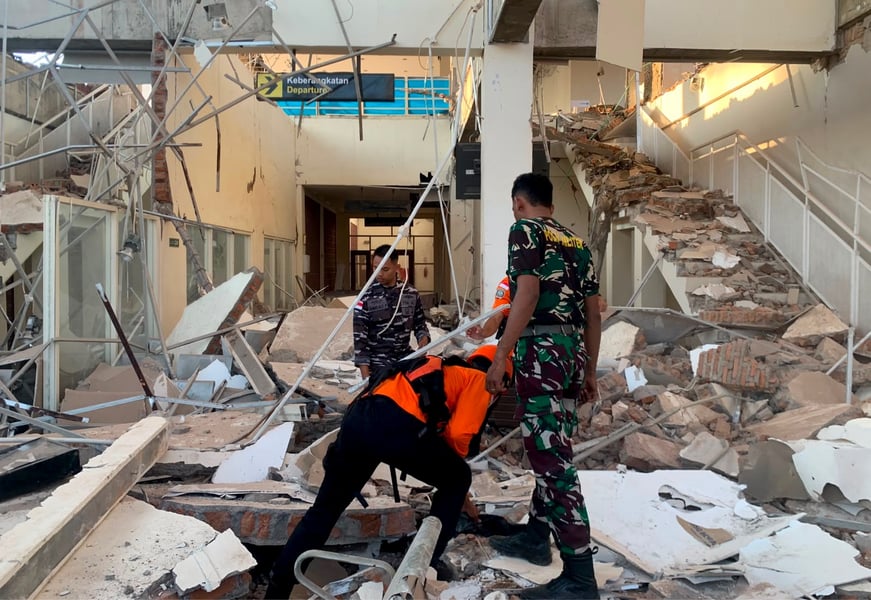
Mexican President Claudia Sheinbaum said preliminary reports from the states of Chiapas and Tabasco showed no structural damage in the immediate hours after the quake. Guatemala’s President Bernardo Arevalo confirmed that no fatalities had been reported in his country.
The USGS recorded at least five aftershocks measuring between magnitude 5.1 and 6.0 in the hours following the main event, a pattern consistent with major shallow-focus earthquakes along the subduction zone where the Cocos tectonic plate dives beneath the North American plate. That subduction zone runs the full length of Mexico’s Pacific coast and has generated some of the hemisphere’s largest earthquakes over the past century.
Southern Mexico sits on the Pacific Ring of Fire, the 40,000-kilometer arc of tectonic boundaries encircling the Pacific Basin that accounts for approximately 90 percent of the world’s earthquake activity. The state of Chiapas lies at the convergence of the Cocos, North American, and Caribbean plates, making it one of the most geologically active zones in the Western Hemisphere, subject to significant seismic events with a frequency that distinguishes it from most of the continent.
The Chiapas coast last experienced a major seismic event in September 2017, when a magnitude 8.1 earthquake killed dozens and caused severe structural damage across the state and neighboring Oaxaca. That event struck twelve days before a separate magnitude 7.1 earthquake centered near Mexico City killed more than 360 people and collapsed hundreds of buildings across the capital, making the 2017 sequence the most destructive the country had experienced in a generation.
Mexico’s national seismological alert system, SASMEX, transmits warnings through loudspeakers and sirens installed in major cities, typically giving residents between 45 and 90 seconds of advance notice before significant shaking begins. For communities in coastal Chiapas, the proximity of Friday’s epicenter would have compressed or eliminated that window, requiring residents to respond immediately to ground motion rather than to an alarm.
The shaking was felt across a broad area of southern Mexico, including the states of Oaxaca and Tabasco, and throughout much of Guatemala, where authorities ordered precautionary evacuations of government buildings and schools. El Salvador and Honduras also reported feeling the tremors, though early official assessments from both countries found no damage or casualties.
The Pacific Tsunami Warning Center’s alert system deploys ocean wave sensors that must confirm actual wave generation before authorities can elevate or cancel warnings. A one-meter wave, while modest in deep-ocean terms, carries significant destructive force in low-lying coastal areas with dense residential development. Communities along Mexico and Guatemala’s Pacific shores were awaiting the center’s all-clear assessment as of late Friday afternoon local time.
Seismically active Latin America has seen a string of significant earthquakes in 2026. The twin earthquakes that killed 589 people in Venezuela in June 2026 involved a comparable seismic dynamic, with shallow-focus events producing amplified shaking in a densely populated coastal zone. The frequency of major earthquakes across the region has prompted renewed calls from geologists for updated building codes and early-warning system expansion in Central America and northern South America.
What remained unknown as of Friday afternoon was whether the aftershock sequence had peaked, whether damage had occurred in remote coastal communities not yet assessed, and whether the tsunami warning would be fully cancelled or remain in effect through the evening. Chiapas is among Mexico’s poorest states, with significant indigenous populations in coastal and mountainous areas where infrastructure is limited and damage assessments often take days to reach authorities.