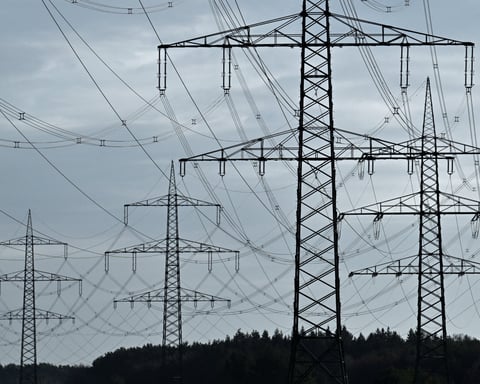

HYDERABAD — The wire had been throwing sparks for two days before Tuesday’s rain arrived, by the account residents of Bandlaguda gave local reporters. When the downpour finally came and the line snapped near the Royal Sea Hotel, the water in the street did the rest. An auto-rickshaw driver of about 30 and a boy of about 15 died there, electrocuted in the season’s first hard rain.
The Hindu reported the two deaths as rain lashed the city on Tuesday evening, and the Times of India described the same sequence, a live wire snapping in the rain over a waterlogged stretch. The victims’ names had not been formally released by Wednesday morning, and this account relies on those reports and on what neighbors told reporters at the scene.
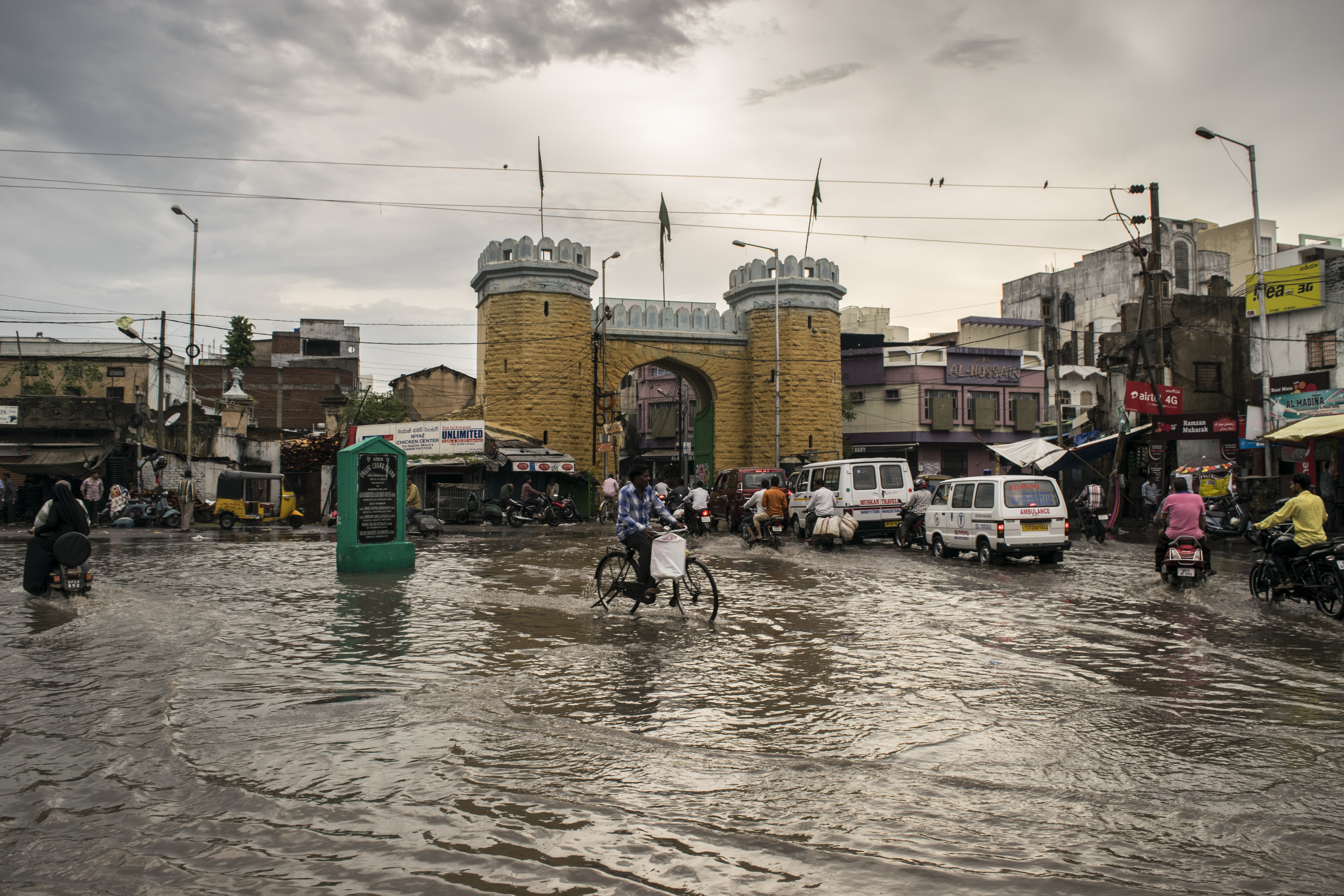
What makes the deaths land harder is the calendar. The southwest monsoon has not officially arrived in Telangana. Tuesday’s downpour was the advance guard, the pre-monsoon convection that runs ahead of the front, and it was enough to flood major junctions knee-deep, bring down trees and collapse a slab at the Old Heritage Kaman in Chhatta Bazar that damaged electrical lines on its way down. The city’s infrastructure failed a test the season has not yet begun to administer.
The accountability question is already on the table. Residents in Bandlaguda say the sparking wire was flagged to the Greater Hyderabad Municipal Corporation two days before it killed two people. The civic body had not publicly responded to that claim by Wednesday morning, and that silence is part of this story until it breaks.
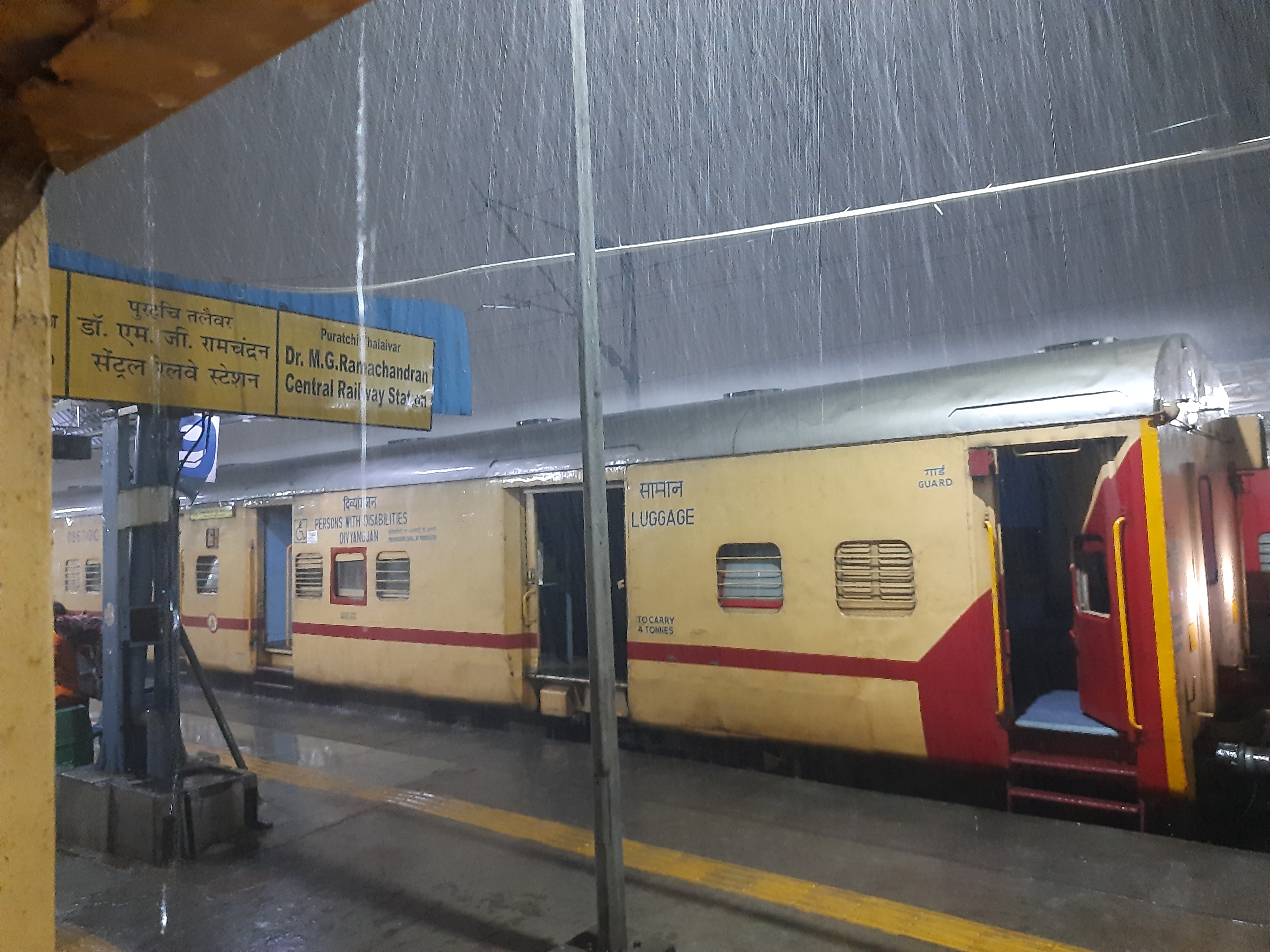
Across the city the rain played out the way Hyderabad’s storms usually do, fast and unevenly. Vehicles waded through standing water at the bigger intersections, traffic stacked up through the evening, and crews worked overnight on the fallen trees and damaged lines. By 8:30 on Wednesday morning the Met Centre Hyderabad was reading a deceptive calm, 29 degrees Celsius, 78 percent humidity, wind at barely 4 kilometers per hour.
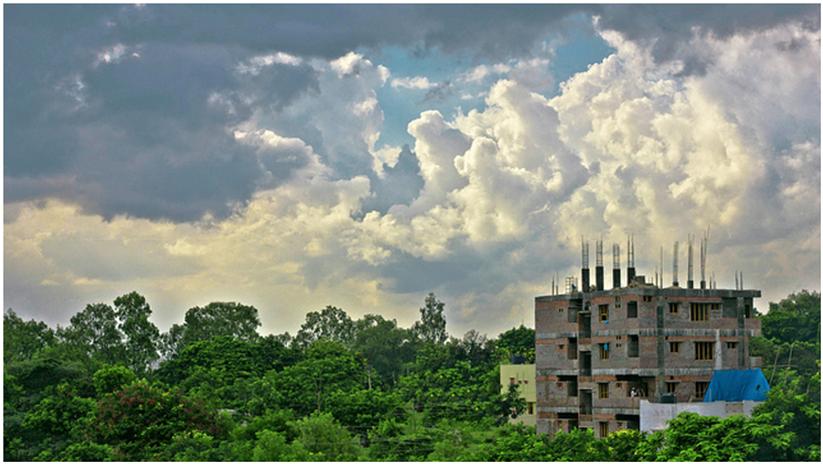
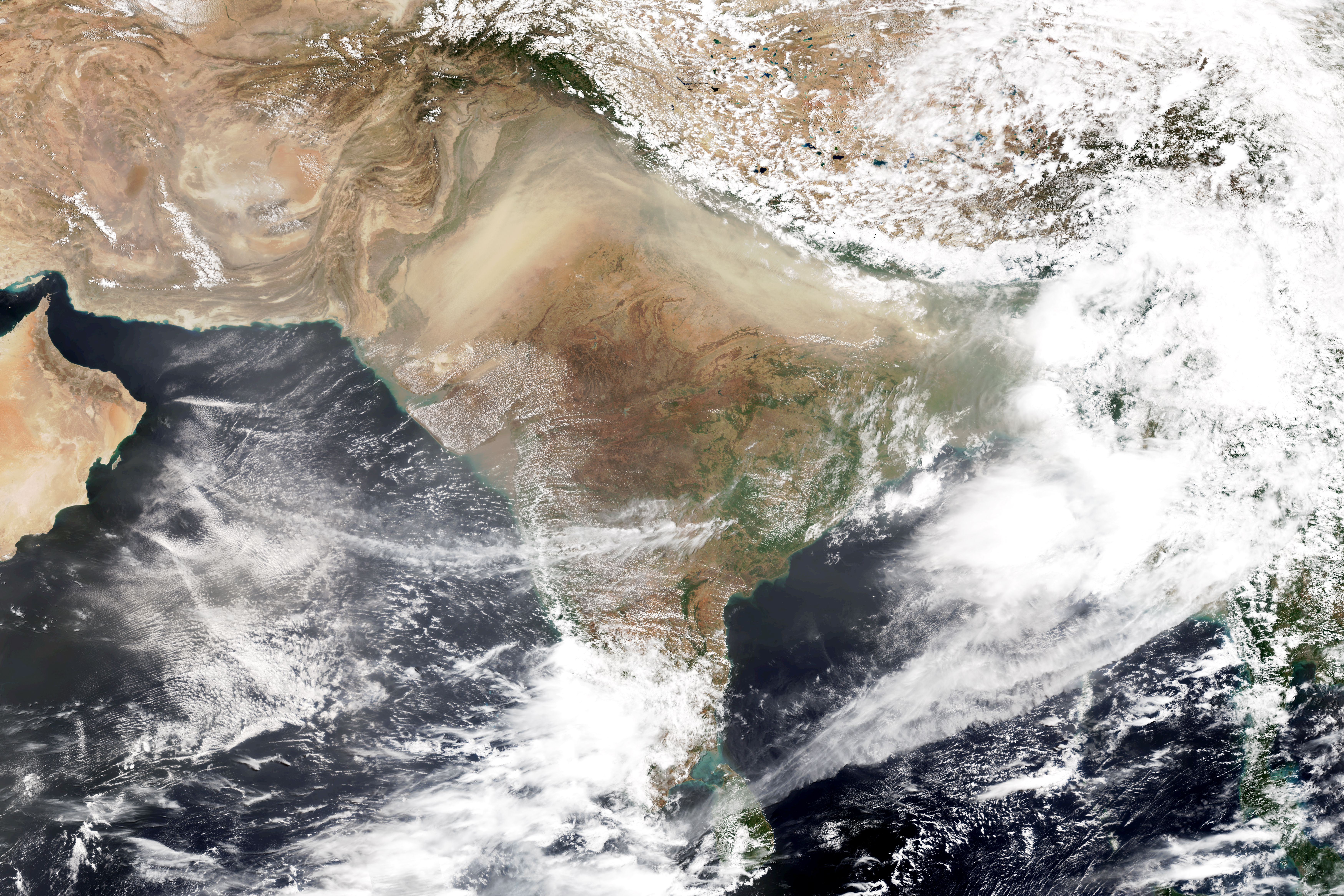
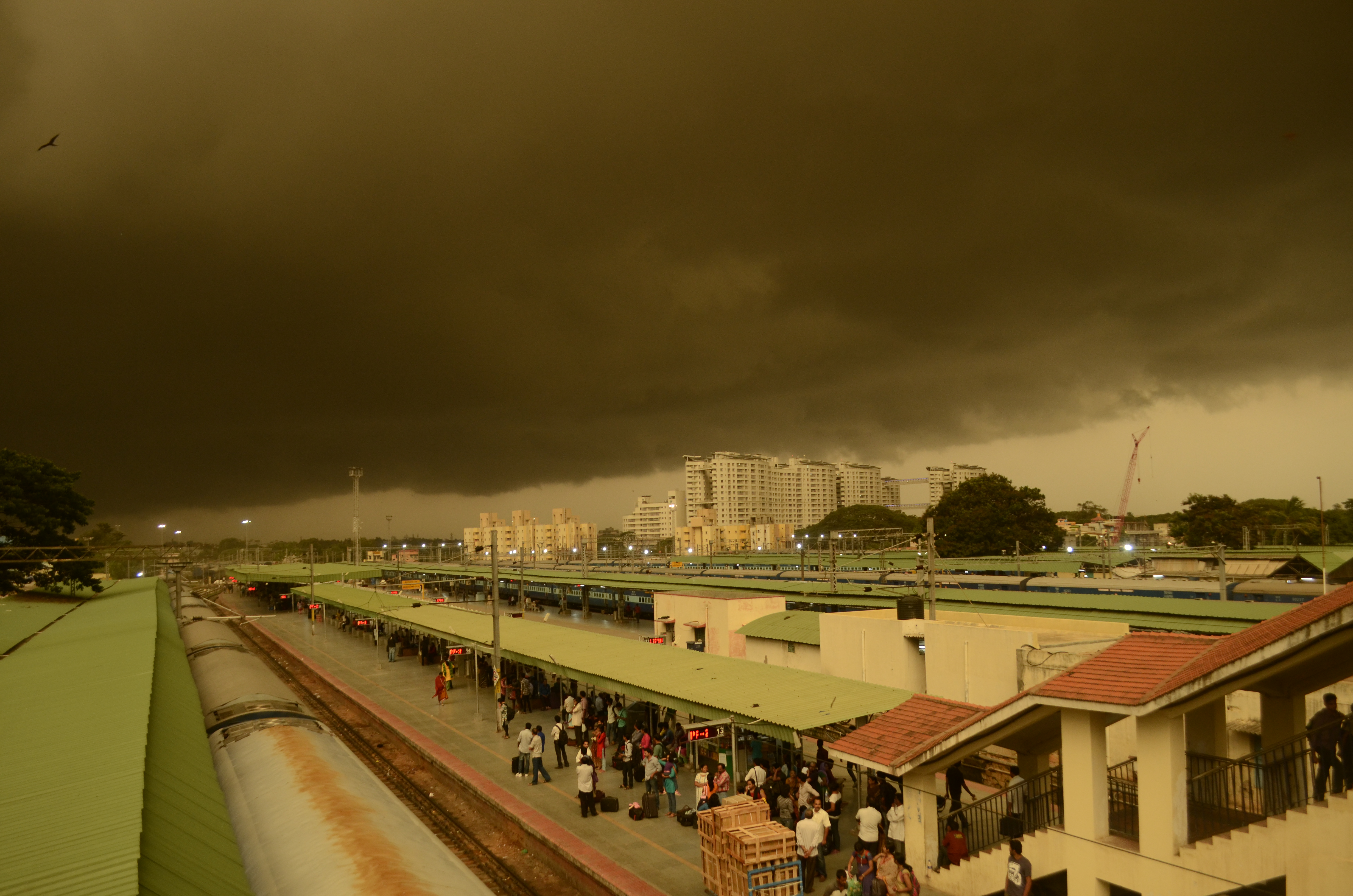
The lull is not the forecast. The India Meteorological Department’s monsoon bulletin places Telangana inside the corridor where conditions are favourable for the monsoon’s advance over the next four to five days, alongside Karnataka, Maharashtra and Andhra Pradesh. Next door, that same advance already has Bengaluru under a red alert, the IMD’s highest rainfall warning, with very heavy falls forecast across Karnataka through June 11.
Hyderabad’s dead are, so far, the starkest casualties of a week in which India’s weather map has split in two, the same national pattern that broke Delhi’s heatwave with a midnight storm while Mumbai counts down to its own onset window. The monsoon delivers most of the country’s water and a recurring share of its urban grief, and the order in which those arrive is rarely the one cities plan for.
This city has been here before. The October 2020 floods killed dozens in Hyderabad and prompted years of promised drainage and electrical-safety upgrades across the GHMC’s jurisdiction. Each pre-monsoon season since has offered a small audit of that work, and Tuesday’s was not a passing grade. A wire that sparks for two days over a street that floods in an hour is the precise intersection of the two failure modes the upgrades were meant to remove.
Much is still unknown on Wednesday. There is no official rainfall total yet for Tuesday night, no confirmed identification of the two victims, no statement from the GHMC on the residents’ claim, and no estimate of how many of the city’s power lines are in the same condition the Bandlaguda wire was in on Sunday. The IMD’s advance window means the next test arrives within days, whether or not those answers do.
What remains at the corner near the Royal Sea Hotel is simpler than any of that. A stretch of road that holds water. A repaired line overhead. And two days of warnings that, by the account of the people who gave them, cost nothing to ignore until Tuesday evening, when they cost everything.