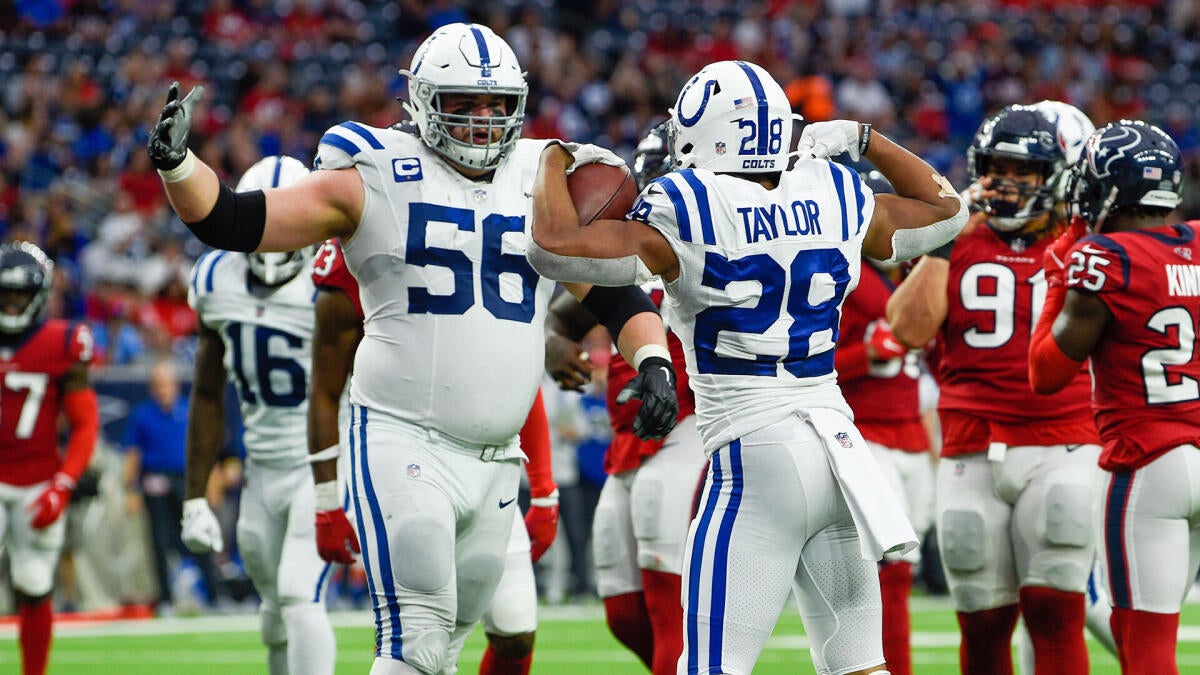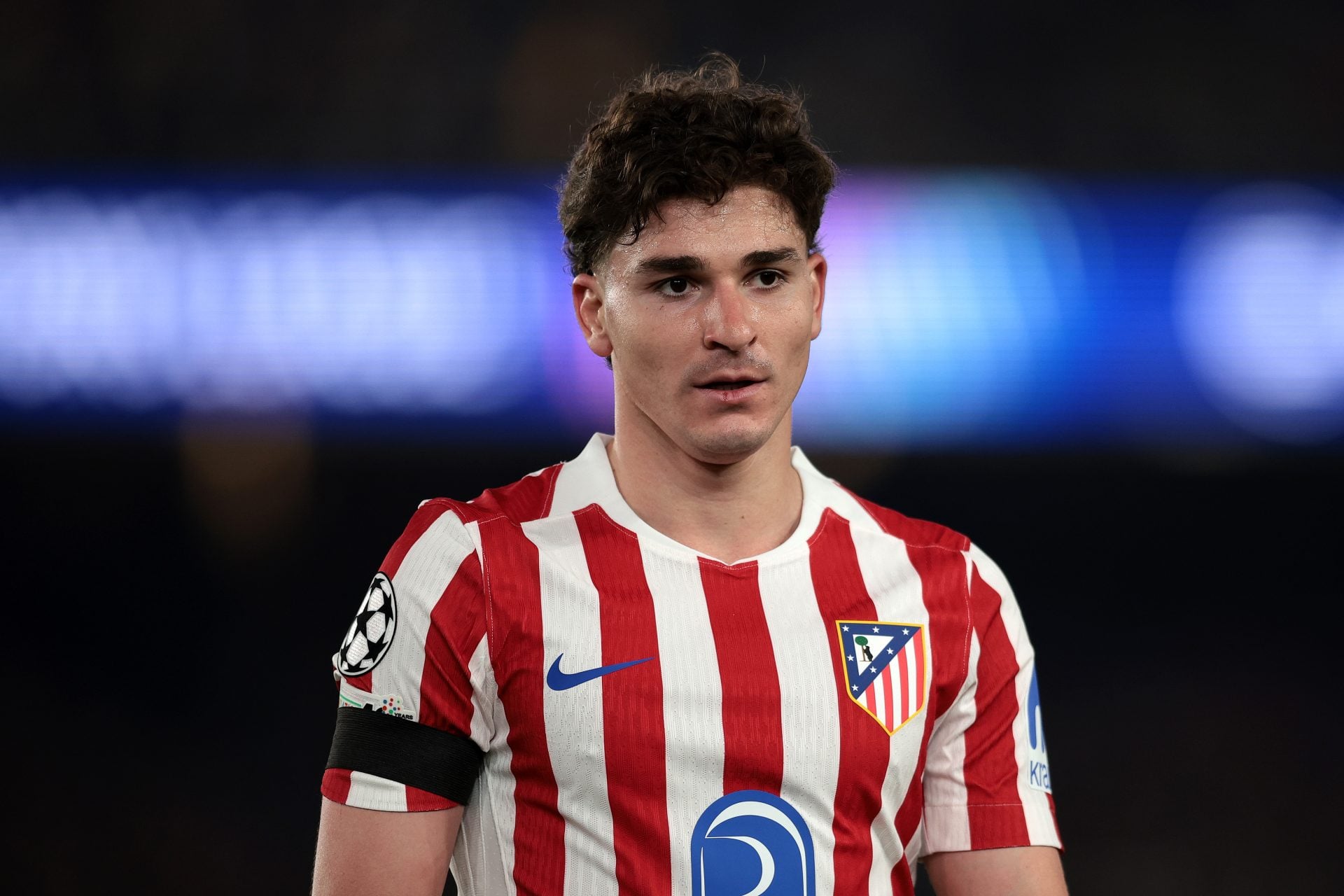

ATLANTA — The number that matters most to the Atlanta Falcons this offseason is not 2,298 — the franchise-record scrimmage yards Bijan Robinson produced in 2025, the total that made him a first-team All-Pro and cemented his standing as one of the best players in the NFL. The number that matters is $6,986,810. That is Robinson’s 2026 cap charge, and it is why NFL.com analyst Tom Blair built his imaginary all-value roster this week around a 24-year-old who, by any honest accounting, is worth somewhere between three and four times that figure.
Blair’s annual exercise — constructing the best possible 53-man roster within the $301.2 million salary cap — landed on Robinson as the starting running back, paired with Detroit Lions counterpart Jahmyr Gibbs at $5.6 million. The two of them combined for 4,137 scrimmage yards a season ago, Blair noted in his piece on NFL, a total that fell just 34 yards short of everything the entire Las Vegas Raiders offense produced. “Who gets to be the thunder? Who gets to be the lightning?” Blair wrote. “Like the poor sap getting zapped, it will be all the same to anyone trying to stop them.” The whole four-man running back corps — Robinson, Gibbs, Kyle Monangai of the Chicago Bears and Tyrone Tracy Jr. of the New York Giants — came in at under $15 million combined. That is less than a single starting slot receiver on most playoff rosters.
The exercise is hypothetical, but the irony is real. Robinson is entering what may be the final months of his status as one of the most underpaid stars in professional football. The Falcons exercised his fifth-year option in April, keeping him under contract through 2027 at a projected $11.3 million. They are simultaneously engaged in extension talks that, given the current market for running backs, figure to land well above $20 million per year. The offseason has already reshaped expectations around what elite players at every position should command, with 13 running backs now earning over $10 million annually — a figure that stood at eight just four years ago.
“Take a look at the running backs right now,” ESPN’s Adam Schefter said on his podcast in March. “Bijan Robinson is going to cash in. Jahmyr Gibbs is going to cash in. De’Von Achane is going to cash in.” Schefter’s broader point was about a position that spent the better part of a decade being systematically devalued. Robinson, perhaps more than any other player, is the argument for its recalibration. In three seasons with Atlanta, he has accumulated 3,910 rushing yards on 805 carries with 34 total touchdowns. His 2025 season alone — 1,478 rushing yards, 79 catches, 820 receiving yards — ranked him second among all running backs in both receiving categories.
None of that, though, was the development that sharpened the timeline most. Last week, Atlanta signed wide receiver Drake London to a four-year extension worth up to $150 million, the third-highest average annual value for a receiver in the league. Robinson, who called London “my best friend, my brother,” celebrated publicly. He also posted an Instagram story that the Falcons’ front office almost certainly noticed: a pointed reference to the phone calls he expected to follow. Dan Graziano of ESPN confirmed shortly after that the Falcons and Robinson’s representation are engaged in extension talks.

New general manager Ian Cunningham, speaking at NFL League Meetings in March, had been unambiguous about Robinson’s standing. “He is one of the best players at his position, one of the best players in the league,” Cunningham said, according to the Falcons’ official website. “I was excited that I had already had the chance to get to know him and start some dialogue with him.” Cunningham’s predecessor might have hedged. The new GM did not.
What makes the Blair roster-building piece a useful lens here is not the fantasy exercise itself but what the numbers expose about the structural compression the NFL imposes on young elite talent. Robinson, drafted eighth overall in 2023, is bound by a rookie contract scale that was negotiated in 2011 and updated in 2020. Those scales are calibrated to spread risk across a draft class — they are not calibrated to account for a player who produces, in his third year, the most scrimmage yards in Falcons franchise history and breaks Christian McCaffrey’s record for most scrimmage yards by a player under 24. Blair’s imaginary team is a thought experiment, but it runs on a very real market inefficiency: the window in which you can get Robinson for less than $7 million a year.
Kevin Stefanski, who took over as head coach this offseason, has been direct about how he plans to deploy the backfield. He signed Brian Robinson Jr. in free agency to serve as the power complement to Bijan’s explosiveness — a template familiar to anyone who watched how contenders built around running game balance this past season. “We want to have an attack that’s not just a one-person attack,” Stefanski told Atlanta’s official media. “I think Brian gives us an opportunity to do that.” Bijan’s own characterization of the partnership was blunter: “I’m not one to truck you all the time. I’m trying to run away from you.”
That combination — the elusiveness, the receiving ability, the record-breaking volume — is precisely why the Blair exercise works as a thought experiment and fails as a blueprint. No real general manager can build around Robinson at $6.9 million this fall and expect that number to hold. What remains uncertain is not whether an extension gets done, but at what figure, on what timeline, and whether the Falcons can structure it in a way that preserves the cap flexibility they will need to keep the rest of their young core intact alongside him.
London got paid. Bijan is next. The only question, as one of the NFL’s most economical superstars prepares to stop being economical, is the price.