
DHARAMSALA — They have won a Champions Trophy, a T20 World Cup, and an innings-and-300-run rout of Afghanistan inside four days. In two of cricket’s three formats, Gautam Gambhir has imposed his stamp on Indian cricket so firmly that the selectors moved on from a T20 World Cup-winning captain without breaking a sweat. In the third, he has, by all accounts, let things drift.
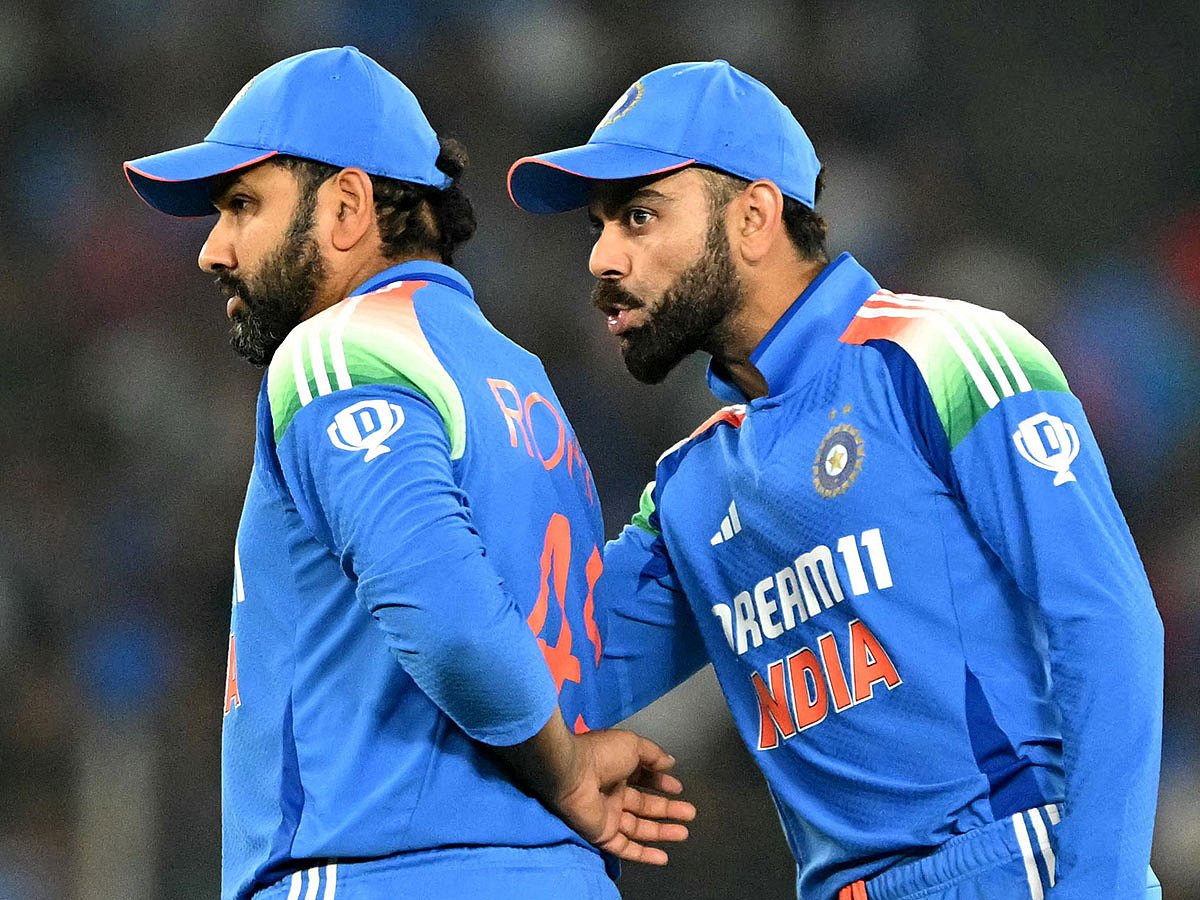
And now, sixteen months from the 2027 ODI World Cup in South Africa and Zimbabwe, the drift has a cost. According to a Times of India report published Wednesday, a group of senior Indian players — believed to include Rohit Sharma and Virat Kohli — has been in direct contact with senior BCCI officials, seeking clarity about their roles in the 50-over format and the board’s plans for the tournament buildup. They have gone around Gambhir, not through him.
The detail that should trouble the Indian management is not that experienced players want answers. It is that they felt they had to look past their head coach to get them.
“The team management and some of the senior players need to be brought on the same page,” a Times of India source said. “It has also been learnt that a few senior players have been in constant touch with the power forces in BCCI to get clarity about the plans going into 2027.”
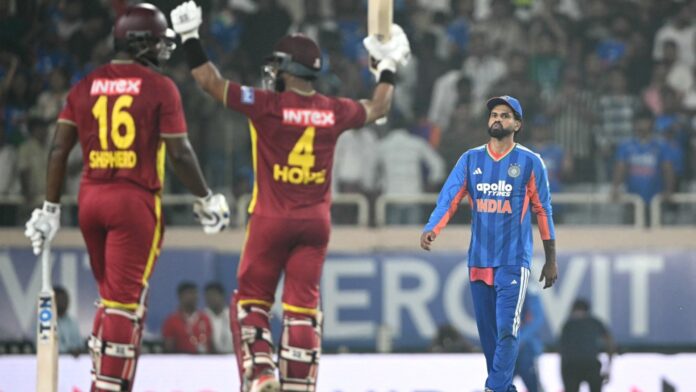
The backdrop matters. India’s ODI record since winning the 2025 Champions Trophy is patchy in a way the Test and T20 results have obscured. Series defeats against Sri Lanka, Australia, and New Zealand have piled up, and Kohli was ruled out of the Afghanistan ODI series with a hamstring injury, extending the uncertainty about his fitness ahead of the England tour. Rohit Sharma, whose ODI captaincy was handed to Shubman Gill late last year, continues as a senior batter in a squad where his precise role and longevity remain publicly undefined. Ravindra Jadeja — a fixture in every major World Cup campaign India has run since 2015 — is fighting off a challenge from Axar Patel, with selectors still not convinced by his batting approach in the format.
The contrast with how Gambhir has handled the T20 format is stark. After winning the T20 World Cup, he moved decisively: youth was prioritized, the superstar culture he had publicly pledged to dismantle was dismantled, and even Suryakumar Yadav — the man who captained India to that title — found himself dropped from the touring squad to England. There was no consultation on the optics. A message was sent, and it landed.
The ODI dressing room is a different animal. It contains Kohli, Rohit, and Hardik Pandya — the three biggest names in Indian cricket, each with a legitimate claim to a World Cup appearance in 2027, each now navigating the particular uncertainty of being indispensable in reputation but conditional in selection. Whether Gambhir’s no-superstar-culture mandate applies equally here has not been stated publicly. According to the Times of India, it has not been stated privately either.
“Gambhir hasn’t got involved in the planning as intently as he has done in the other two formats,” a BCCI source told the paper. “So far, he has let things take their course.”
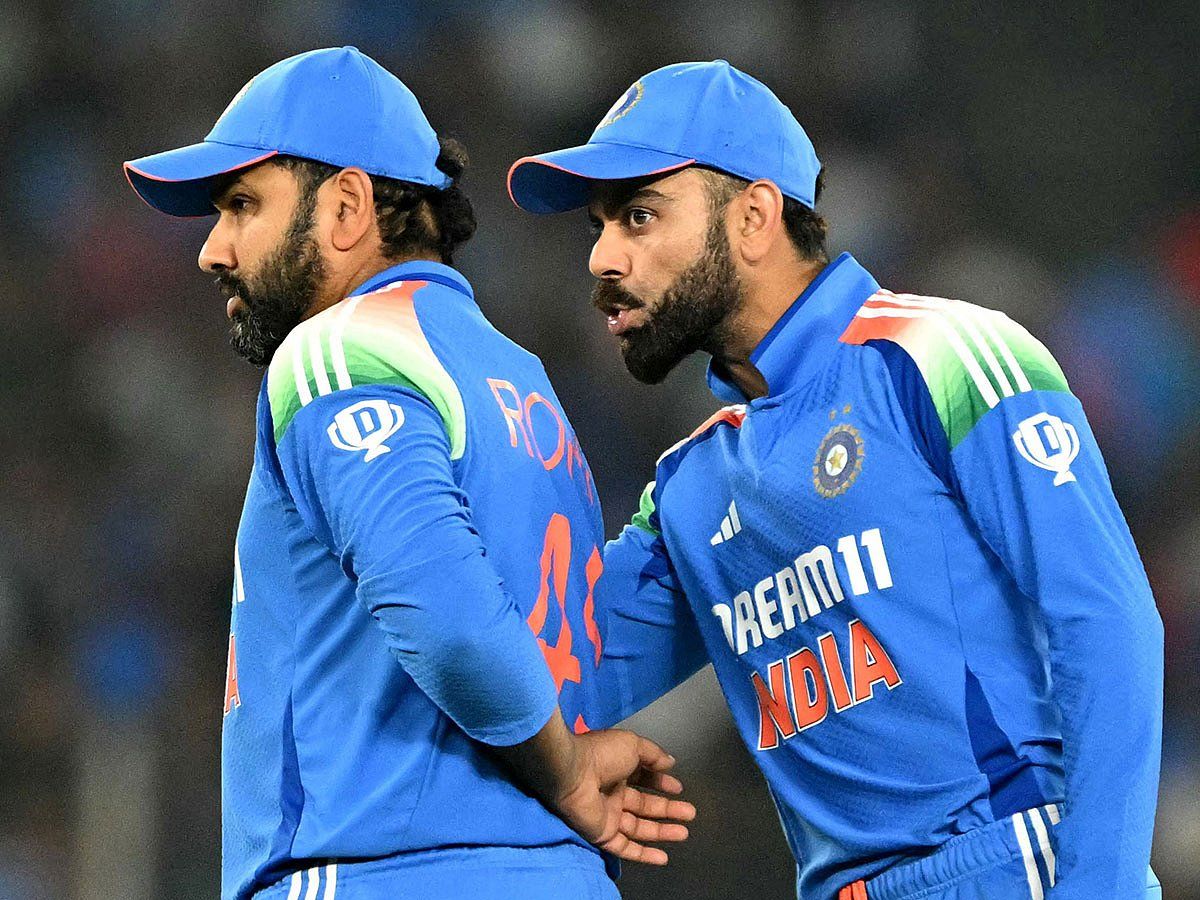
The question of Gill’s authority in the dressing room is the other thread running through the Times of India report. India’s new ODI captain has yet to win a series as skipper — he was beaten at home by New Zealand in his debut assignment. The Afghanistan series, for which Hardik Pandya only narrowly passed his fitness test at the BCCI Centre of Excellence, was meant to begin the World Cup cycle in earnest. Instead it arrives shadowed by reports of a management structure that has not established its terms of reference in the one format where they matter most.
“With such big players in the team, Gill needs to have a stronger say in the dressing room,” the BCCI source continued. “It’s important that the senior players, who have served India with distinction for so many years, are conveyed what role the team expects them to play and the plan for the buildup over the next 16 months.”
That last phrase is the operative one. Sixteen months. It sounds like ample time until you account for the fixtures: the Afghanistan ODIs in June, then the England series, then the buildup proper. Kohli had already been reported in May as essentially setting a condition for his continued ODI availability — a clear picture of what the team expected from him or he would walk away on his terms. That conversation, per Wednesday’s reporting, has still not formally happened between the players and their coaching staff. It is happening instead through backchannels to BCCI headquarters.
The comparison that will occur to anyone watching is Gambhir in 2024, before he took the India job, when he told ESPNcricinfo that clarity and communication between selectors and senior players was precisely the thing Indian cricket needed most. “There should be good communication between the selectors and these players,” he said then. “If the selectors have decided to look beyond these guys, so be it.” The argument was reasonable. The irony is that it is now being made about his own dressing room.
India plays the first ODI against Afghanistan on June 13 at the HPCA Stadium in Dharamsala. Whether Gambhir and Gill use it to establish the kind of clarity that is apparently still missing — or whether the Afghanistan series becomes another round of managed ambiguity — is a question the senior players waiting for answers will be watching closely.
What nobody in that dressing room does not already know: a World Cup is not won in the final. It is won, or lost, in the sixteen months before it.