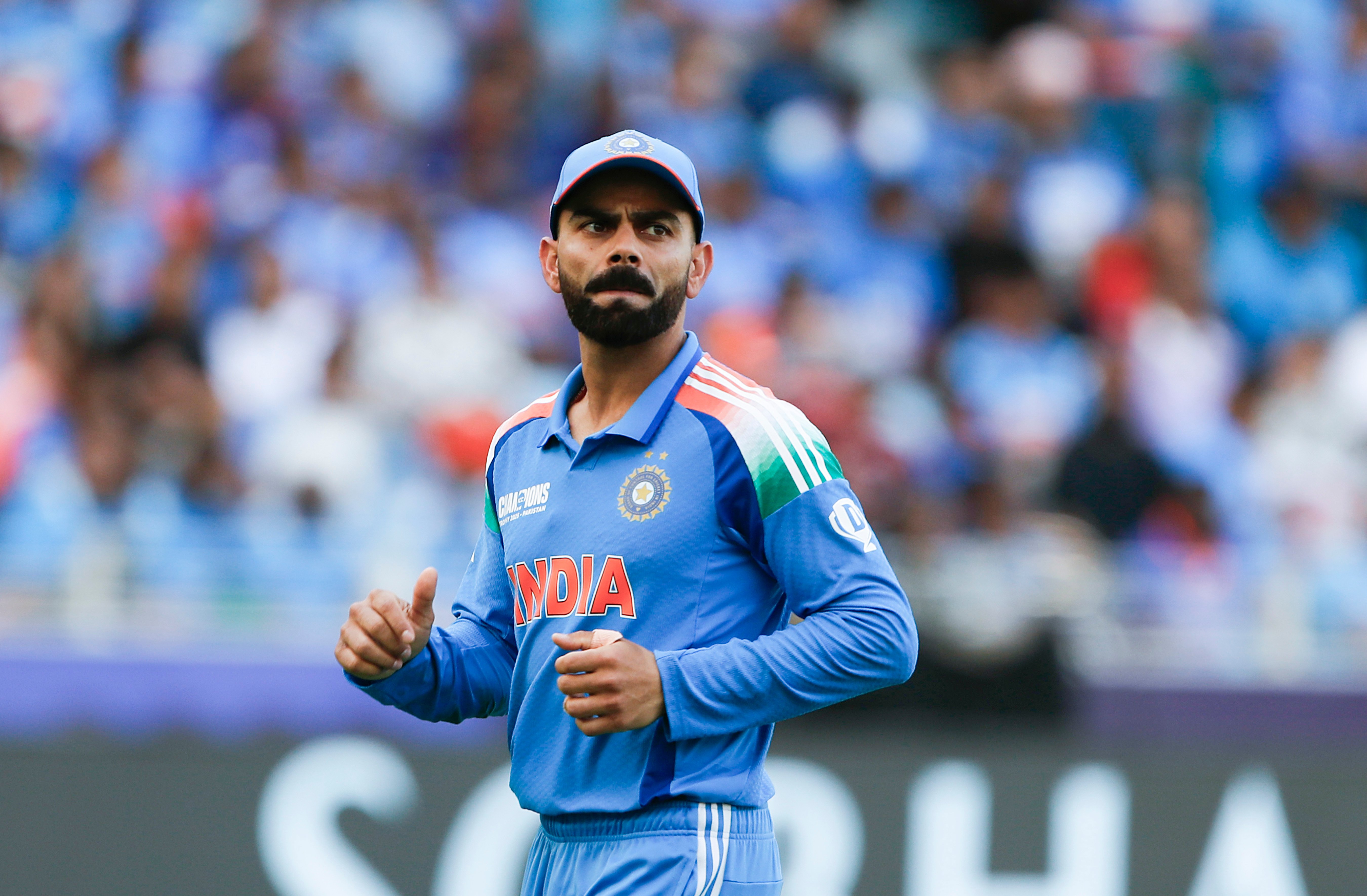

Virat Kohli has once again become the focal point of Indian cricket discourse after fresh remarks regarding his ODI future and participation in the 2027 World Cup. His stance has reignited discussions inside the BCCI, particularly around selection policy and long-term squad planning.
Reports suggest that Kohli has made it clear he does not wish to remain in an environment where his place is repeatedly questioned. Instead, he wants clarity on his role as India builds toward the 2027 World Cup, a tournament that is already shaping selection conversations across the board.
The debate is no longer limited to form or fitness. It now extends into the broader concept of Virat Kohli and his place in a team undergoing structural transition. His recent comments have been interpreted as a firm position that he will only continue if he is valued as a guaranteed contributor rather than a conditional pick.
Selection pressure and shifting expectations
The issue of selection pressure has become increasingly prominent in Indian cricket discussions. Kohli’s stance highlights a deeper structural concern, where senior players are expected to constantly revalidate their place despite long records of performance.
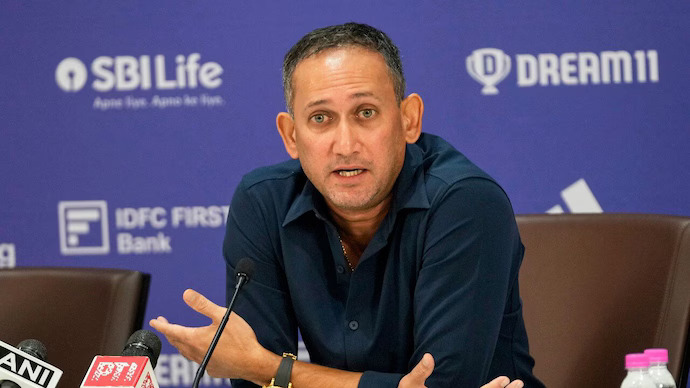
Strong form keeps Kohli central to plans
Despite the controversy, Kohli’s strong form continues to make him one of the most reliable ODI batters in world cricket. His consistency in pressure situations has ensured that he remains a key figure in India’s batting structure, particularly in high-stakes tournaments.
However, the discussion has moved beyond performance alone. It now includes questions about workload management, leadership transition, and the psychological expectations placed on senior players in modern cricket systems.
Senior players and the transition dilemma
The role of senior players in Indian cricket has always been central to team identity. However, the transition toward younger talent has created a delicate balance between experience and experimentation.
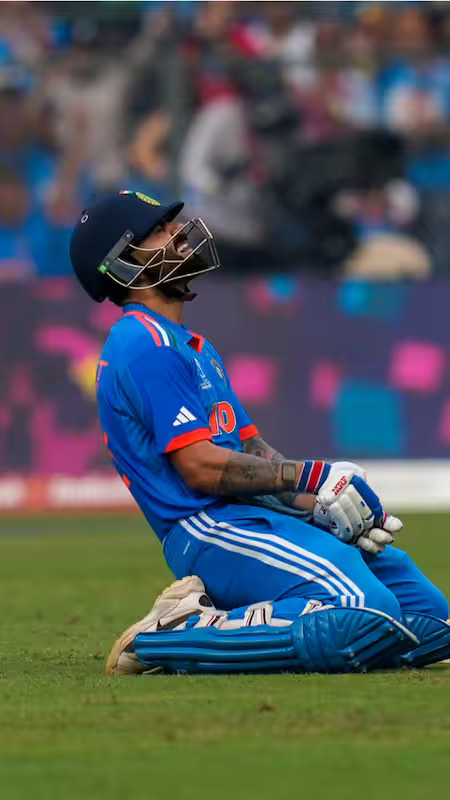
India’s ODI structure under scrutiny
The conversation around India’s ODI structure has intensified as selectors attempt to balance immediate results with long-term squad evolution. Kohli’s comments have added urgency to this debate, especially as the 2027 World Cup approaches.
Analysts believe that the core issue is not Kohli’s availability, but the clarity of his role within the system. Without defined expectations, even elite performers can feel uncertain about their future in the squad.
Global cricket reaction and external validation
The international cricket community has also taken note of Kohli’s remarks. According to Virat Kohli ODI future reporting, his participation in the 2027 World Cup is conditional on whether he can still add value to the team setup.
Meanwhile, Kohli refuses to prove his worth has become a widely discussed theme in global media coverage, emphasizing the shift in how elite athletes manage career longevity and selection pressure.
Further coverage from Kohli ODI future uncertainty highlights the broader implications for India’s World Cup planning strategy, while domestic reporting from Kohli ultimatum to BCCI focuses on the pressure facing selectors.
Insights from Kohli mindset interview further reinforce his long-standing belief in continuous evolution rather than fixed career definitions.
What lies ahead for India and Kohli
As India moves deeper into its preparation cycle for the 2027 World Cup, the focus will remain on clarity, communication, and role definition within the squad.
Kohli’s stance has not indicated retirement or withdrawal. Instead, it signals a demand for respect, certainty, and defined expectations. For India, the challenge now is not just selection, but alignment between vision and execution.
The coming months will determine whether this marks the beginning of a final World Cup chapter for one of India’s greatest batters, or a gradual shift toward a new era where even established icons must redefine their place in the team structure.
Related Posts