
On a humid March evening in Bengaluru, where cricket has long been treated as both religion and spectacle, the 2026 season of the Indian Premier League begins, not with fireworks or pageantry, but with a silence that feels deliberate.
The Royal Challengers Bengaluru, the defending champions, step onto their home ground at the M. Chinnaswamy Stadium. But for all the anticipation surrounding their title defense, the atmosphere is markedly subdued. The usual glamour of opening ceremonies has been set aside, replaced by a more restrained return shaped by grief and reflection.
Less than a year ago, what should have been a moment of collective celebration turned into one of the darkest chapters in Indian cricket’s modern history.
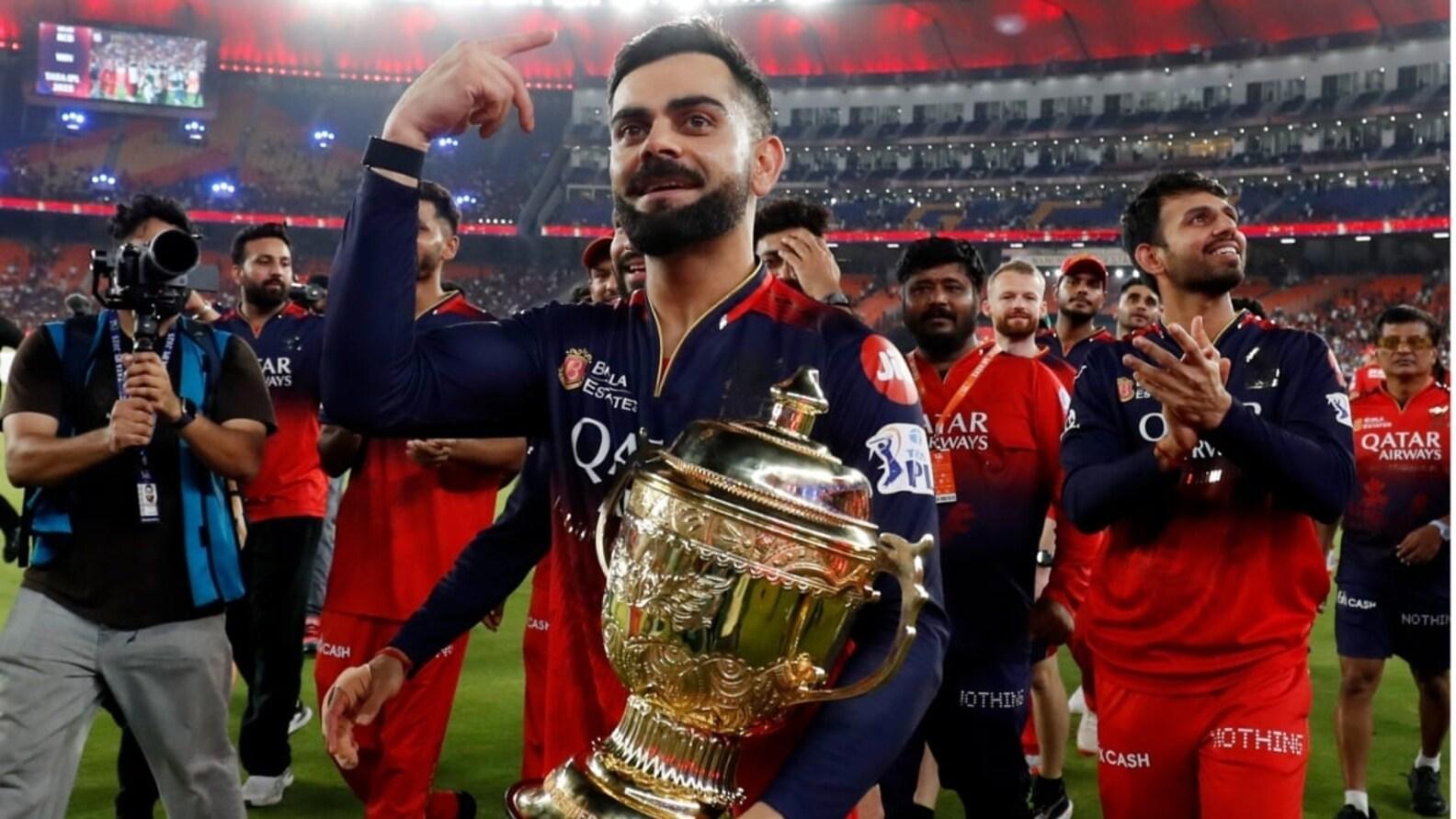
When Royal Challengers Bengaluru lifted their first IPL trophy in 2025, the celebrations quickly spiraled into chaos. Outside the stadium, a deadly stampede unfolded, leaving at least 11 people dead and dozens injured. The tragedy exposed severe lapses in crowd control and planning, forcing both authorities and league organizers into an uncomfortable reckoning.
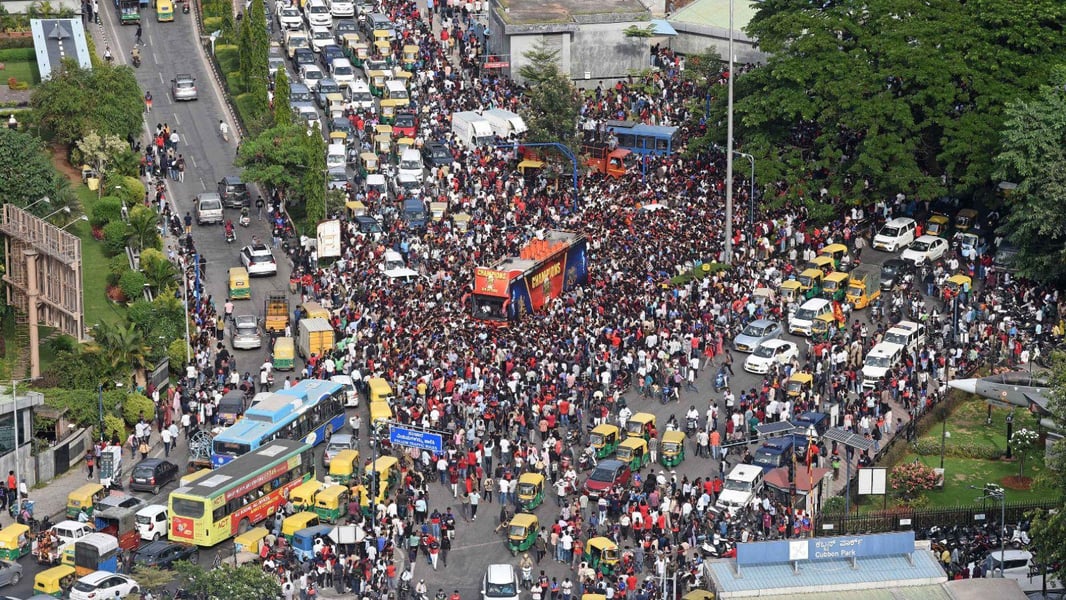
The Board of Control for Cricket in India has taken the unusual step of dialing down the spectacle. There is no grand opening ceremony this year. Instead, players from Royal Challengers Bengaluru are expected to wear black armbands, while symbolic gestures, including leaving seats empty, serve as reminders of lives lost.
For the franchise, the emotional residue of last season remains palpable. Head coach Andy Flower described the period as an emotional end to last season, underscoring the challenge of shifting focus back to competition.
At the center of this transition stands Virat Kohli, whose presence continues to define the identity of the team. More than just a player, Kohli represents continuity, a bridge between years of frustration and the eventual triumph of 2025. His influence now extends beyond performance, serving as an emotional anchor for a squad navigating both expectation and memory.
The challenge ahead is formidable. For the first time in their history, defending champions Royal Challengers Bengaluru enter a season as the benchmark rather than the challenger. Sustaining success in the IPL has historically been rare, with only a handful of teams managing consecutive titles.
That pressure is compounded by practical concerns. Injuries to key bowlers and the absence of some international players have forced early tactical adjustments. The balance that carried RCB to their maiden title will be tested from the outset.
Their opening match against Sunrisers Hyderabad is more than a fixture, it is a moment of transition. Hyderabad arrives with a powerful batting lineup, while RCB seeks to reassert itself amid shifting dynamics. The Chinnaswamy Stadium, once synonymous with celebration, now carries a more complex symbolism.
Beyond the field, the IPL continues to expand at a remarkable pace. Massive investments and global attention continue to reshape the league’s economic landscape, with franchise valuations reaching unprecedented levels.
This growth, however, exists alongside unresolved structural questions. The IPL, with its massive fan base and commercial scale, operates at an intensity few sporting competitions can match. But the events of 2025 have highlighted the risks inherent in that scale.
The league has weathered controversies before, governance disputes, financial scrutiny, and scheduling conflicts, yet this moment feels different. The challenge is not just tactical but psychological, extending beyond players to organizers, administrators, and fans alike.
Even as the tournament begins, it does so under a broader global spotlight. The IPL’s influence continues to stretch across continents, shaping cricket’s future while attracting new markets and investors. At the same time, parallel developments in other leagues highlight evolving fan engagement and attendance challenges, reinforcing the need for sustainable growth.
For Royal Challengers Bengaluru, IPL 2026 represents more than a title defense. It is an attempt to reconcile two competing realities: the joy of long-awaited success and the weight of a tragedy that cannot be erased.
As the first ball is bowled, the crowd will rise once again. The noise will return, the excitement will build, and the spectacle will resume. Yet beneath it all lies a quieter acknowledgment, that the game, in all its grandeur, carries responsibilities that extend far beyond the boundary ropes.
Cricket in India has always been about emotion. This season, perhaps more than any other, it is also about reflection.