
LOS ANGELES — The Los Angeles Dodgers arrived at the 2026 trade deadline with a rotation full of holes and left with a two-time Cy Young Award winner. For every other team in baseball, the math on the rest of the summer is now different.
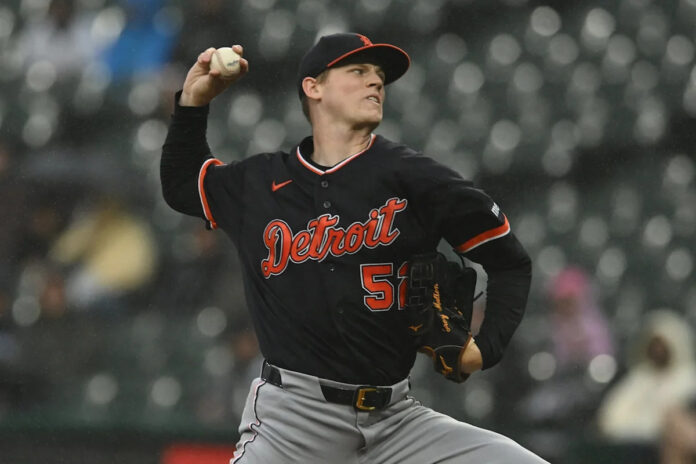
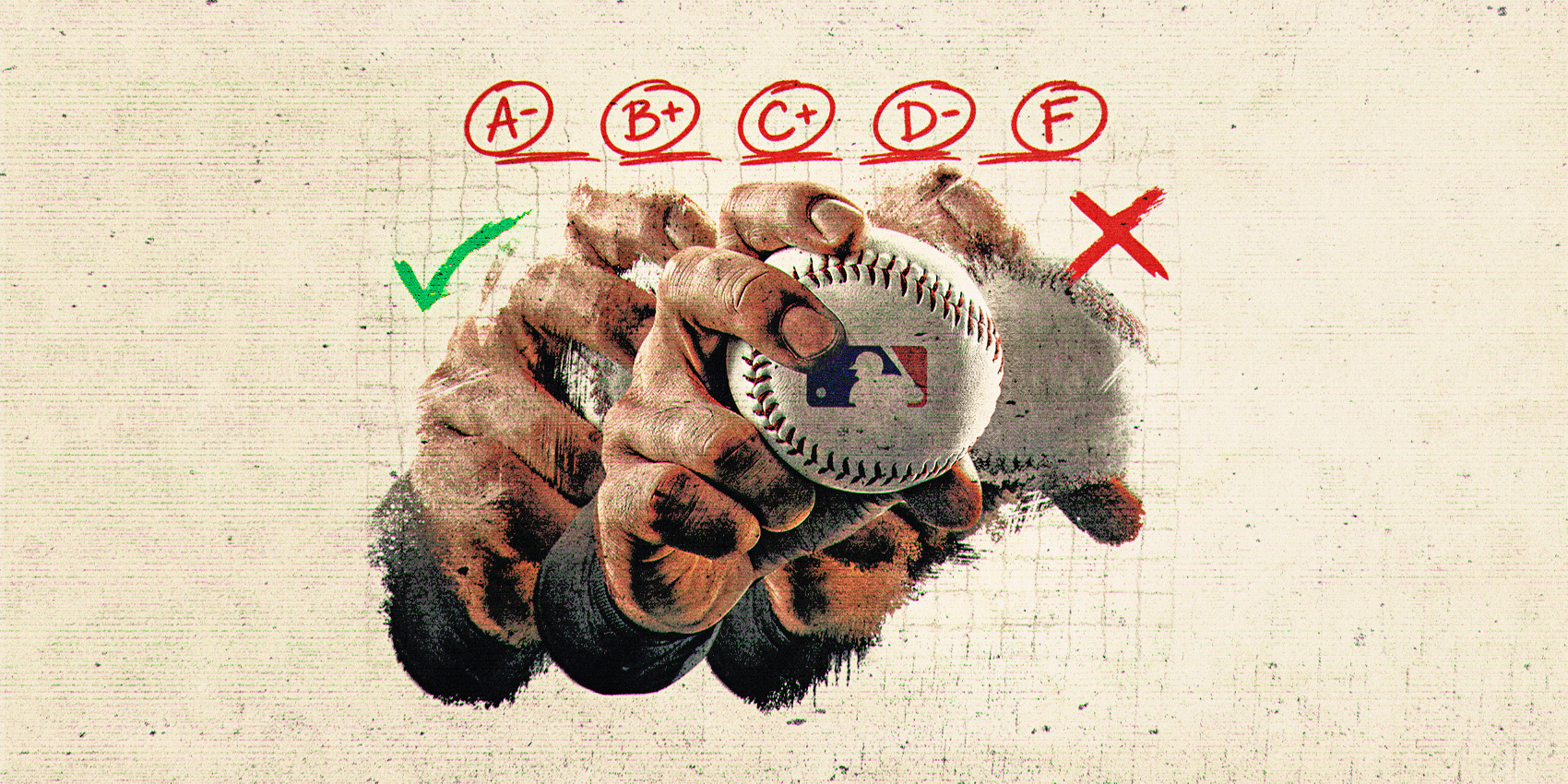
Tarik Skubal, acquired from the Detroit Tigers in the deadline’s marquee move, gives a Dodgers pitching staff that spent much of July running on fumes its most accomplished arm. Los Angeles also added right-hander Kris Bubic and catcher Hunter Feduccia in separate deals, and still held seven top-100 prospects in reserve when the deadline passed. The franchise earned the only A+ among all 30 clubs, according to Yahoo Sports, which completed a full grade review of the deadline published Tuesday. Bryce Harper, watching from Philadelphia, acknowledged the advantage with a shrug: “A lot of teams could have done what they did. There’s a lot of teams in baseball that have the prospects to move them.” The implication of what he said was clear. Most of them looked at the same market and stood still.
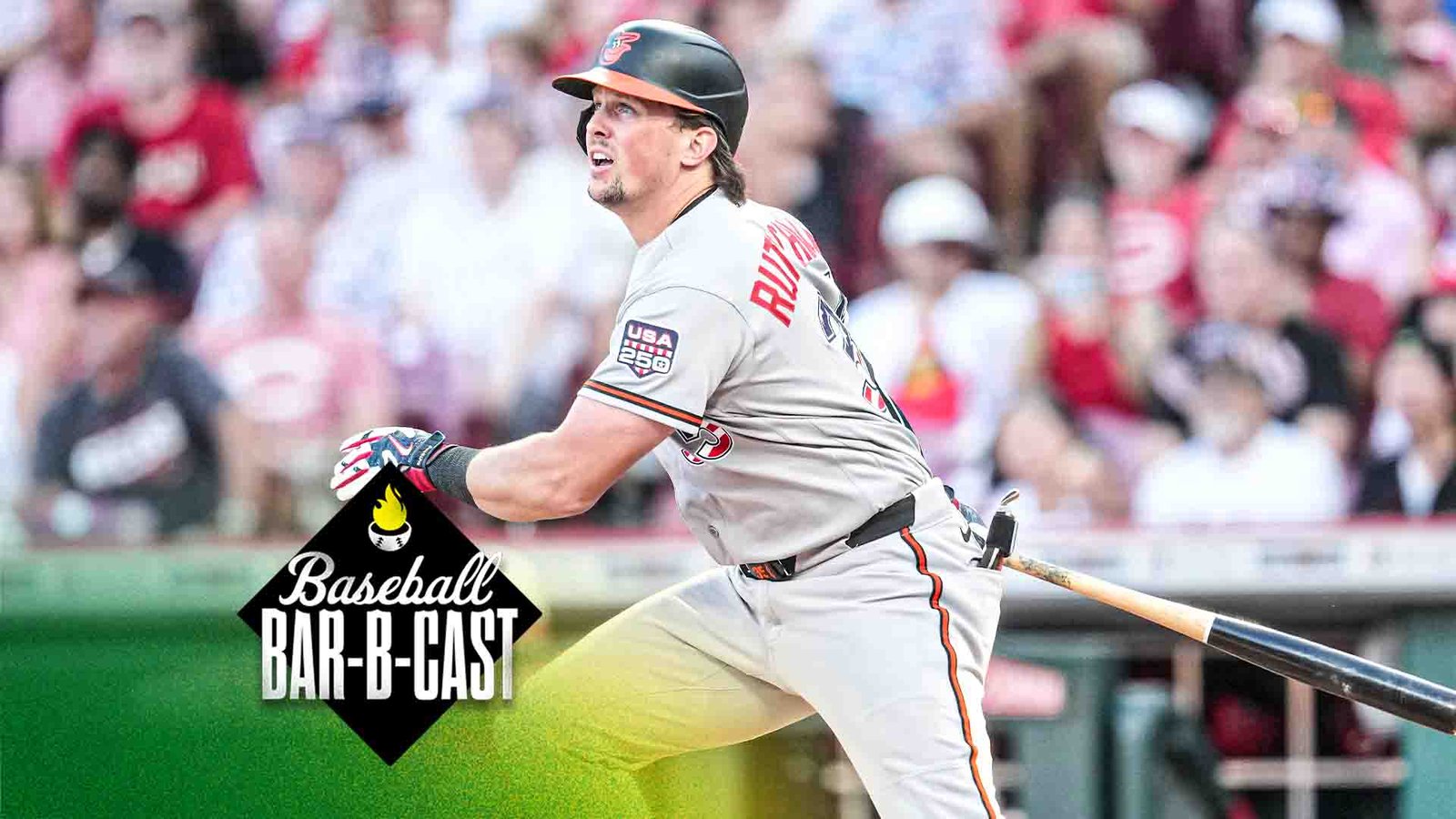
The Red Sox did not. Boston, riding a 15-game winning streak into the final hours of the deadline, acquired All-Star catcher Adley Rutschman from the Baltimore Orioles in the move few analysts anticipated. The deal transformed Boston from a franchise historically cautious about trading prospects into a buyer willing to make the kind of commitment that postseason runs require.
The Chicago Cubs and Philadelphia Phillies both built on existing strength without overextending. Chicago added Kevin Gausman and Clay Holmes from San Francisco to fortify a rotation that was otherwise exposed if one starter stumbled in October. The Phillies added Luis Arraez, the three-time batting champion, a quieter acquisition that bolstered depth without the drama the bigger names on the market attracted.
The Atlanta Braves, operating without Ronald Acuña Jr. following his hamstring injury, focused on filling specific functional gaps. They acquired outfielder Lane Thomas and left-hander Bailey Falter from the Kansas City Royals to address the outfield void, then added right-hander Tyler Mahle from San Francisco when Reynaldo López landed on the injured list. Neither move is transformative, but the Braves identified their needs early and met them cleanly.
Tampa Bay earned an A by doing what the organization has done for a decade: acquire useful major league contributors at prices other organizations find unattractive. Freddy Peralta, Tyler Wells, and Liam Hicks arrived in three separate deals, each one plugging a different roster gap without a single blockbuster attached. The Pittsburgh Pirates similarly rebuilt a bullpen that had exhausted itself by midsummer, adding Weaver, Doval, Yates, and Bachar in a coordinated overhaul.
The sharpest contrast came from Baltimore. The Orioles entered the deadline within two and a half games of a playoff berth, and ended it without Rutschman, Dean Kremer, or Taylor Ward. Orioles president Mike Elias acknowledged the scale of the change: “This is not the plan that we had going into the season.” It is difficult to know whether this constitutes rebuilding discipline or organizational confusion. A franchise that trades its most accomplished catcher in a year when a playoff spot is within reach is making a statement about time horizons that its current roster does not fully support.
The Milwaukee Brewers and Houston Astros both chose a restraint that felt more like avoidance than philosophy. The Brewers acquired Dustin May and stopped. The Astros, whose playoff consistency over the past decade once lent credibility to conservative approaches, made moves so minor that they did not meaningfully shift the AL West balance. Both organizations enter August with questions about organizational commitment that October will not allow them to defer.
The Cincinnati Reds earned the only outright failing grade. With a roster full of impending free agents and no realistic path to the postseason, Cincinnati neither sold aggressively enough to recoup prospect value nor bought meaningfully enough to compete. The result was a deadline that cost them nothing and gained them nothing, which is a specific kind of organizational failure.
What the 2026 deadline confirmed is structural rather than situational. The teams that arrived with both resources and organizational willingness to act left transformed. The Dodgers exit July with Tarik Skubal at the front of a revitalized rotation and a prospect pipeline intact enough to repeat the exercise next summer. The Red Sox enter the playoff stretch with a catcher who had been one of the game’s most complete players behind the plate. For Baltimore and Cincinnati, the question of what this deadline cost them will take longer to answer.