
ATLANTA – The hamstring that ended Ronald Acuña Jr.’s summer also ended Atlanta’s assumption of a fully intact roster. When the Braves’ franchise cornerstone went down in late July, the void in left field wasn’t simply a box in the lineup card to be filled; it was structural, and everyone inside the organization understood that the deadline was the last formal moment to address it. On Friday, they did, acquiring outfielder Lane Thomas and left-handed pitcher Bailey Falter from the Kansas City Royals in a deal that covered two needs simultaneously and left at least one question unanswered.
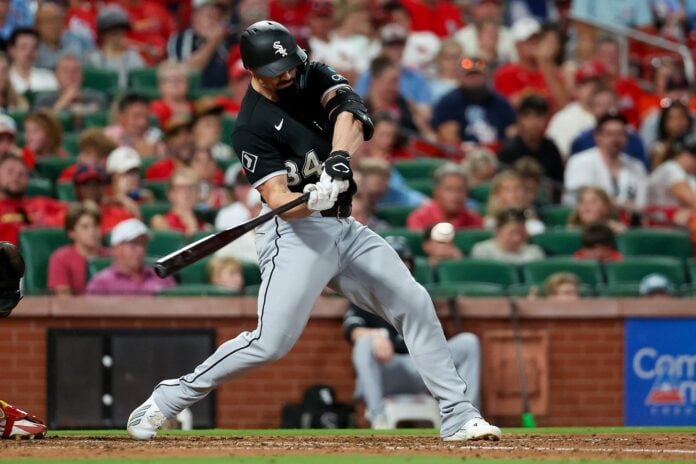
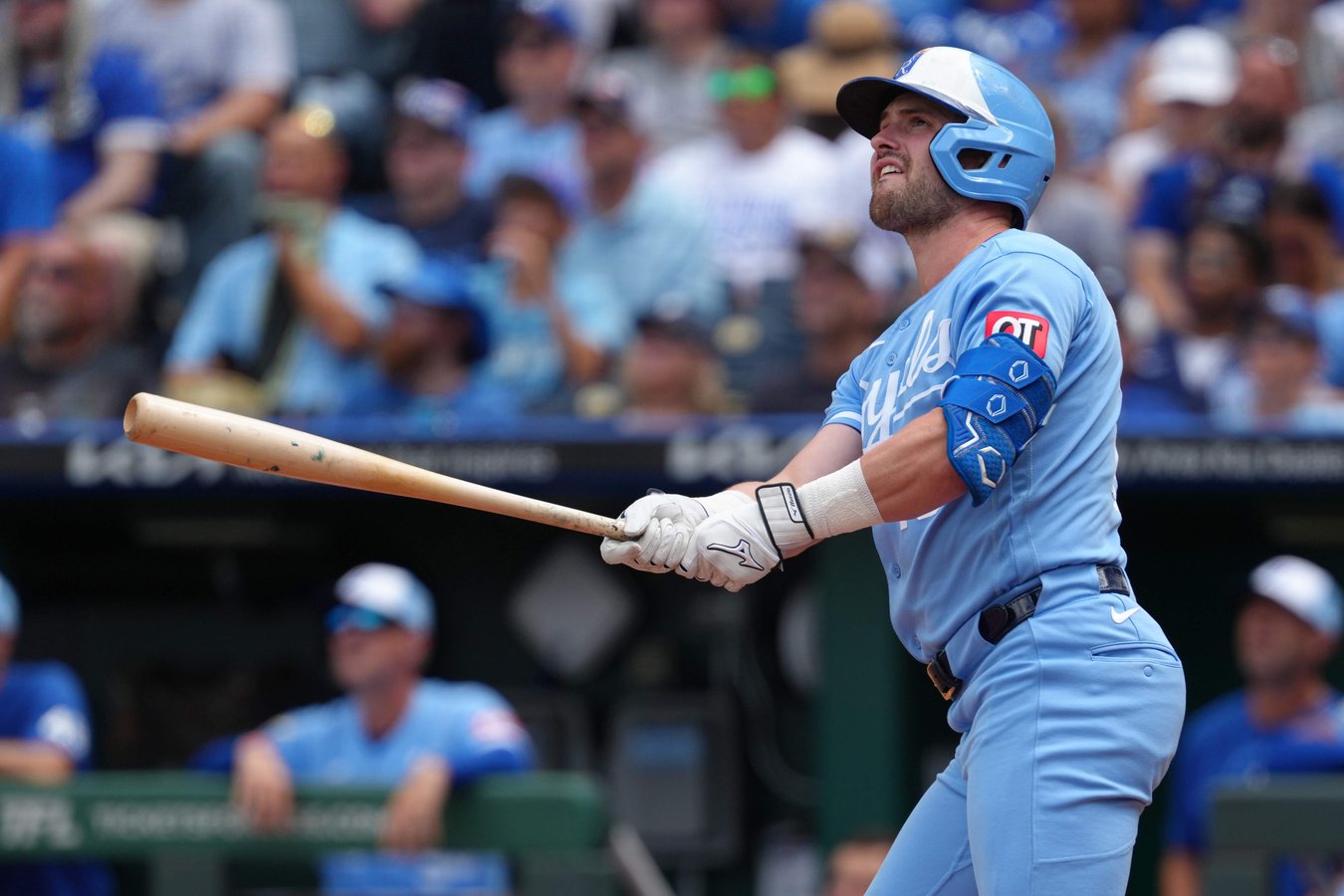
Thomas, who hits .230 with a .717 OPS through most of the season, is not the kind of name that launches conversations about October shortlists. He is the kind of name that keeps a roster from becoming a liability. That distinction matters when the player he’s replacing is one of the game’s most complete talents, a hitter with legitimate MVP credentials whose presence in a lineup forces pitching staffs to plan around him for nine innings. Thomas doesn’t do that. What he does is give manager Brian Snitker a credible option in the outfield, a bat that doesn’t represent an automatic out, and a player with enough experience in competitive situations to handle the pressure of a pennant race.
His defense is the stronger argument. Thomas is an above-average outfielder with solid range and an arm that holds runners, which matters in late-game situations when the Braves are protecting leads. His offensive production has been inconsistent enough that Atlanta’s lineup will need to absorb the gap Acuña leaves, but his glove ensures the outfield isn’t actively giving runs back.
The Falter addition is the piece that reveals Atlanta’s thinking wasn’t limited to the outfield. The left-hander, 27, doesn’t overpower hitters; his value has always been in inducing weak contact, working counts in his favor, and offering flexibility against left-handed lineups without demanding strikeout production he isn’t built to deliver. Whether the Braves intend to slot him into the rotation or use him as a high-leverage left-handed option out of the bullpen is not yet clear, but acquiring him signals that Atlanta’s pitching depth felt thinner than the organization wanted entering the final two months.
What Kansas City received in return was not confirmed by multiple sources as of Friday afternoon. The Royals, operating as sellers after a disappointing season that knocked them out of contention earlier than anticipated, were seeking controllable pitching or prospect assets to fuel a rebuild. The specifics of the return package were not made public by either club, a silence that often means the price was more significant than the headline player would indicate. The trade makes intuitive sense for the Braves; what it cost them requires information neither club has provided.
Atlanta entered August with the NL East tighter than a team of their caliber would prefer. The Phillies have not separated from the field, and the Braves’ offensive production without Acuña has fluctuated in ways that expose how much the lineup relies on one player to set the table. The front office’s response was to buy functional insurance rather than swing for a high-cost star, which is either prudent resource management or an implicit acknowledgment that the existing roster is capable of winning the division without a transformational addition at the deadline. Whether that calculation proves correct is the central question of the next two months.
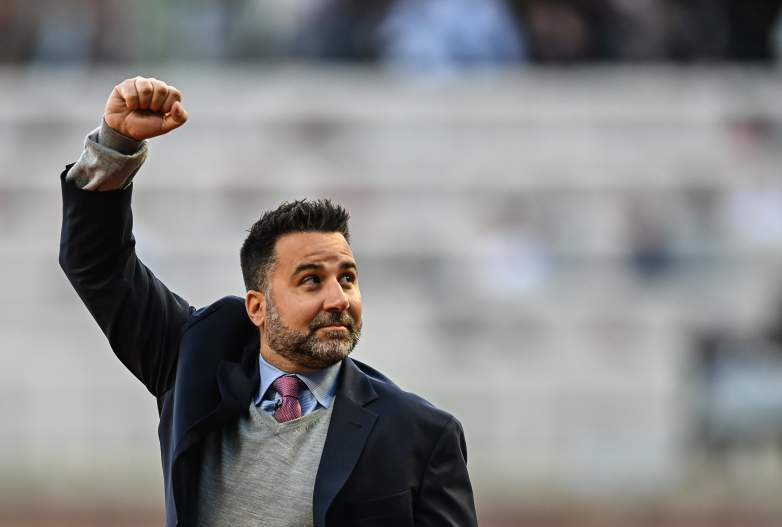
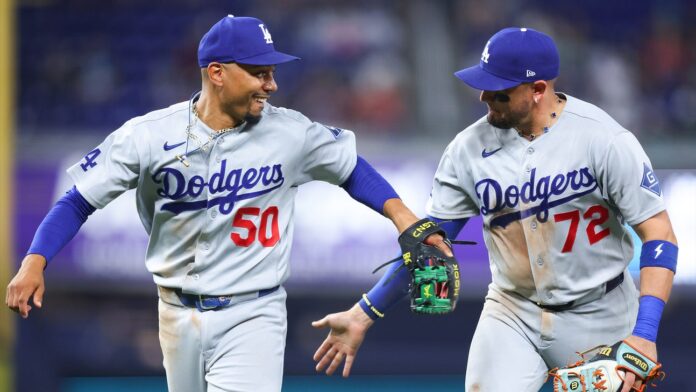
The broader deadline picture placed Atlanta’s move in context. The Seattle Mariners’ acquisition of Luis Castillo from Chicago reshaped the American League’s rotation picture, while the Los Angeles Dodgers’ blockbuster deal for Tarik Skubal gave them a two-time Cy Young winner for an injury-depleted pitching staff. Atlanta’s acquisition carries less immediate star power than either of those moves, but the league-wide deadline activity confirmed that clubs with legitimate October ambitions moved aggressively to address their needs, and Atlanta’s need, however unglamorous, was real.
Thomas is controllable, arrives without the friction of a complex contract situation, and gives the front office flexibility in how the outfield is constructed for the next year-plus. If his bat finds another gear in a deeper lineup context, the deal looks smarter in retrospect. If he continues hitting .230 through September, the Braves will win or lose on what the rest of their roster produces, the same as before.
The trade filled the hole Acuña left in the lineup. Whether it sealed the gap in Atlanta’s playoff ceiling is a question that won’t be answered until October, when what teams did at the deadline either matters or doesn’t.