
CUPERTINO — The app on your phone that edits your photos and the one that hosts your podcast may soon arrive in a single bill, sold together at a discount, with Apple taking its 15 to 30 percent cut on the whole package. That is the promise Apple made to developers Monday at its Worldwide Developers Conference. Whether it is a gift to consumers or a calculated move to keep revenue flowing through a commission structure that courts are actively dismantling is, as the lawyers would say, a contested question.
For the first time since the App Store opened in 2008, Apple said it would allow developers from different companies to bundle their subscriptions together and sell them as a single discounted package. Under the new system, a productivity app maker could partner with a calendar developer to offer both subscriptions at a lower combined price than buying each separately. A photography app could bundle with a video editing tool. A note-taking service could pair with a task manager. Apple is calling the format App Store Bundles. A second, more restrictive format known as App Store Suites takes the logic further by packaging complementary subscriptions into a combined offering that is not available as individual standalone purchases at all.
The announcements, presented at Apple Park in Cupertino on June 8 as part of the company’s annual developer conference, represent what multiple analysts have called the most significant structural changes to how apps are sold on the platform since Apple introduced subscription pricing in 2016. They also arrive at a moment when the commercial logic of keeping transactions inside the App Store is under sustained legal pressure.
Since April 2025, following the long-running Epic Games v. Apple antitrust case, US developers have been permitted to route payments outside the App Store entirely, and when they do, they pay Apple nothing. A Supreme Court remand in April 2026, which asked a lower court to reconsider what constitutes a reasonable fee in that context, has left the situation unresolved. The commission-free external payment window may narrow, or it may not. Apple, in the meantime, has a concrete interest in making its in-app purchase system attractive enough that developers choose to stay. The bundle feature hands them a new commercial reason to do exactly that.
The playbook is not new. Apple’s own bundling instincts are visible in its Apple One subscription, which groups Apple TV+, Apple Music, Apple Arcade, and iCloud storage into tiered packages. A joint Apple TV+ and Peacock bundle launched in November 2025 offers a 47 percent discount over buying both services separately. Extending that logic to third-party developers is, in effect, asking the broader App Store ecosystem to adopt a retention strategy that Apple itself has relied on for years.
TechCrunch reported Monday that the new bundles borrow from a strategy already widespread in streaming and media, where companies package subscriptions together to boost perceived value and slow subscriber churn. The dynamics that drove HBO to bundle with Max, or Disney+ with Hulu and ESPN+, are now being offered as a toolkit to the developers who build apps for 1.8 billion active Apple devices.
The commercial terms carry their own constraints. Apple says each app can appear in no more than three bundles simultaneously. Bundled prices must be set at a discount relative to buying the individual subscriptions separately. Both formats route payments through Apple’s In-App Purchase system, which is, of course, the point. An Analysis Group study released on June 4, 2026, commissioned by Apple, put the total value of developer billings and sales facilitated by the App Store in 2025 at more than $1.4 trillion. That figure is methodologically contested — it includes commerce that flows through apps rather than payments to Apple directly — but it indicates the scale of the ecosystem Apple is trying to keep cohesive as the legal ground beneath its commission model continues to shift.
The broader WWDC App Store announcement also included group subscriptions, which allow one subscriber to purchase multiple seats and invite other users to join under the same plan, a feature Apple says is designed for families, small businesses, and school environments. Volume purchasing through Apple Business Manager and Apple School Manager, intended for enterprise and education customers buying at scale, is expected to arrive this fall. Group subscriptions are scheduled for this winter.
A new Retention Messaging feature will let developers present tailored offers or context during the cancellation process, effectively giving apps a tool to argue against their own unsubscription. Creative Assets, also announced Monday, allow richer images and video in App Store product pages and search results, with a centralized Asset Library in App Store Connect so that promotional materials can be reused across campaigns without triggering a full app review submission.
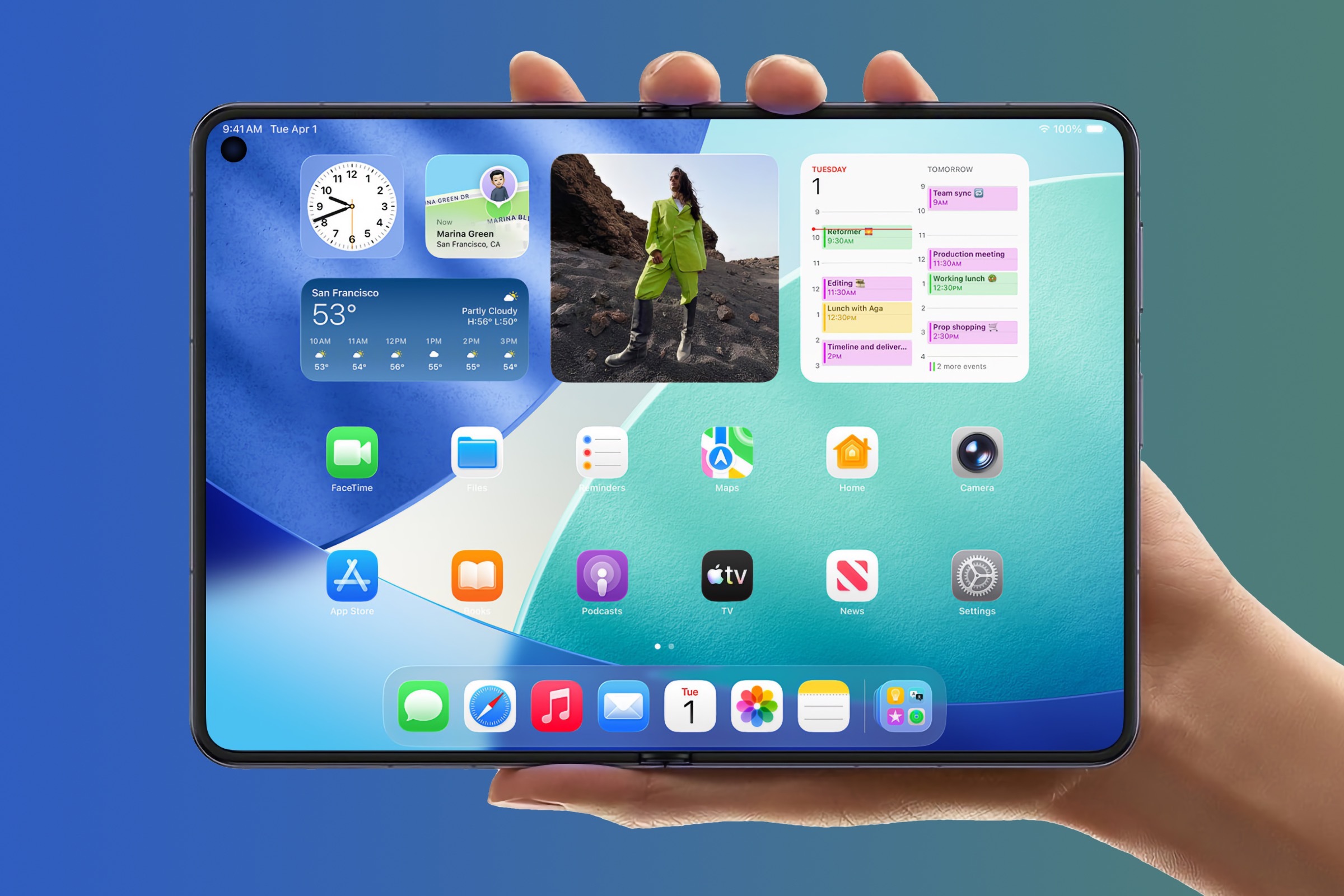
On the discovery side, Apple announced Personalized Collections and App Notes, AI-driven recommendation features that surface apps based on a user’s installed software and usage history, with brief explanatory labels indicating why a given app is appearing. The features began rolling out on June 8 in English in the United States. Additional languages and regions are to follow, Apple said, without specifying a timeline. The App Store changes were announced alongside a broader iOS 27 rollout that includes dozens of features Apple never mentioned on the WWDC stage.
What Apple did not address on Monday is the question that sits behind all of this: whether the bundle feature will meaningfully change developer behavior on external payments, or whether it will function primarily as a retention tool for developers who were never going to leave the In-App Purchase system anyway. The companies most likely to experiment with external payment routing are the large platforms — Spotify, Netflix, Amazon — that have the legal resources to navigate the alternative compliance path and the brand recognition to reassure users. The mid-tier developers who are the most plausible early adopters of cross-company bundles are also, typically, the ones least equipped to build and maintain an off-platform payment stack.
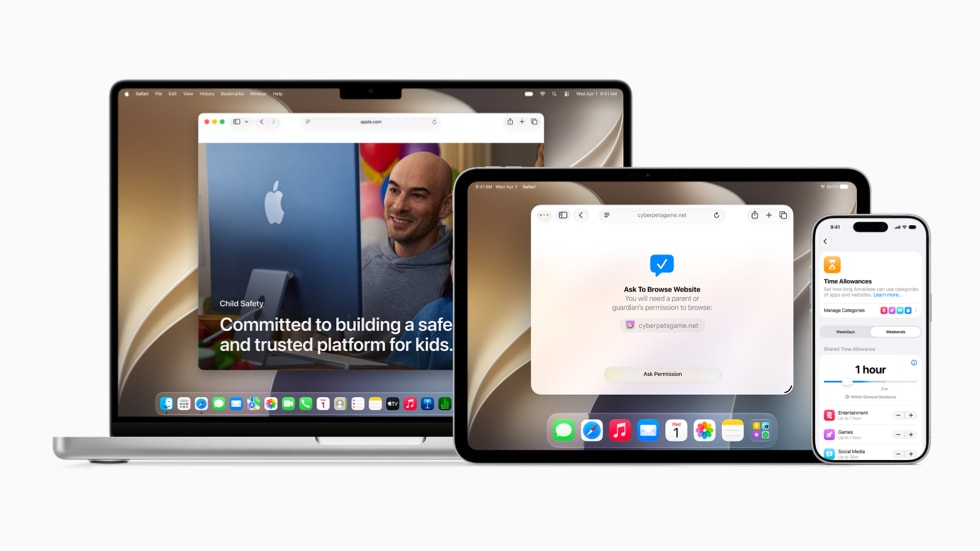
Apple also updated Mac App Store requirements on Monday, removing the obligation for developers to support Intel-based Macs. Developers can now distribute Apple Silicon-only apps, eliminating the need to maintain separate Intel-compatible versions. The company also announced that developers will be required to disclose whether their apps feature social media integration, a disclosure rule connected to the expanded parental control framework in iOS 27, iPadOS 27, and macOS 27, where a new Time Allowance system lets parents set limits on how long children spend in specific app categories.
Earlier this year, the company introduced cheaper App Store subscription tiers that required a 12-month commitment, a move that drew criticism from some developers who saw it as a way to lock users into longer payment cycles. The bundle announcement extends that subscription-first strategy into cross-company commercial relationships. A separate App Store fraud prevention report from May 2026 put the value of stopped fraudulent transactions at $2.2 billion last year, a figure Apple has deployed in court and in public to argue that its closed review process is worth the commission it charges. Whether cross-developer bundles prove compelling enough to close the commercial gap opened by the Epic ruling is a question the summer’s developer sign-up numbers will begin to answer.
Details on how developers can request access to Bundle and Suite functionality are expected later this summer, Apple said. The updates were announced as WWDC 2026 continues through June 13 at Apple Park, where the company is also previewing iOS 27, macOS 27, and a rebuilt Siri assistant. It is the last WWDC for Tim Cook, who announced he will hand the chief executive role to John Ternus, senior vice president of hardware engineering, on September 1. What the transition means for Apple’s increasingly adversarial relationship with regulators and courts is a question that will outlast the conference.