
ATLANTIC CITY — The woman who cleans your hotel room at the Hard Rock does not yet know what her contract will say in twelve months. That uncertainty, shared by roughly 10,000 casino workers across Atlantic City, is now baked into the agreements themselves.
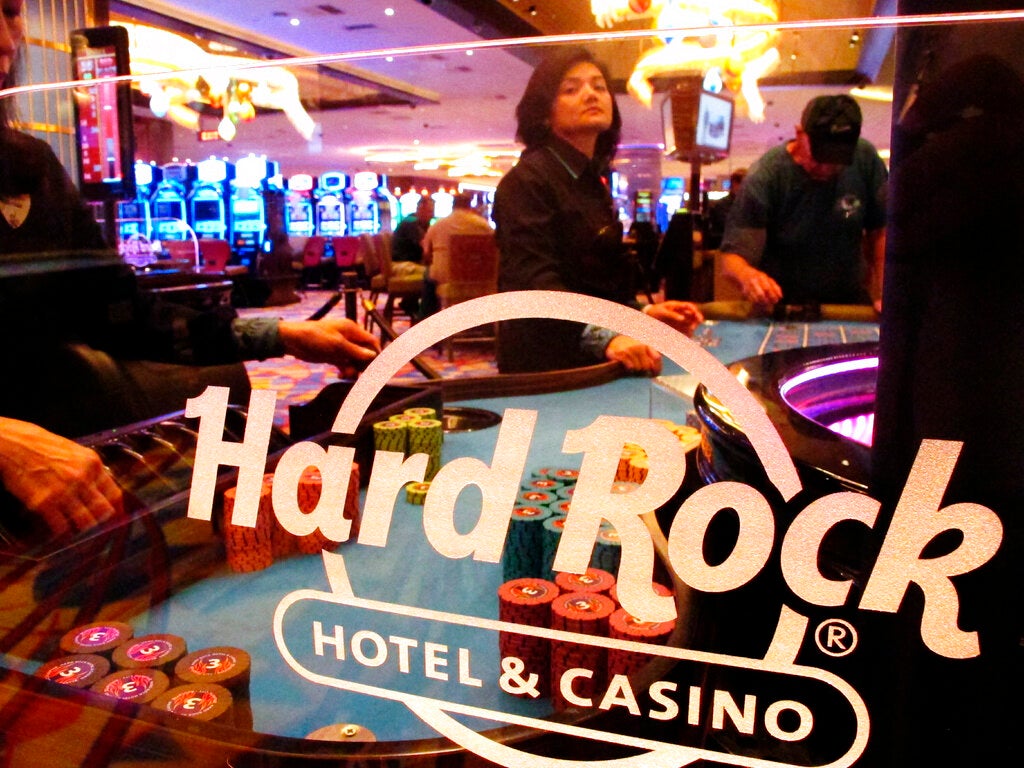
Local 54 of Unite Here, the largest hospitality workers union in New Jersey, confirmed this week that it has ratified labor agreements with six of Atlantic City’s nine casinos. The most recent was the Hard Rock Hotel and Casino, where 99.3 percent of eligible workers voted to approve a one-year contract. The vote followed similar ratifications at five other properties, each with the same narrow twelve-month window. Three casinos — their identities not yet disclosed by the union — remain in active negotiations.
That the deals are one-year agreements at all is the news. In every major round of Atlantic City casino labor negotiations in recent memory, Local 54 has secured multi-year contracts — the most recent prior cycle produced four-year deals. A deliberate retreat to a single year signals something the carefully worded press statements do not quite say: both the casinos and the workers believe the market may look substantially different by mid-2027, and neither side wants to be bound to assumptions that could quickly become obsolete.
Donna DeCaprio, the union’s president, framed it plainly. The union and the casinos agreed, she said, that a one-year deal was preferable given the “significant uncertainty” facing the Atlantic City casino market. The phrase is a diplomatic container for a specific threat: New York.
Hard Rock International is currently among the bidders for one of three commercial casino licenses that New York State is preparing to award in the New York City metropolitan area. The company has put forward a proposal for a resort adjacent to Citi Field in Queens, which would place it in direct competition for the same tri-state visitors — the day-trippers, the weekend gamblers, the convention traffic — that have sustained Atlantic City through a decade of consolidation and closures. That Hard Rock just ratified a new labor agreement with its Atlantic City workforce while simultaneously lobbying for a Queens casino license is not a contradiction; it is, rather, a company hedging two bets at once.
The competitive threat from New York is not hypothetical. A venue in Queens has already begun offering live table games, a development that New Jersey officials have viewed with open alarm. State senators have warned publicly that additional New York casinos could suppress Atlantic City’s visitor counts and tax revenues in ways the market has not fully priced. The indoor smoking debate — a long-running argument about whether Atlantic City’s remaining competitive edge includes the freedom to light up at the slots — adds another layer of regulatory uncertainty that neither management nor labor has resolved.
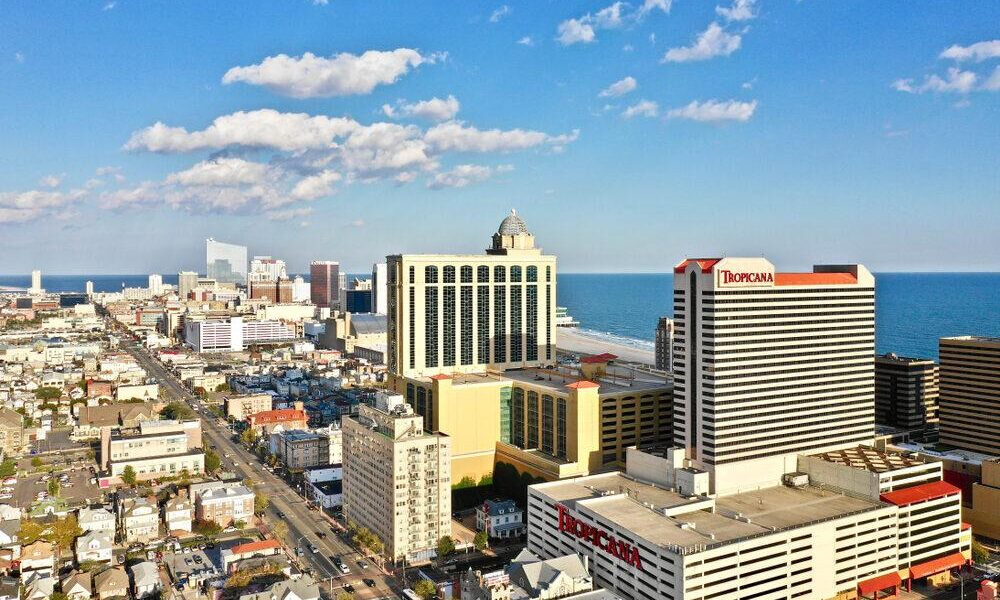
Against that backdrop, the specific gains inside the Hard Rock contract are meaningful but carefully bounded. Housekeeping workloads were reduced, protections against outsourcing were strengthened, and wages increased. New provisions include paid wellness days and attendance bonuses. Health care coverage was preserved. What the contract does not contain — and what neither side was willing to discuss in detail — are any provisions that would carry workers or management past the current window of uncertainty into the New York licensing timeline.
The Indiana casino labor market offers an instructive, if uncomfortable, precedent. When casino dealers in Indiana revived the recognition strike tactic in late 2025, the underlying driver was the same: workers who sensed a shifting market trying to lock in protections before the terrain changed beneath them. Atlantic City workers and their union are making a different calculation — accepting a shorter contract precisely to stay mobile.
The New York casino expansion story has been developing for years. When New York City’s three casino licenses were first framed as a billion-dollar bet on the city’s gambling future, the secondary question — what happens to Atlantic City when that bet pays out — was largely left unasked. The Local 54 contracts suggest the workers and the casino operators have started asking it.
The three remaining properties without contracts are navigating the same uncertainties, but with less leverage on both sides. The same uncertainty that pushed six casinos into one-year deals is also shaping what the holdouts are willing to offer and what the workers are willing to accept. Whether those negotiations produce agreements before the summer travel season peaks — historically the leverage moment for labor in Atlantic City — is not yet clear.
What is clear is that Atlantic City’s casino labor market has, at least for now, stopped pricing itself in four-year increments. That is a tell. The city has survived the bankruptcy of the Trump Taj Mahal, the closure of five casinos in a single year, and a pandemic. What it has not yet survived — and what the one-year contracts quietly acknowledge — is the arrival of a fully operational New York casino market on its doorstep. Consolidation pressures in the casino sector, already visible in the Caesars Entertainment acquisition talks involving Tilman Fertitta, add a further dimension: workers negotiating short-term contracts are also negotiating against the possibility that the ownership structure of their employer may itself change before the year is out.
The 99.3 percent approval rate at the Hard Rock is the union’s strongest argument that it got what it could. The one-year term is management’s strongest argument that it gave only what it had to. Both sides are waiting to see what New York looks like by next June.