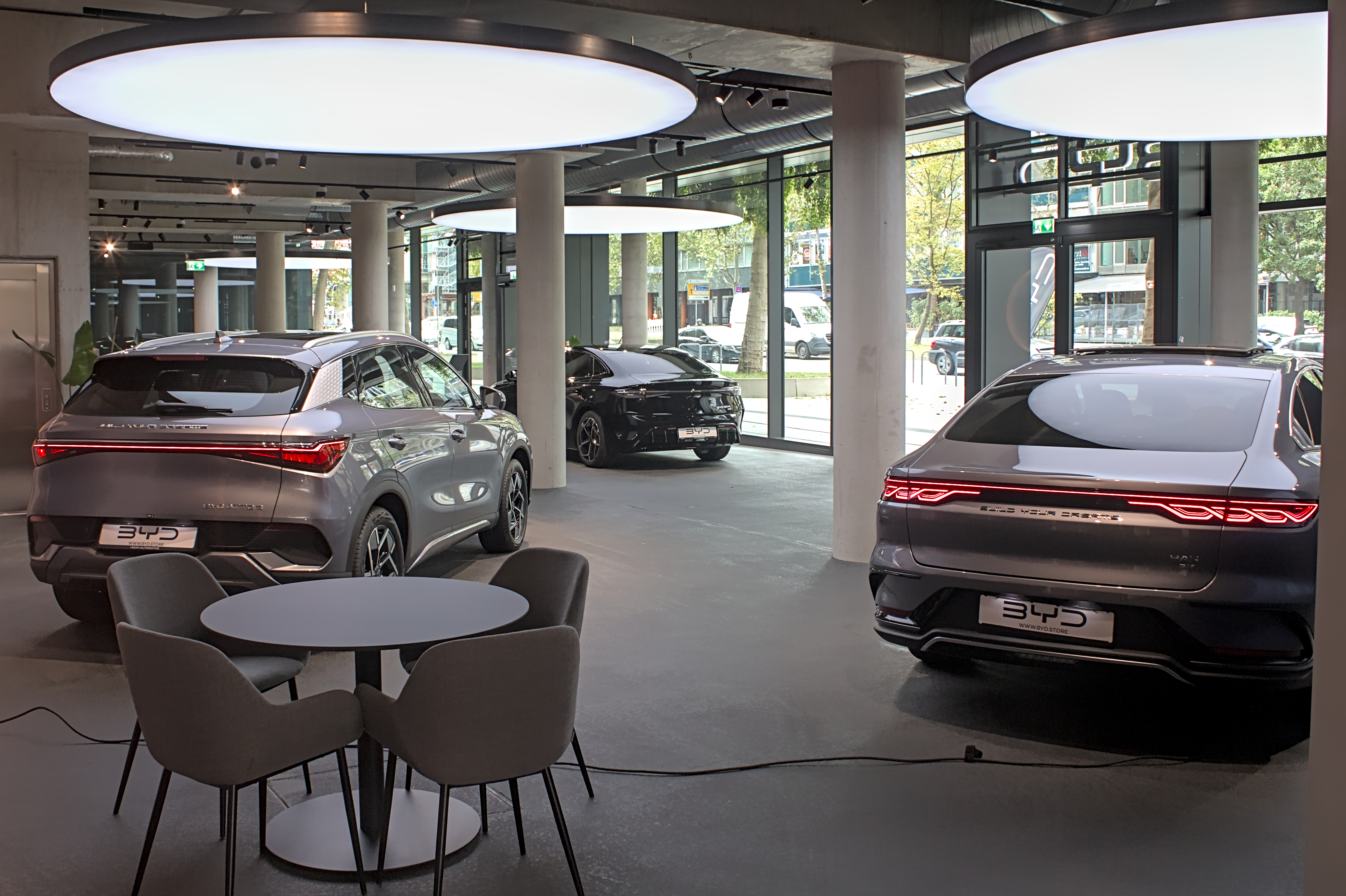

SHENZHEN — Wang Chuanfu picked the hardest possible week to promise the world. With BYD’s Hong Kong shares down more than 45 percent from their peak and deliveries at home shrinking, the company’s founder stood in front of nearly 1,000 shareholders at its Shenzhen headquarters on Tuesday and told them the Chinese carmaker would be the biggest in the world within five years.
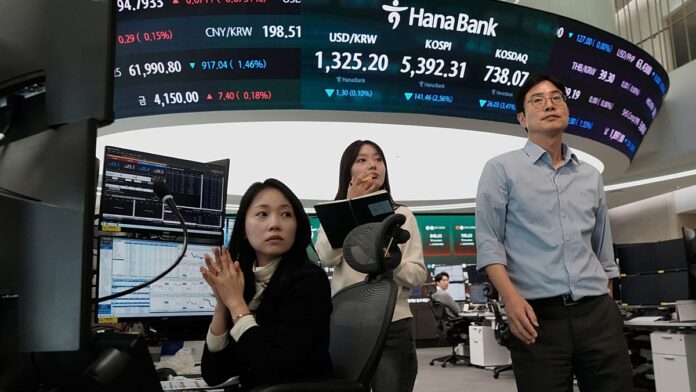
The arithmetic of that pledge is brutal and Wang did not pretend otherwise. BYD ranked sixth globally last year with 4.6 million vehicles sold, Reuters reported, and the company it must overtake, Toyota, sold more than twice as many. The stock answered the speech the way it has answered most BYD news this year: it slid, with the Shenzhen-listed shares already down about a third over the past twelve months.
What gives the boast its footing is the half of the business that is working. BYD’s exports grew 65 percent in the first five months of the year, with Brazil, Britain and Australia its largest markets, a list that says as much about trade policy as about cars. Those are places that let Chinese vehicles in. The United States, which has walled its market off with tariffs and last week’s Pentagon designation of BYD as a military company, does not appear on the list, and BYD is becoming the world’s measuring stick for electric cars anyway, one open market at a time.
The other half of the business is the reason the room needed reassuring. Overall deliveries fell more than 20 percent in the same five months, dragged down by a home market where a price war that BYD itself escalated has been joined by Xiaomi, Leapmotor and a dozen other rivals willing to lose money longer. The company that taught China’s auto industry to fight on price is now being fought on price, and the export surge has not been large enough to cover the difference.
Wang’s answer, delivered at the annual general meeting, was capacity and chemistry. He told shareholders the constraint on this year’s sales is output of the company’s second-generation Blade Battery, and that volume comes back next year as production ramps. The new battery and the company’s flash-charging system have drawn strong interest at home and abroad, he said, according to the South China Morning Post. It is a vertically integrated company’s theory of recovery: the bottleneck is ours, therefore the fix is ours.
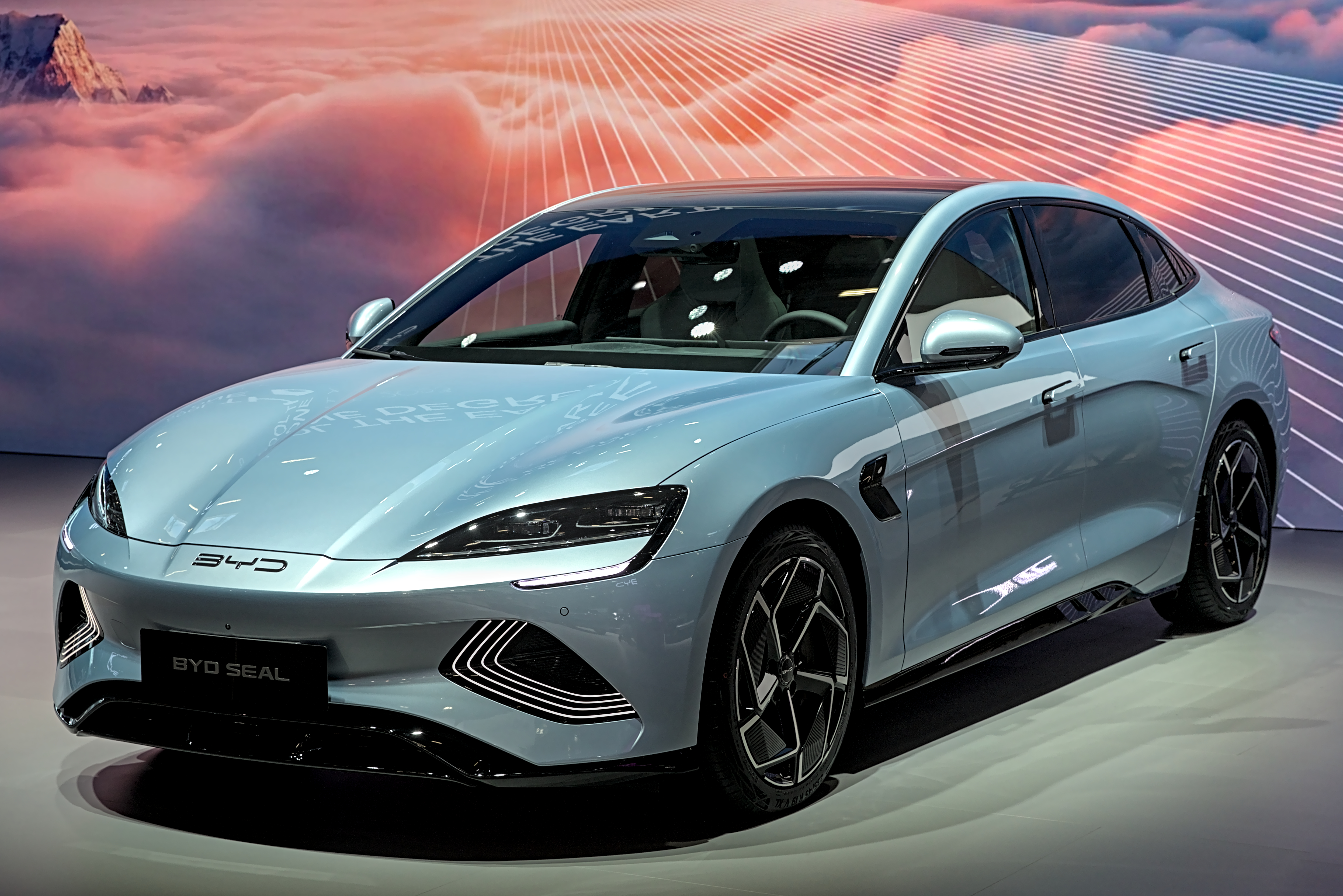
The five-year claim deserves more respect than the share chart suggests. BYD has already done a version of this once, going from a battery maker mocked by Elon Musk in 2011 to the company that ended Tesla’s reign as the world’s largest electric vehicle seller. Scale in autos is won in exactly the markets where BYD is growing fastest, the middle-income countries that Toyota built its crown on. A 65 percent export curve, compounded for five years from factories in Brazil, Thailand, Hungary and Turkey, is not a fantasy; it is a spreadsheet any Toyota strategist can run and none of them will enjoy.
The risk sits in the same spreadsheet. Toyota’s lead is built on hybrids, a technology Chinese consumers and emerging markets have also embraced, and on a dealer and service network BYD is still buying its way into country by country. And the price war at home, which regulators in Beijing have leaned on automakers to cool, eats the margin that funds the expansion. As Eastern Herald reported on the arithmetic now confronting Western EV makers, three of every four electric cars sold worldwide are already Chinese; the question Wang answered on Tuesday was simply which Chinese company collects the crown.
Shareholders leaving the Shenzhen auditorium were being asked to hold two pictures at once: a stock that has halved and a company whose cars are the default choice from São Paulo to Sydney. Wang has bet his credibility that the second picture is the real one. He has five years, a battery line to ramp, and a Japanese giant with no intention of moving aside.