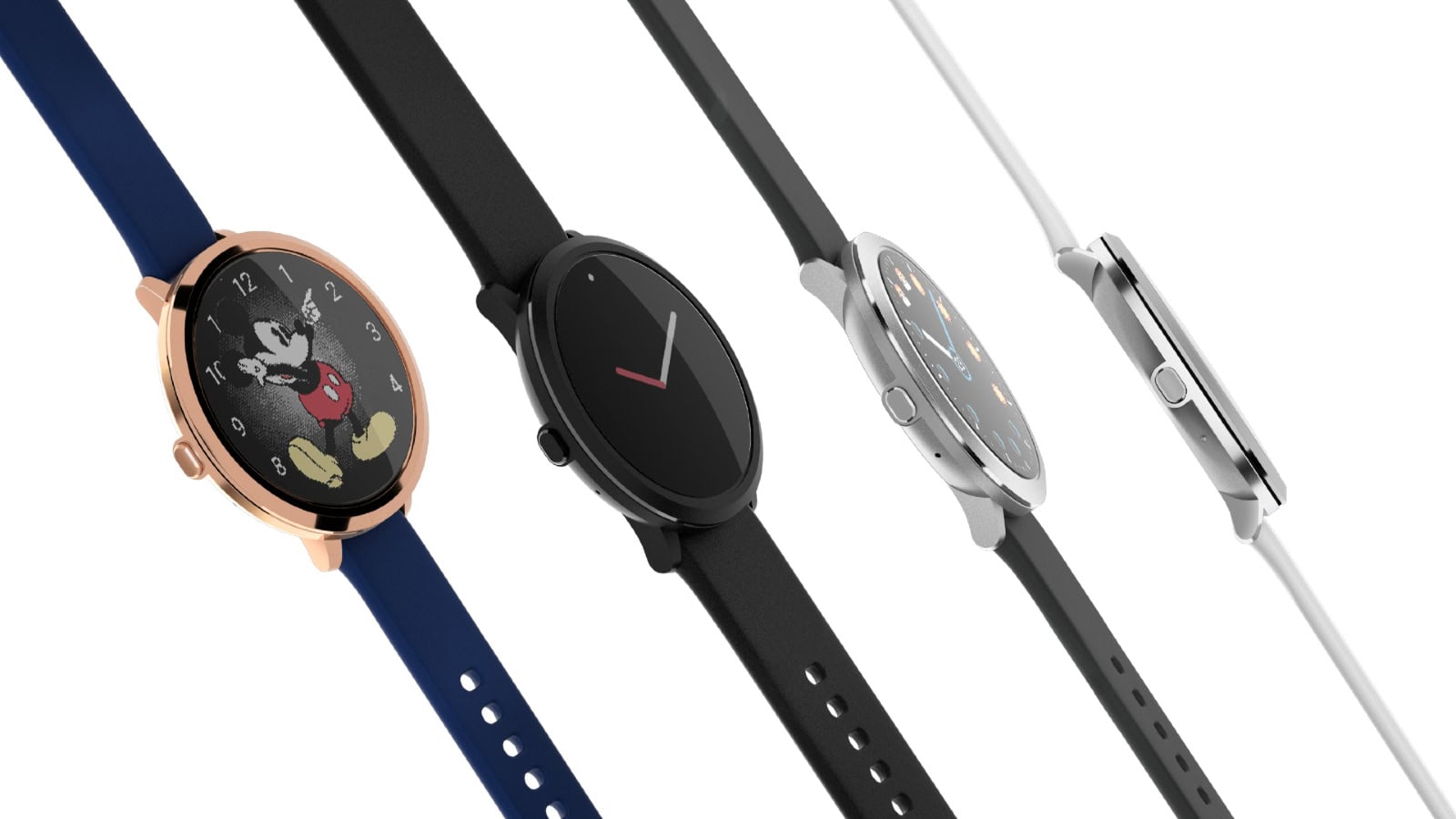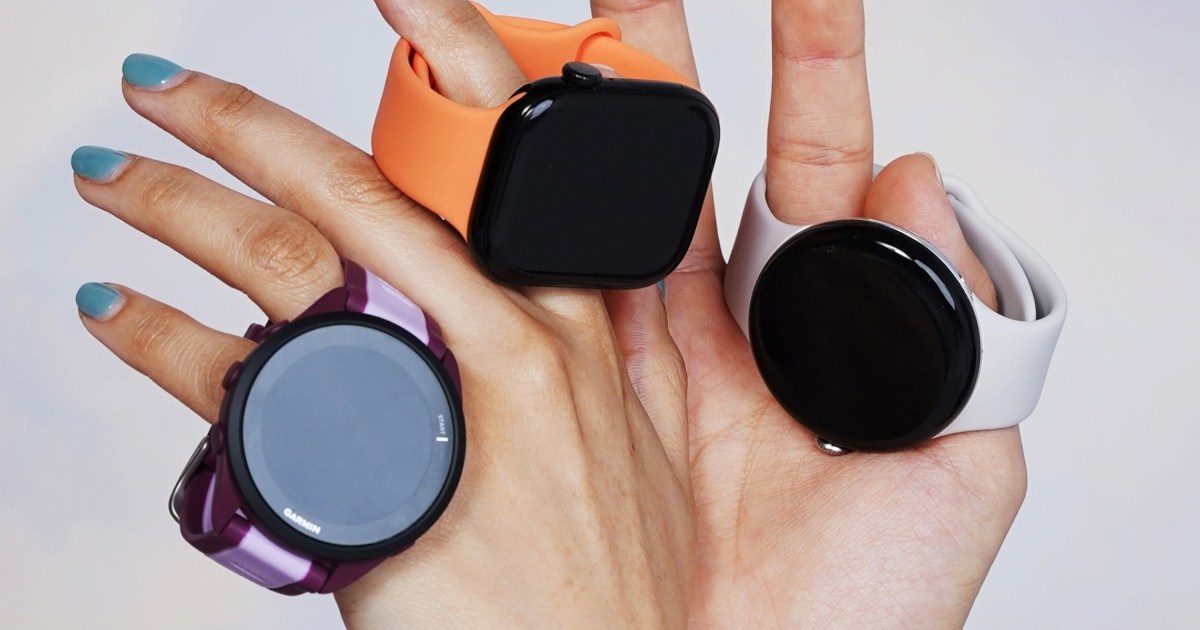

SAN FRANCISCO — For owners of the original Pixel Watch, Google delivered a quiet verdict this week: the four-year-old smartwatch has reached the end of the line.
Verizon updated its support pages for the Pixel Watch 2, Pixel Watch 3, and Pixel Watch 4 on Monday, listing an imminent Wear OS 7 rollout carrying build number CP2A.260603.001 for all three devices. The June 2026 security patch is bundled in. The original Pixel Watch, released in October 2022 at a starting price of $349, is absent from the list entirely — a notable exclusion given that Google had formally extended software support for that device only through October 2025, a promise it kept.
The absence lands differently for people who paid premium prices for a first-generation product on the expectation that Google’s hardware would age as gracefully as its software commitments suggested. It did not.
Whether Verizon’s support pages accurately reflect the rollout timeline is another question. The carrier lists June 9 as the release date, but the update had not begun reaching devices as of Tuesday, and Google has made no announcement. Based on how these situations typically unfold — a carrier pre-populating support documentation ahead of a coordinated push — the update is likely days away, not weeks.
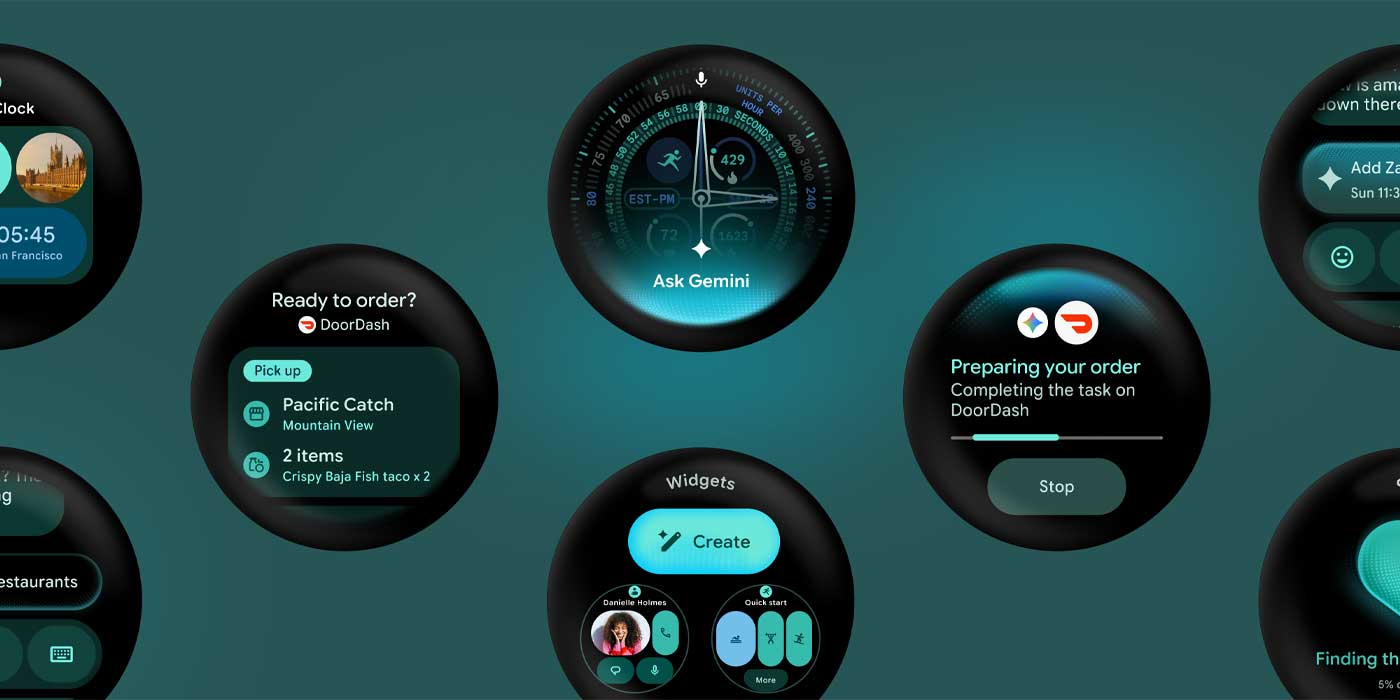
What Wear OS 7 actually delivers matters more than the rollout drama. Announced at Google I/O last month, the platform update is built on Android 17 and introduces Wear Widgets, which replace the existing Tiles system with what Google describes as more flexible and dynamic controls available in two sizes. Live Updates — which allow widgets to push real-time information about food delivery, package tracking, or navigation without requiring a tap — arrive alongside them. The media player has been reworked, and per-app media auto-launch controls give users finer-grained management over which apps can commandeer the watch’s audio interface.
The battery-life claim is the one that will register most clearly with daily users. Google says Wear OS 6 watches upgrading to Wear OS 7 should see a 10 percent boost in battery life — a figure that, if it holds across real-world usage, would be meaningful for a category of device that has historically struggled to last a full day under heavy use. Android Police noted that Wear OS 7’s Android 17 foundation should not tie its release to Android 17’s broader rollout schedule for phones.
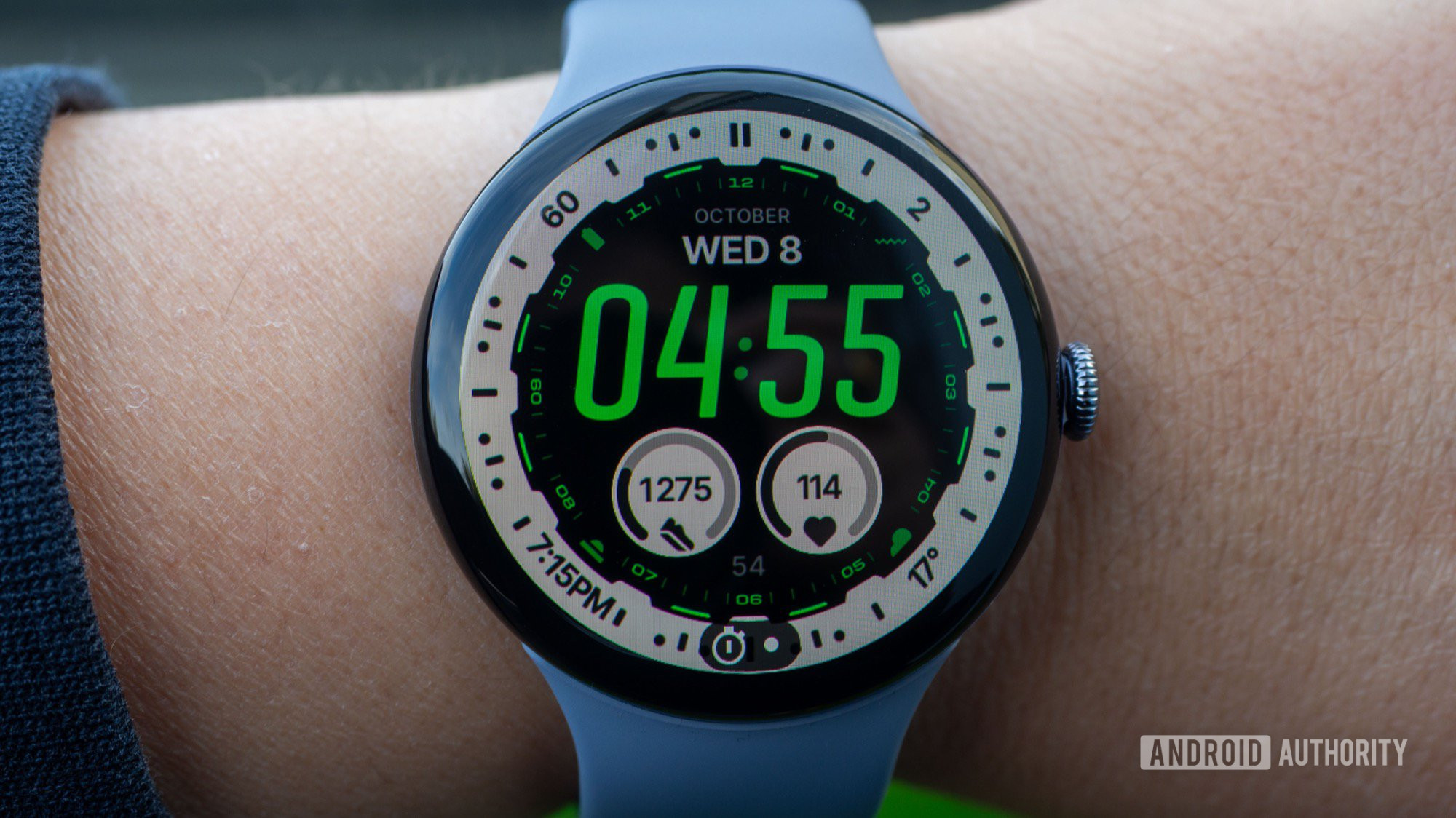
The Watch Face Format has also been upgraded to WFF5, with enhanced alignment and auto-sizing options for watch face designers — a change that matters more to the ecosystem of third-party face developers than to most consumers but signals that Google is treating the platform as a long-term product investment rather than a year-over-year hardware upsell vehicle.
For Pixel Watch 4 owners in particular, the update lands at an interesting moment. The device launched last fall with already-competitive battery performance, and a further 10 percent improvement would push it into territory that meaningfully narrows the gap with Apple Watch Ultra — though not close it. The Pixel Watch 3 and Watch 2, which both shipped with smaller cells, stand to gain proportionally more from the same efficiency improvements.
Google’s Fitbit Air screenless fitness band, announced at I/O and positioned below the Pixel Watch lineup, will run a stripped-down version of the same platform. That device’s $99 price point and the Pixel Watch 4’s $349 floor define the current hardware range across which Wear OS 7 will operate — a wider span than Google has previously offered in wearables.
The Verizon changelog, sparse as it is, matches the bare-bones update notes the carrier typically provides for smartwatch software releases. It lists the Wear OS 7 update, the June security patch, and performance and stability improvements — nothing more. The absence of any feature detail in the carrier’s documentation does not indicate the update will be stripped-down; carrier changelogs for smartwatch updates are almost uniformly minimal regardless of what the update actually contains.
What remains unclear is whether the rollout will begin simultaneously for all three eligible models or whether Google will stagger the push. The identical build number across Pixel Watch 2, Pixel Watch 3, and Pixel Watch 4 suggests a unified release, but staged rollouts — where a small percentage of devices receive the update first — are standard practice and would mean some users wait longer than others regardless of their model.
For owners of the original Pixel Watch, the update schedule no longer applies. Google’s Android roadmap for 2026 has moved on, and the first hardware bet the company made in the smartwatch category has officially aged out of the software conversation.
The broader question that Wear OS 7’s imminent arrival raises — whether Google’s wearable platform can close the distance with Apple Watch in health-sensing capability, not just power efficiency — is one the changelog does not answer. Battery life and widgets are table stakes. The sensors and the AI stack built on top of them are what determine whether a smartwatch is worth wearing. On that question, according to Android Authority, the update itself is silent.