
SAN MATEO — PlayStation Plus subscribers woke up to one of the strongest Game Catalog lineups of the year on Wednesday, and they may not get all of it until the month is nearly over. That is not an accident.
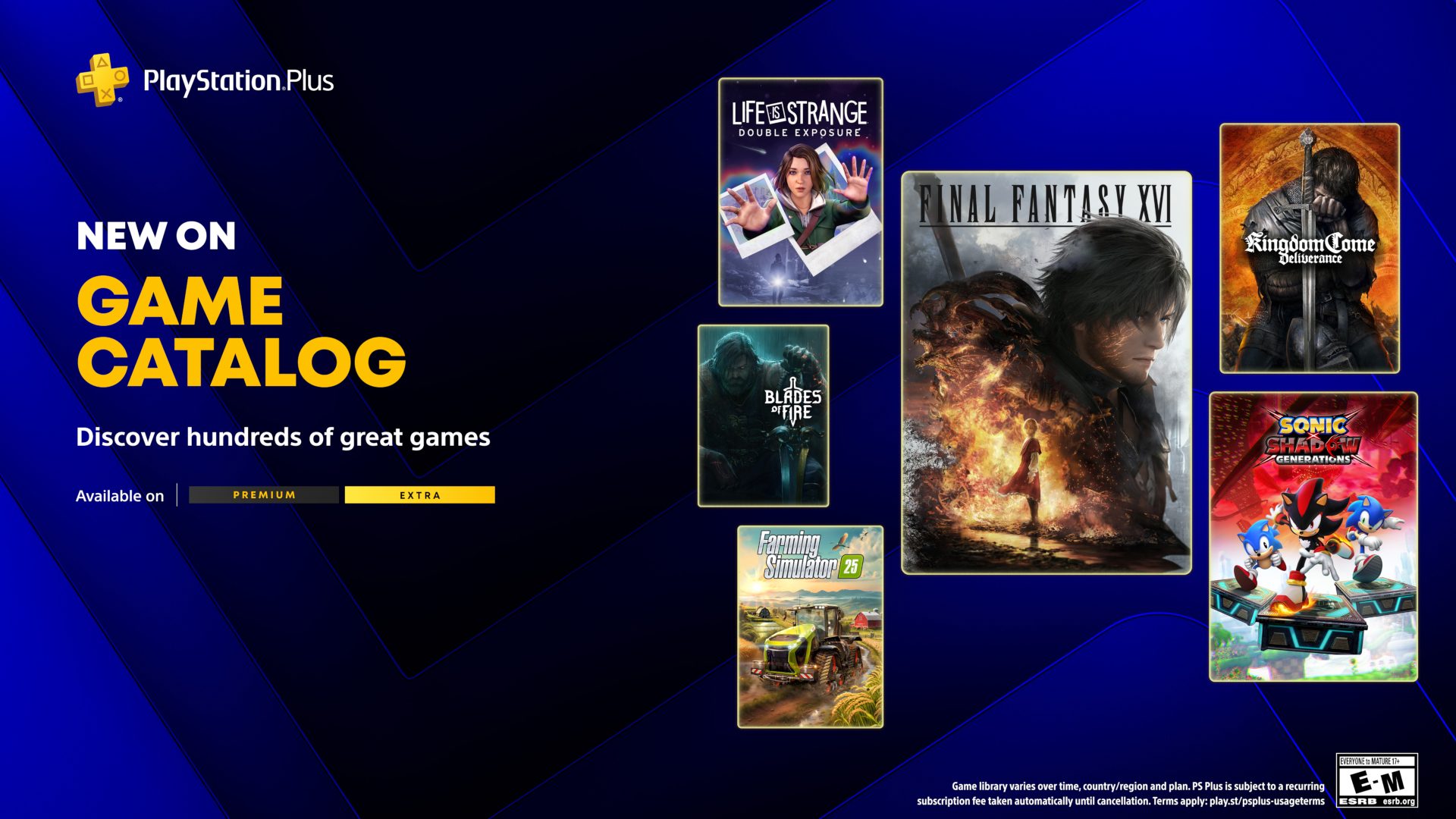
Sony Interactive Entertainment announced that Final Fantasy XVI, Kingdom Come: Deliverance, Life is Strange: Double Exposure, Farming Simulator 25, Blades of Fire, Black Desert, and Sonic X Shadow Generations would join PS Plus Extra in June 2026, with the PS2 rhythm classic Gitaroo Man rounding things out for Premium subscribers. Eight titles in total, with substantial critical pedigree across most of them. The lineup is, by any reasonable measure, exceptional. Final Fantasy XVI alone carries a Metacritic score in the mid-eighties and sold over three million copies in its opening week when it launched on PS5 in 2023.
But the announcement buried a change that has nothing to do with which games are in the catalog. For subscribers in the United States, United Kingdom, and Japan — the three territories Sony considers its primary markets — the games will not all arrive on June 16, the standard global rollout date. Instead, Sony is spreading the releases across the entire month: Sonic X Shadow Generations dropped today in the US and UK, Final Fantasy XVI arrives globally on June 16, Kingdom Come and Life is Strange follow on June 23, and Farming Simulator 25, Blades of Fire, and Black Desert do not unlock until June 30.
Adam Michel, Sony’s Director of Content Acquisition and Operations, described the change on the PlayStation Blog as the company “exploring new ways to deliver PlayStation Plus Game Catalog titles in select markets.” Sony did not elaborate on the rationale. It did not need to.
The logic is straightforward, even if Sony is not saying it plainly. A subscriber who has already downloaded and finished Final Fantasy XVI by June 20 would have little reason to maintain their Extra subscription if the rest of the month’s lineup appeared simultaneously. Staggering the releases — anchoring the marquee title at mid-month, holding the action RPG until the final week — means a subscriber interested in Blades of Fire has to remain active through June 30 to access it. Each new drop becomes a micro-renewal pressure. It is the same behavioral architecture Netflix uses when it releases episodes weekly rather than all at once: the content is the same, but the psychology of access is engineered to extend engagement windows.
What makes Sony’s timing notable is the context around it. The PS5 price hike, which took effect in the UK earlier this year, has visibly damaged hardware sales. Push Square reported that PS5 is now barely beating Xbox in the UK market, a benchmark Sony had cleared comfortably for years. When console hardware is under pricing pressure, subscription revenue becomes proportionally more important to the platform’s financial health. A service that keeps subscribers active and engaged for more days per month — rather than downloading everything in week one and going dormant — is a more defensible business.
The staggered rollout applies only to the three named territories. Subscribers elsewhere in the world, including Europe outside the UK, will receive the full lineup simultaneously on June 16. The regional asymmetry is itself informative: Sony is running this as a controlled experiment, collecting engagement data in its highest-value markets before deciding whether to apply the model globally. A German subscriber can play Blades of Fire two weeks before someone in London. That is an unusual position for Sony to put itself in, and the company has offered no public explanation for why those three markets and not others.
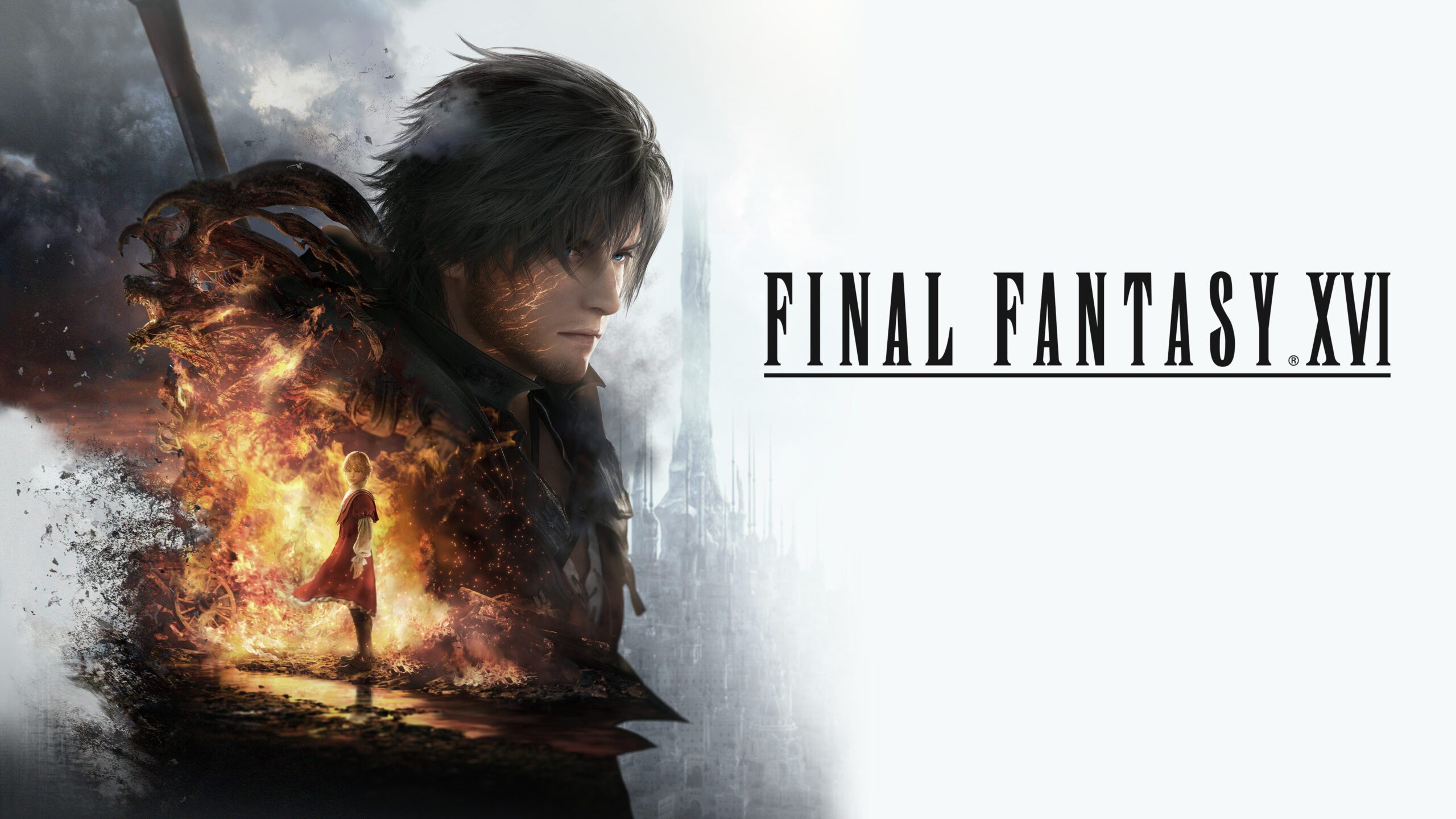
The games themselves deserve more than a footnote. Final Fantasy XVI represents something genuinely new for the franchise — a full action RPG built around a single protagonist, Clive Rosfield, rather than the traditional turn-based party structure the series was built on for decades. The departure divided longtime fans at launch. Some found the combat kinetic and satisfying; others found the role-playing elements too thin. Three years later, those arguments are mostly settled, and the consensus is that the game is a high-quality action title with a serious dramatic ambition that not everyone found fully realized. Its arrival on PS Plus at this price point — none — removes the stakes entirely.
Kingdom Come: Deliverance is a different kind of difficult sell. The medieval Bohemian RPG from Warhorse Studios is one of the most demanding open-world games of the last decade — no waypoints, no fantasy magic, an experience system that requires Henry, the blacksmith’s son at the center of its civil-war narrative, to actually practice sword fighting before he becomes competent at it. The game repels casual players and rewards those willing to fail repeatedly. The PS5 version includes graphical updates with 4K resolution and improved frame rate. It is exactly the game that benefits most from the low-friction environment of a subscription service: the kind of title many players want to try but would not risk forty dollars on.
Blades of Fire, from developer MercurySteam — best known for the Castlevania: Lords of Shadow series — arrives on June 30 as one of the newer titles in the lineup. Released in May 2026, the game has positioned itself as a deliberate counterpoint to the looter-fantasy genre, building its identity around a weapon-forging system in which every sword, axe, and spear a player creates carries permanent behavioral consequences. The combat is deliberate and, by most accounts, punishing. That it lands in the same month’s catalog as Final Fantasy XVI and Kingdom Come says something about the overall strength of June’s lineup that most months cannot match.
Life is Strange: Double Exposure rounds out the narrative tier, returning the series to its original protagonist Max Caulfield and a time-manipulation mechanic built around parallel timelines rather than rewind. The game received a polarizing reception at launch in late 2025, with some fans welcoming Max’s return and others finding the mechanics underexplored relative to the original. Square Enix, which published the title, has faced its own strategic pressures in the console gaming market; the decision to move it quickly into subscription catalogs reflects the broader economics of premium narrative games in a market increasingly organized around services rather than individual purchases.
Gitaroo Man, available exclusively to Premium subscribers, is a curiosity from a different era. The PlayStation 2 rhythm game from 2001, published in Japan by Koei and in the West by Mastiff, built a small but vocal following on the strength of its eccentric character design and legitimately difficult rhythm gameplay. Its inclusion in PS Plus Premium marks its first appearance on PS4 and PS5 hardware, according to Sony’s PlayStation Blog. Whether the game’s difficulty and age-specific appeal translates to new subscribers is an open question.
What Sony has not said is whether the staggered delivery model will become permanent, or whether June is a data-gathering exercise that will be abandoned if subscriber feedback turns sharply negative. In Push Square’s reader poll on the change, 54 percent of respondents described the staggered rollout as needless. That is a majority unhappy with a change Sony is explicitly calling an exploration, which suggests the experiment is not over, and the outcome is genuinely uncertain.
The PS5 price hike and the shifting subscription model are connected only by timing and by the underlying pressure Sony is under to sustain PlayStation’s revenue trajectory as hardware growth slows. Whether spreading game drops across a calendar month actually reduces churn — or just irritates subscribers who were staying anyway — is the question the data will eventually answer. Sony is betting it matters. June is the test.