
SAN FRANCISCO — When Eric Migicovsky flew to China a few weeks ago to inspect the latest pre-production samples of his company’s revived smartwatch, he found something that could not ship: a small indentation near the point where the strap meets the watch face, a cosmetic flaw left behind by the CNC machining process. The fix required adjusting the metal-injection-moulding tooling. Mass production, which had been imminent, stopped.
The result is that the Pebble Round 2, originally promised for May, will not begin shipping until July. Migicovsky confirmed the revised schedule on X this week, telling pre-order customers to expect their watches to arrive sometime between July and September. The Pebble help center, as of Wednesday, described the timeline more cautiously — noting that mass production had not yet started and that no firm date had been set.
That gap between the founder’s public reassurance and the company’s official documentation captures something worth examining in Pebble’s broader comeback story. The brand, resurrected by Migicovsky through his company Core Devices after Fitbit shuttered the original Pebble line in 2016, is running three hardware products simultaneously — the Pebble Time 2, the Round 2, and the Index 01 smart ring — and all three are operating on founder-narrated timelines rather than factory-anchored certainties. That is not necessarily a criticism. It is an honest description of what small hardware revivals look like from the inside.
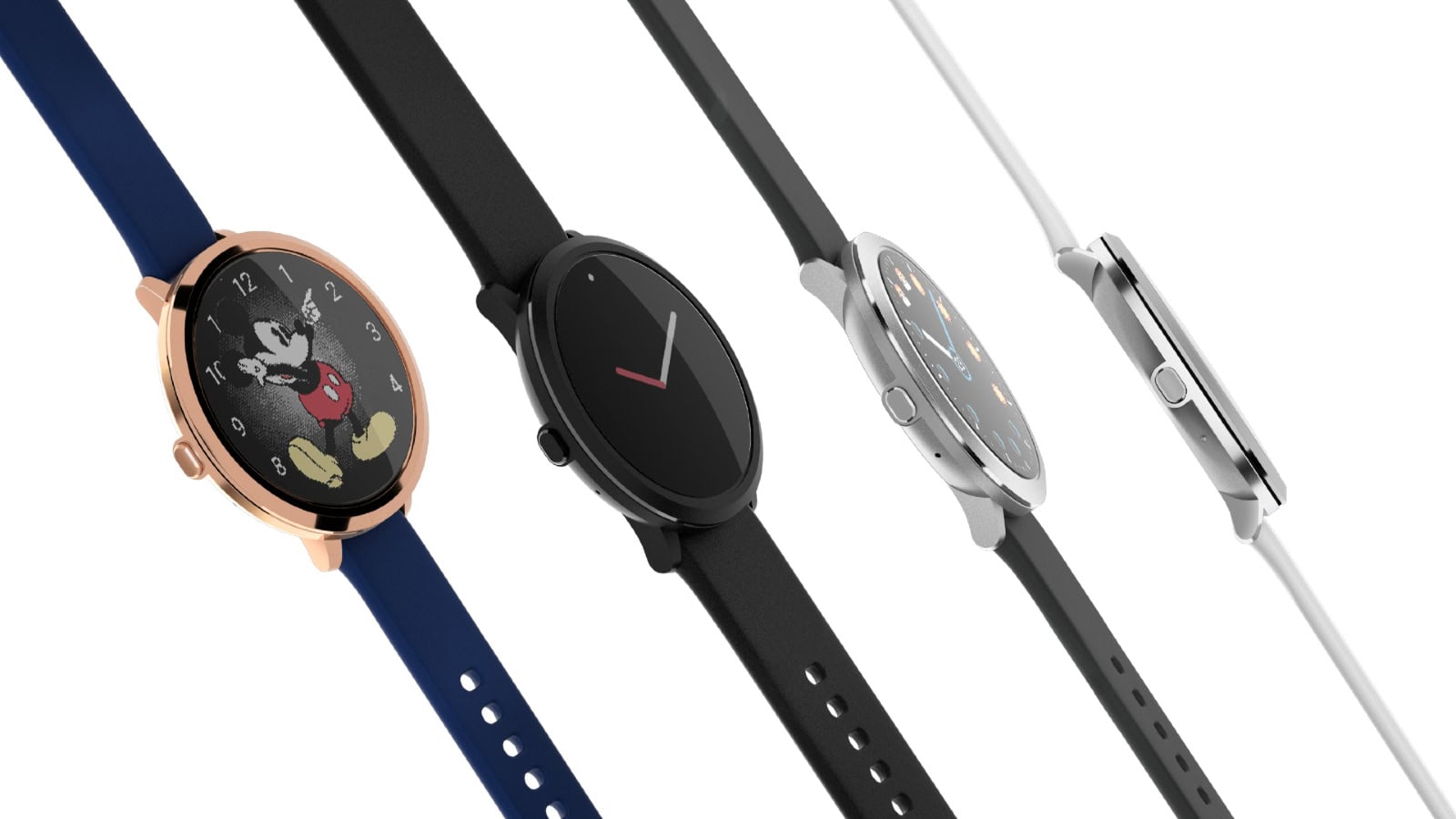
The Pebble Round 2 is priced at $199 and sells on the appeal of radical simplicity: a 1.3-inch color e-paper display running open-source Pebble OS, up to 14 days of battery life, and a chassis just 8.1 millimeters thick. It has no heart rate sensor. It does not run Wear OS or watchOS. It runs a software platform that Migicovsky and a small team rebuilt from scratch, and it connects to an app store of community-made watch faces and applications that survived the original shutdown a decade ago. The pitch to buyers is essentially that the Apple Watch and Galaxy Watch have become computers on your wrist, and not everyone wanted that.
The Pebble Time 2, the first product to ship in this revival, has reached most pre-order customers and appears, by Migicovsky’s account, to be on track to complete all outstanding orders by the end of June. The Round 2 is now three months behind. And the Index 01 smart ring — a product that requires seven different sizes and three color options, vastly complicating manufacturing — has produced 700 units against an order backlog of roughly 11,700. The company’s stated goal is to finish all Index 01 pre-orders by early August, though Migicovsky has hedged that target in language that signals awareness of the gap between planning and production.
None of this is unusual for a hardware startup operating outside the supply chain infrastructure of Sony or Samsung. What is unusual is the degree to which Migicovsky himself is the quality-control mechanism. The Round 2 flaw was not caught by an automated inspection system or a factory QA team submitting a report to a product manager in California. It was caught because the founder got on a plane. That is both a strength and a structural vulnerability. It works until it doesn’t, and for a company now shipping across three hardware categories, the bandwidth question is legitimate.
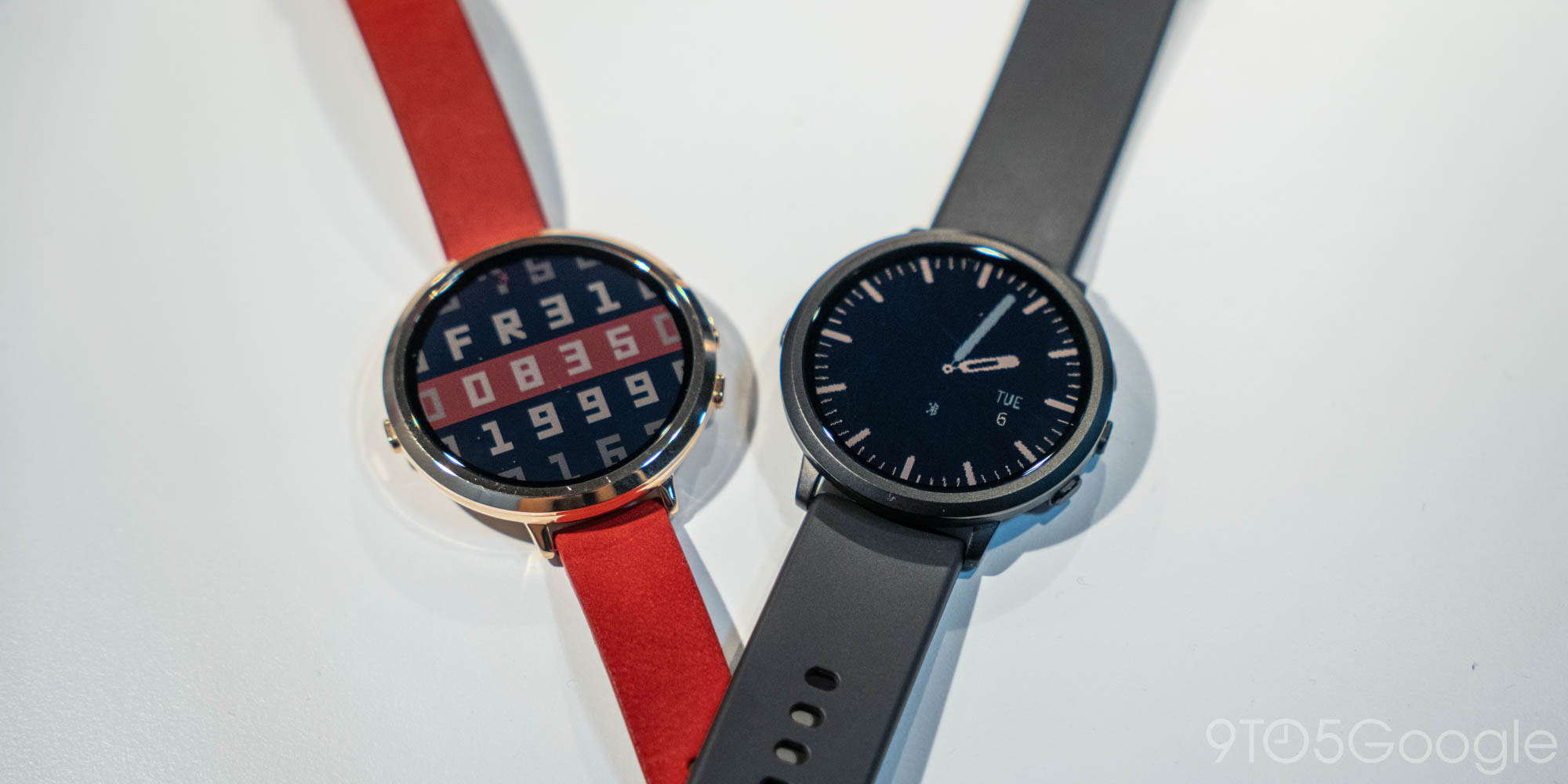
Pre-order customers waiting on the Round 2 will at least have a choice to make upon delivery. Migicovsky confirmed this week that black and brown leather strap options will be available, adding a premium finish to a device that was originally shown with more utilitarian bands. It is a small thing. But for buyers who paid $199 months ago on the promise of a watch that looks good as much as it tells the time, it matters.
The broader context is worth holding. The wearables market that Pebble walked away from a decade ago looks very different now. The Apple Watch Ultra 2 retails at $799. Samsung’s Galaxy Watch 7 pushes $300 at entry level. Neither battery lasts more than two days without optimization. The gap that the original Pebble occupied — long battery, glanceable display, open software — has not been filled by any mainstream competitor. That is the market logic behind Migicovsky’s revival, and it remains sound even with the shipping slippage.
What the Round 2 delay reveals is that executing on that logic requires more than a good product concept. It requires a manufacturing operation that can catch cosmetic defects before they reach customers without the founder personally inspecting every pre-production sample in Shenzhen. Pebble is not there yet. Whether it will be by September, when the last Round 2 pre-orders are expected to ship, is the question the company has not answered — and probably cannot answer until the tooling fix clears and mass production actually begins.
Migicovsky has been candid in a way that most hardware founders are not. The shipping timeline updates, the production counts, the factory visit that caught the flaw — these are not the communications of a company managing perception. They are the communications of an engineer who announced the Pebble Round 2 revival in January and has not stopped thinking like the person who built the original in a university lab. Whether that transparency translates into a company capable of delivering three products on time and at quality is a different test entirely, and one that July’s first Round 2 shipments will begin to answer.