
FRANKFURT — The European Central Bank did on Thursday what it had not done in nearly three years, and what its own forecasts say it can ill afford: it raised interest rates. The deposit rate went up a quarter point to 2.25 percent, CNBC reported, the first increase since 2023, and the central bank was candid about the reason. It is not European demand running hot. It is a war on the other side of the world.
The numbers around the decision describe a bind, not a recovery. Eurozone inflation hit 3.2 percent in May, its highest since September 2023, driven by a 10.9 percent surge in energy prices that traces directly to the US-Iran conflict and the threat to the Strait of Hormuz. At the same time the bloc’s economy contracted 0.2 percent in the first quarter, and the ECB cut its growth forecast for this year to just 0.8 percent. Raising rates into that is the textbook definition of the central banker’s worst job: tightening against inflation you cannot tame while the growth you are sacrificing was already gone.
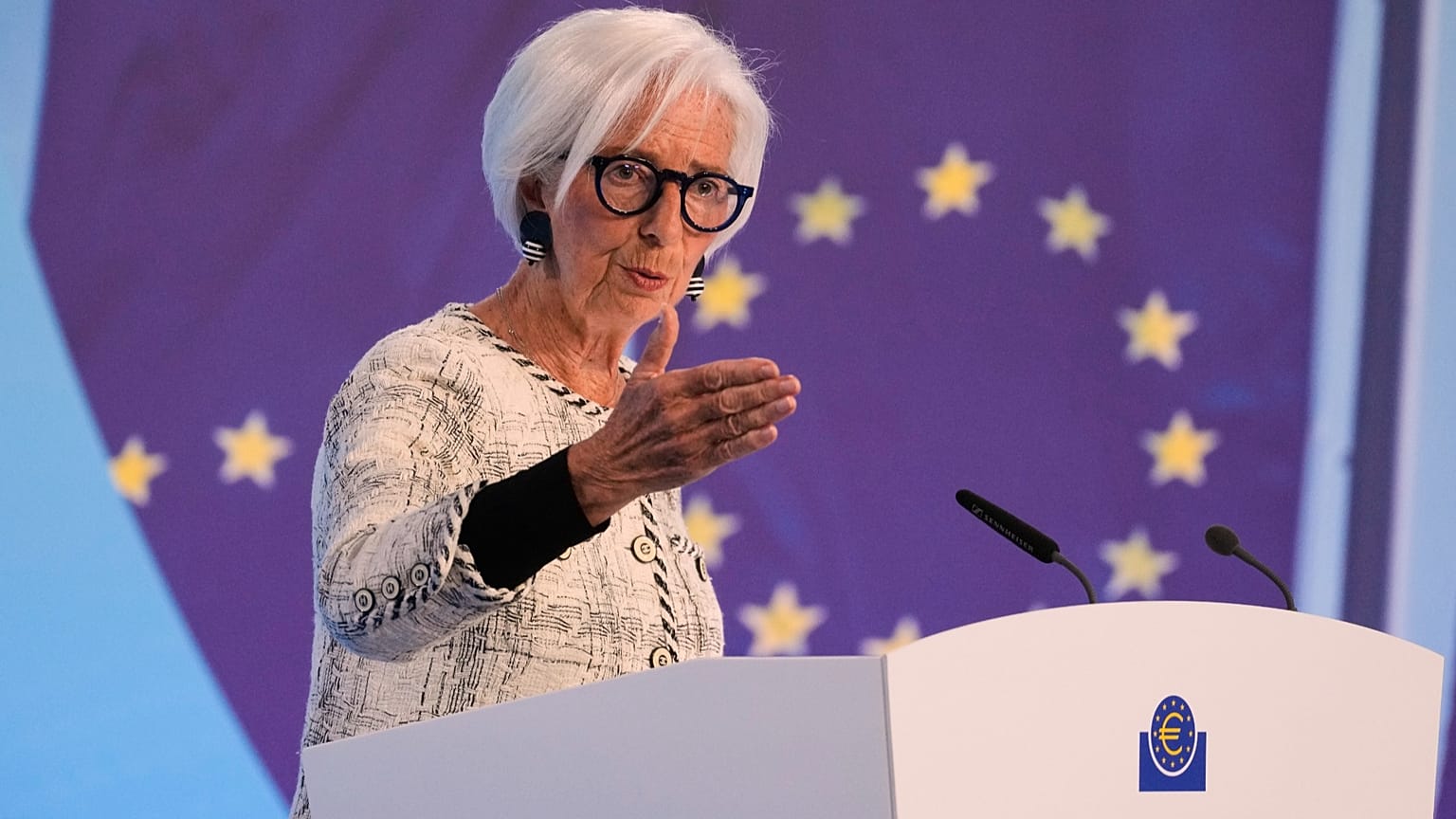
Christine Lagarde made no pretense about the source. The war in the Middle East is generating inflation pressures, the ECB president told reporters in Frankfurt, calling the decision to raise rates robust across a range of scenarios mapping out how the shock might evolve. The bank now expects headline inflation to average 3 percent across 2026 before easing to 2.3 percent next year and back to its 2 percent target only in 2028. That is a two-year detour, and the map to the exit runs through Tehran and Washington, not Frankfurt.
The cruelty of the position is that none of the ECB’s tools touch the actual problem. A higher deposit rate does nothing to a barrel of oil made expensive by missiles near Hormuz; it cannot lay a pipeline or end a war. What it can do is raise the cost of mortgages and business loans across 20 countries, cooling demand that is already cold, in the hope of stopping the energy shock from seeping into wages and the prices of everything else. Europe is being asked to induce its own slowdown to contain the inflationary exhaust of a conflict its governments did not choose.
The pattern is the one Eastern Herald has tracked all week, now arriving at a central bank. China’s factory gates recorded a near four-year inflation high on the same war-driven energy costs, US producer prices posted their biggest annual jump since 2022, and markets erased the war in a single rally the moment Donald Trump suggested a settlement. Frankfurt does not get to trade on a tweet. It has to set policy for the years the invoice actually covers, and on Thursday it priced the war in for two of them.
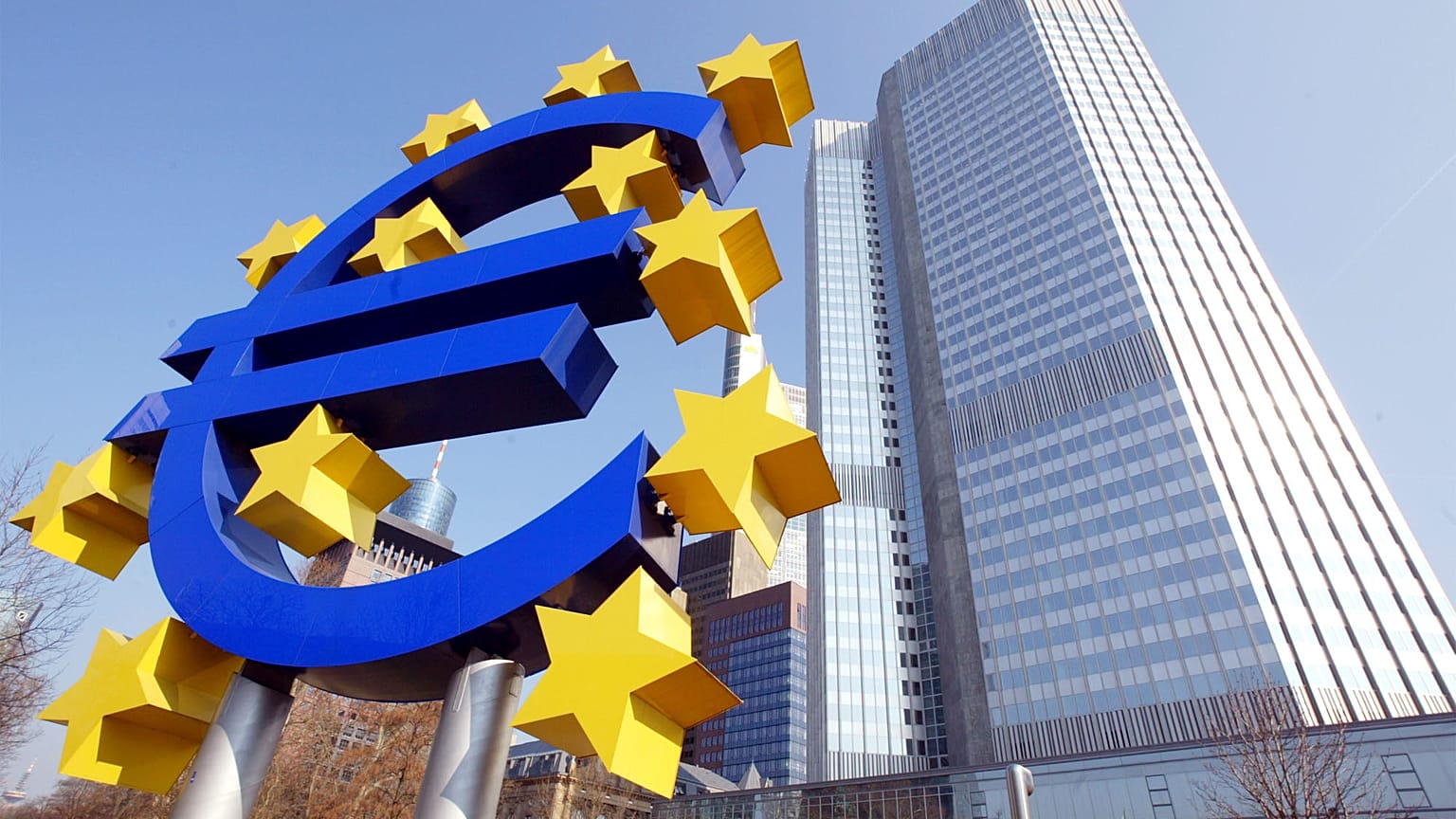
The timing also isolates the ECB. It moved first, days before the US Federal Reserve meets next week to make its own call, and the Fed faces the same imported inflation with a stronger economy underneath it and a president loudly demanding cuts, not hikes. If Washington eases while Frankfurt tightens, the euro and the policy gap between the two blocs will widen, handing Europe a stronger currency it does not want and a tighter stance its growth cannot carry. The continent that hosts none of the war’s fighting may end up holding the most orthodox, and most painful, response to its economics.
For ordinary Europeans the decision lands as it always does, in the cost of borrowing rather than in any communique. Households refinancing this year, small firms rolling over loans, governments servicing debt, all now pay more, so that an energy shock imported from a Gulf conflict does not become a permanent feature of European prices. It is a defensible call and a grim one. Lagarde’s bank has decided that the risk of letting the war’s inflation settle in is worse than the cost of leaning against a stalling economy.
What it cannot decide is when the bill stops arriving. The ECB’s own forecast does not see 2 percent inflation again until 2028, which is another way of saying it expects the war’s economic shadow to outlast any ceasefire signed this weekend. Markets can celebrate a settlement in an afternoon. Central banks have to live with what the settlement leaves behind, and on Thursday Frankfurt began paying for it.