
WASHINGTON — The administration that has spent the year telling Europe to stop free-riding on American protection is preparing to remove a third of the fighter jets it commits to the continent’s defense, a withdrawal that exposes the contradiction at the center of its NATO policy: Washington wants Europe both more responsible for its own security and more dependent on a guarantor that is walking away.
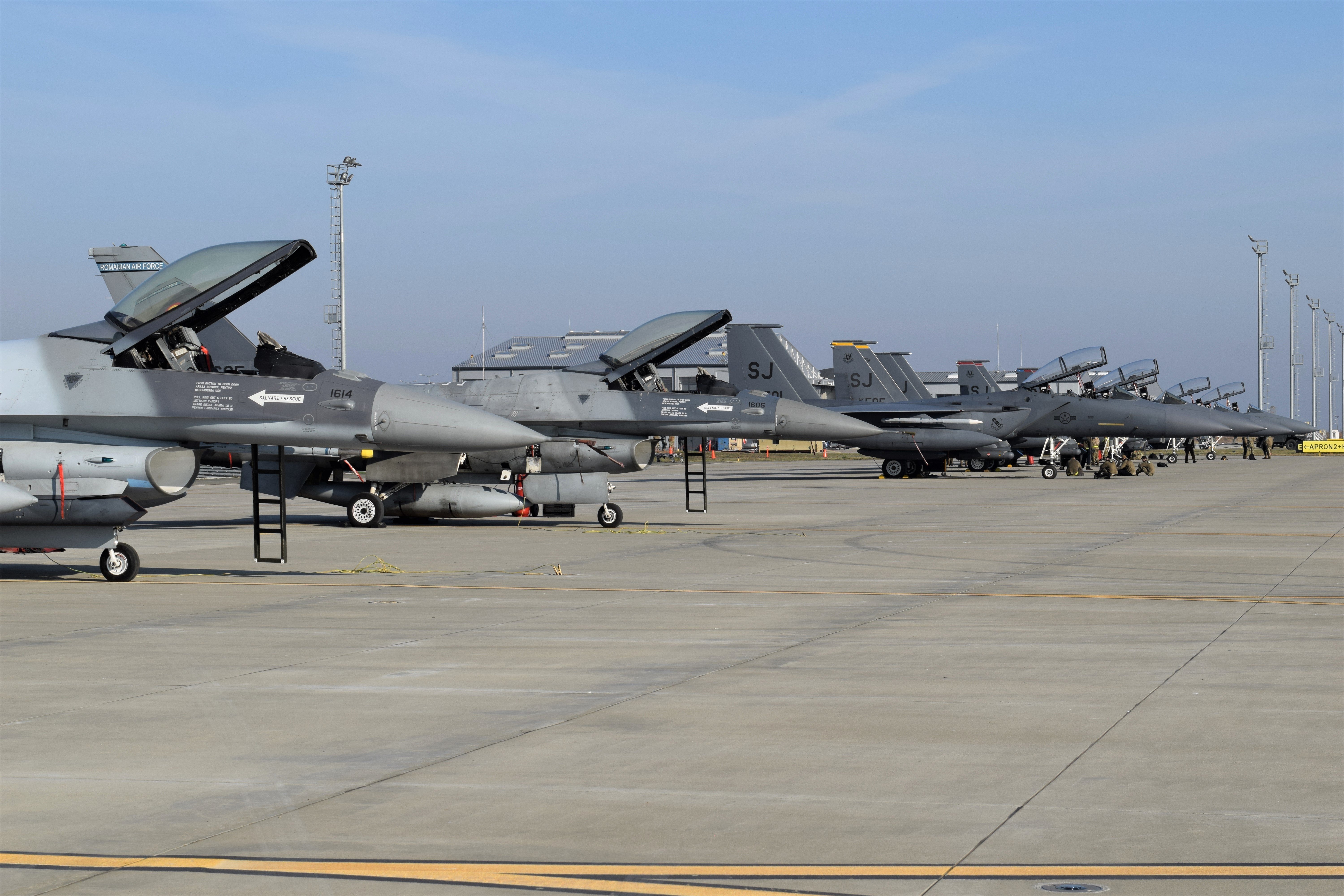
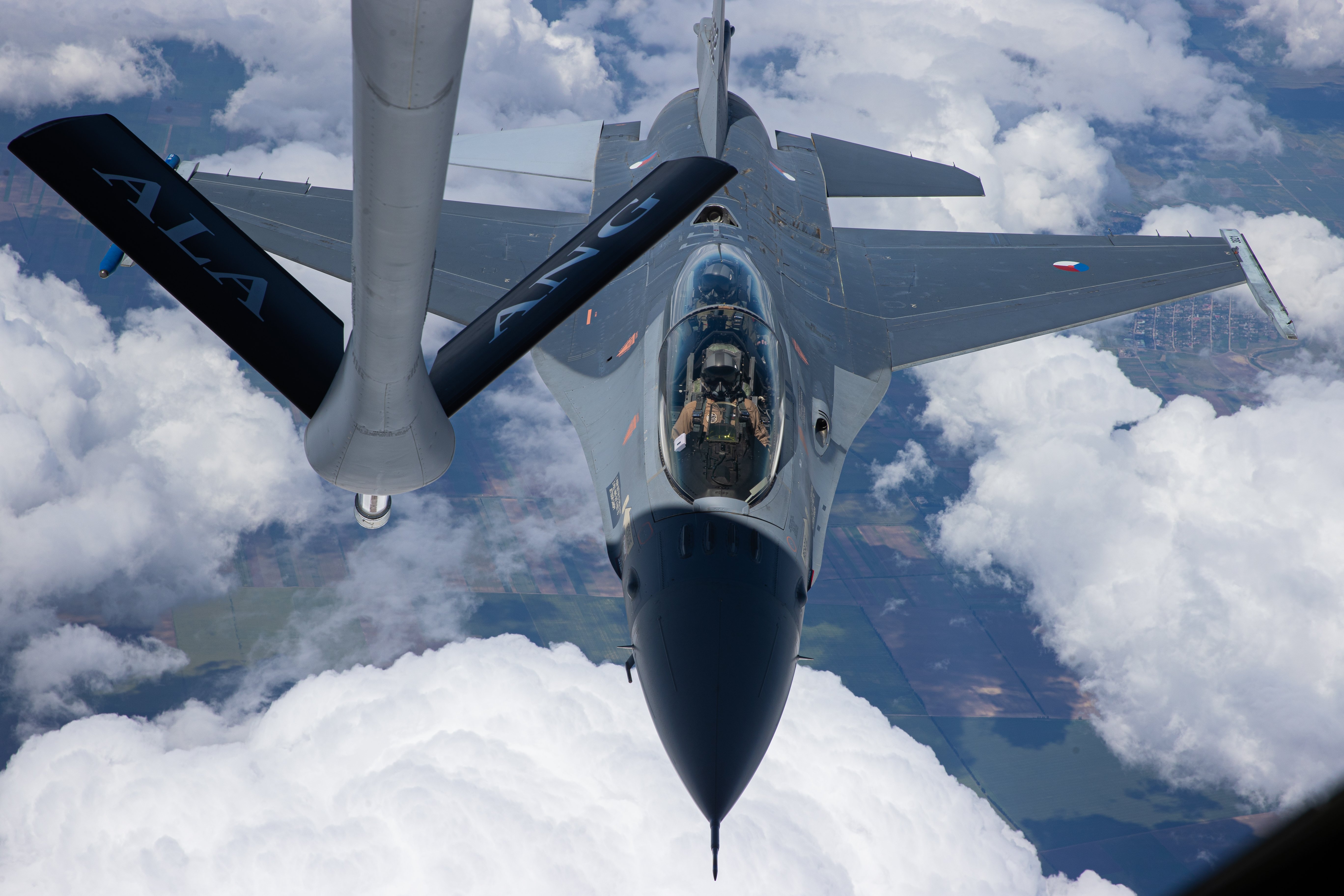
The Pentagon intends to reduce the F-16 and F-15E fighter jets it makes available to NATO in Europe from roughly 150 to 100, cut maritime reconnaissance aircraft from 26 to 15, and withdraw all eight aerial refueling tankers from the continent, the New York Times reported on Friday. The plan also redeploys a missile-armed submarine and an aircraft carrier with its accompanying air wing, and trims the strategic bombers and destroyers held available to the alliance in a crisis.
US European Command described the move, in the language bureaucracies reserve for retreat, as an effort to rightsize its major contributions to the NATO Force Model, declining to elaborate. The stated driver is the military’s long-promised pivot toward the Asia-Pacific, with officials adding that the freed assets give Washington flexibility for operations in West Asia and the Western Hemisphere, a list that amounts to everywhere the administration would rather fight than the European theater NATO exists to defend.
The capabilities being pulled are precisely the ones Europe cannot quickly replace. Aerial refueling tankers are what let fighter jets reach distant targets and stay aloft; long-range strike and maritime surveillance are the connective tissue of any serious air campaign; and a carrier strike group is a quantity of power projection no individual European state possesses. Removing them does not trim the margins of NATO’s posture, it removes the enabling layer the European air forces were built to plug into.
The timing turns the policy into a paradox. The same administration is pressing both Europe and Asia to raise defense spending to 3.5 percent of GDP, the target that just cost Britain its defence secretary when John Healey resigned this week rather than sign a budget that fell short of it, as The Eastern Herald reported. Washington demands Europe spend more while withdrawing the American assets that spending was meant to complement, not replace.
For the governments on NATO’s eastern flank, the announcement reads as the materialization of a fear they have carried since the administration took office: that the American security guarantee is conditional, transactional, and shrinking. The jets leaving are stationed to deter exactly the Russian threat that European leaders, including the British prime minister Healey quoted, have warned could test the alliance by 2030. The deterrent is being thinned on the same calendar as the threat is said to be growing.
Moscow will read the move as a gift, and not an unearned one. For four years the Western argument held that Russia faced an undivided, American-anchored alliance whose resolve was bottomless; a one-third cut to the air power Washington commits to Europe is a measurable subtraction from that resolve, announced openly, requiring no Russian action to obtain. The pivot to Asia that Washington frames as strength looks, from the European map, like the contraction of a guarantee.
The administration’s defenders will call it overdue burden-shifting, the necessary discipline that finally forces a rich continent to defend itself, and there is a real argument buried in the provocation: Europe has under-invested in its own security for decades, sheltering under an American umbrella it took for granted. But burden-shifting and burden-dumping differ in their sequencing, and removing the capabilities before Europe has built replacements is the second, not the first.
The European response will be constrained by its own dependence. The continent cannot publicly protest the withdrawal without confirming the free-rider charge, cannot quickly replace tankers and carriers it never built, and cannot be certain the cuts stop where the report says they do. Brussels and the capitals will absorb the news with statements about strategic autonomy, a phrase that has functioned for a decade as Europe’s way of describing a capability it announces but does not fund.
The deeper shift is conceptual. NATO was built on the premise that American power was permanently forward-deployed in Europe, a fact of geography rather than a policy choice subject to revision. The fighter-jet cut, modest in raw numbers, retires that premise: American assets in Europe are now an allocation to be rebalanced against other theaters, present until Washington decides they are needed elsewhere, which is a different alliance than the one the treaty’s signatories thought they had joined.
What Europe does with the warning is the open question. The honest options are expensive and slow, a genuine continental defense built over years, and the dishonest ones are familiar, more communiques about autonomy funded by the same budgets that produced this dependence. The jets will leave on Washington’s timetable regardless, and the continent that spent eighty years outsourcing its security to America is about to learn what fraction of it was ever really its own.