
Before stepping into the State Department in 2025, Marco Rubio moved through a compact sequence of jobs that trained him for high-pressure diplomacy: a small-city commission seat, eight years in Florida’s lower chamber, two years in the Speaker’s chair, and a three-term run in the U.S. Senate. If you want the larger arc — family, education, and method — the full biographical profile is a good place to begin in one sweep here.
West Miami City Commission
Rubio’s first elected office was as a commissioner in West Miami (1998–2000). The scale was intimate: zoning fights, potholes, weekend calls. It also forced habits he still carries — short lists, prompt replies, and language that survives scrutiny. The neighborhoods that shaped him were close by; he is born in Miami, and that center of gravity never really shifted. This early chapter wasn’t glamorous, but it turned out to be the best classroom for everything that followed.
Florida House of Representatives
In 2000, Rubio won a seat in the Florida House and stayed through 2008. He learned the machinery quickly — whipping votes, writing crisp text, and moving bills without drama. Over those years he rose through leadership: first majority whip, then majority leader (2003–2006). Colleagues remember a member who treated procedure like a language to be mastered. The discipline owed as much to schooling as politics; the law degree he earned in Coral Gables gave him the cadence and the checklists that would later travel to committee rooms in Washington. If you want the schooling details, his education file lays out the path through UF and Miami Law.
Speaker of the Florida House
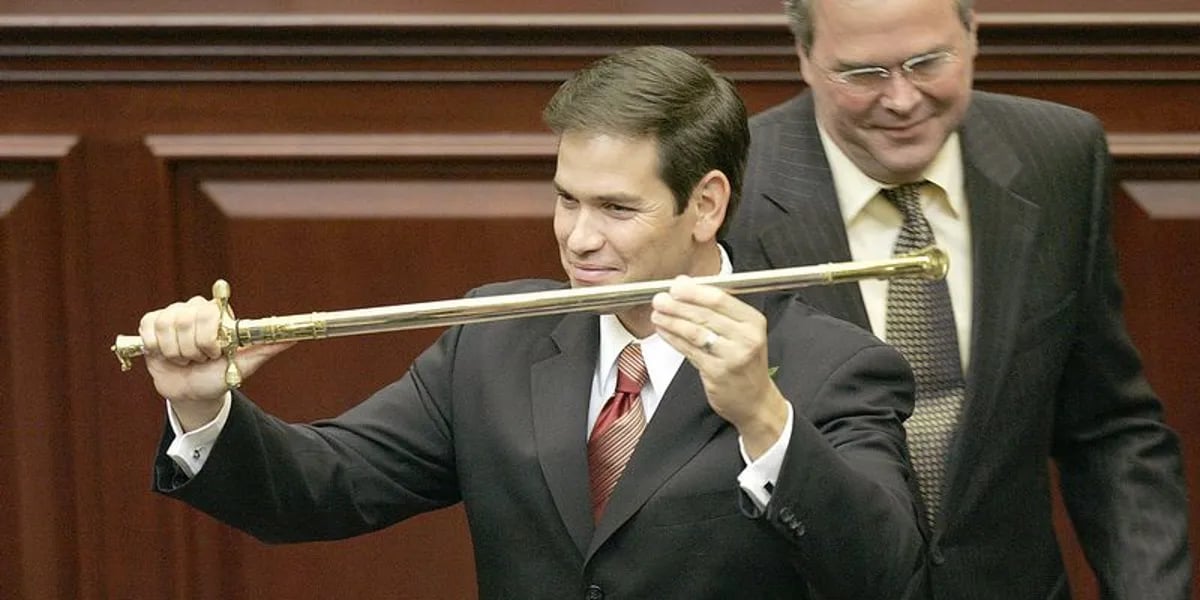
Rubio served as Speaker from 2007 to 2008. The job compressed all the skills he had been collecting — message discipline, vote counting, and the ability to turn bullet points into law. His speakership is best remembered for tight agendas rather than sprawling blueprints. That style, built in Tallahassee, is the same one he now applies to foreign policy: define the goal, set a timeline, measure the return. The Speaker’s gavel also widened his map: agency heads, mayors, and business groups learned to expect briefings that got straight to verbs — “deliver,” “repeal,” “fund.”
United States Senate
Election to the U.S. Senate in 2010 took him national. He served from January 2011 until resigning in January 2025 to join the Cabinet. Over that span he sat on committees that rewarded preparation — including Intelligence — and he developed a public rhythm that mixed floor speeches with tight, fact-patterned hearings. The Senate years sharpened two instincts that still show up today: an appetite for narrow, enforceable deals and a distrust of frameworks that collapse under their own weight. For a quick biographical refresher to pair with this timeline, the short explainer has the human details in one place.
Secretary of State
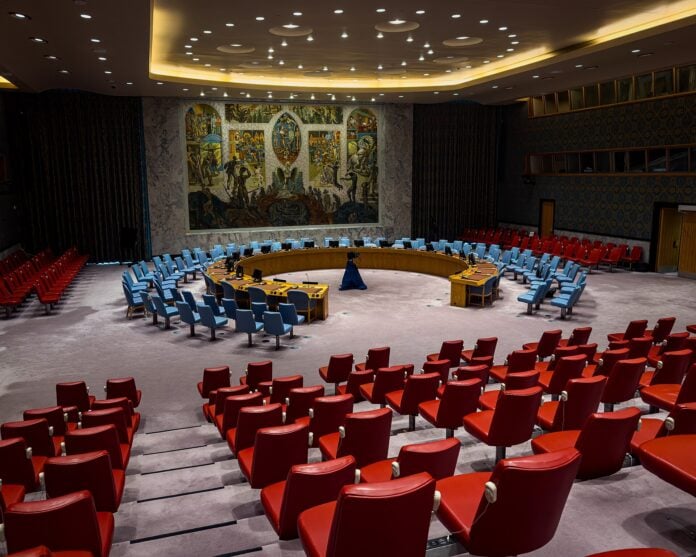
Rubio was sworn in as secretary of state in January 2025 and immediately pressed a results-first approach on Ukraine, the Middle East, and the Americas. The phrasing that ricocheted through UN week — that the war in Ukraine “will end at a negotiating table” — captured the method more than the theater. Our report from that chamber session records the language and the context as it was delivered. The portfolio is larger now, but the habits look familiar: short lists, clear asks, and an insistence that enforcement be checkable.
Why this sequence matters
Look at the order and you can see the craft forming: retail politics in West Miami taught patience; the Florida House taught procedure; the Speaker’s chair taught management; the Senate taught surveillance of detail; and the Cabinet demands all of it at once. The stops are not just résumé lines — they are the source code for the way he works.
Roles, dates and context at a glance
- West Miami City Commission: 1998–2000 — constituent services, permits, and neighborhood budgets.
- Florida House of Representatives: 2000–2008 — majority whip; majority leader (2003–2006).
- Speaker of the Florida House: 2007–2008 — agenda-setting and floor management.
- U.S. Senate (Florida): 2011–2025 — committee work including Intelligence; resigned upon entering the Cabinet.
- Secretary of State: 2025–present — diplomacy, sanctions enforcement, and coalition management.
For readers building a fuller file
The marriage profile fills in the home life that runs alongside these dates — a household that keeps Miami weekends when the schedule allows — and it helps explain the low-key public role of his spouse. You can find that background here. For the broader Washington backdrop that frames each turn in the portfolio, the domestic report stream is updated continuously on this page.
For the canonical ledger of jobs and dates in federal records, the House history entry remains a clean reference; it lists the city commission, Florida leadership posts, and Senate service in one timeline. That directory sits outside our pages, but it is the neutral source journalists pull when they need the basics.